


 Gàidhlig na h-Alba
 Afraganach
 Albànianach
 Amharic
 Arabach
 Armenianach
 Azerbaijani
 Basgach
 Belarusianach
 Bengàlach
 Bosnianach
 Bulgàrianach
 Catalanach
 Cebuano
 Corsicanach
 Croatianach
 Seacach
 Dànach
 Duitseach
 Sasannach
 Esperanto
 Estòinianach
 Fionnlaineach
 Frangach
 Frisianach
 Galicianach
 Georgianach
 Gearmailteach
 Grèigeach
 Gujarati
 Haitian Creole
 Hausa
Hausa
 Hawaiianach
 Eabhrach
 Chan eil
 Miao
Miao
 Hungàrianach
 Innis Tìleach
 igbo
igbo
 And-Innseach
 Èireannach
 Eadailteach
 Iapanach
 Iabhaininnseach
 Kannada
 Kasakh
 Ciméireach
 Ruanda
 Corèanach
 Curdach
 Kyrgyz
 TBh
TBh
 Laidinn
 Latbhianach
 Lithuanianach
 Luxembourgach
 Macedonianach
 Malgashi
 Malaidheach
 Malayalamach
 Malteseach
 Maori
Maori
 Marathiach
 Mongolianach
 Myanmar
 Nepalach
 Lochlannach
 Lochlannach
 Occitan
 Pashto
 Persianach
 Pòlainneach
 Portugalach
 Punjabi
 Romànianach
 Ruiseanach
 Samoan
 Serbianach
 Sasannach
 Shona
Shona
 Sindeach
 Sinhala
 Slovacanach
 Slobhenianach
 Somali
 Spàinneach
 Sundais
 Swahilieach
 Suaineach
 Tagalogach
 Tajik
Tajik
 Tamileach
 Tatarais
 Telugach
 Thaidheach
 Turcach
 Turkmen
 Ucràinis
 Urdu
Urdu
 Uighur
 Uzbek
Uzbek
 Bhietnam
 Cuimris
 Cuideachadh
 Giúdais
 Ioruba
 Zulu
Zulu


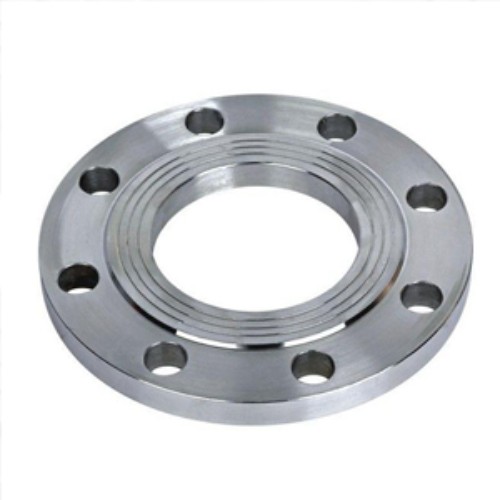
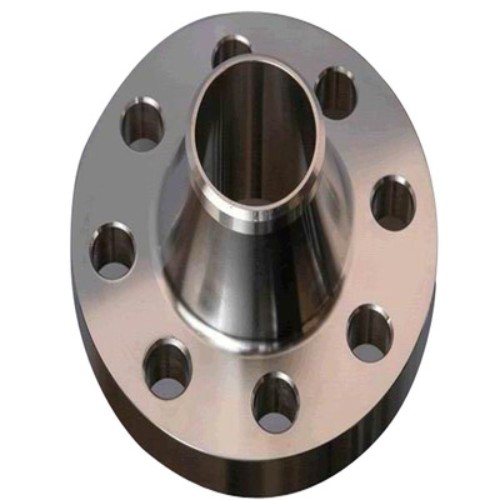
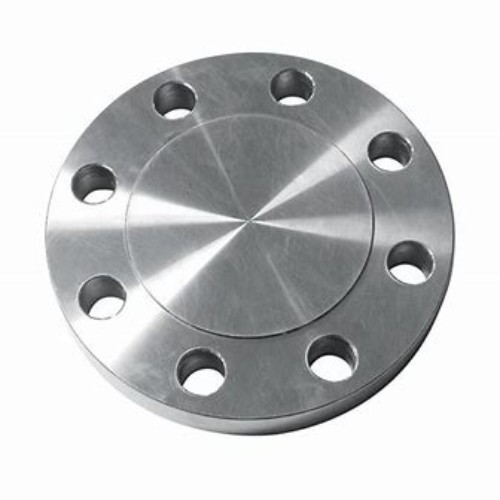
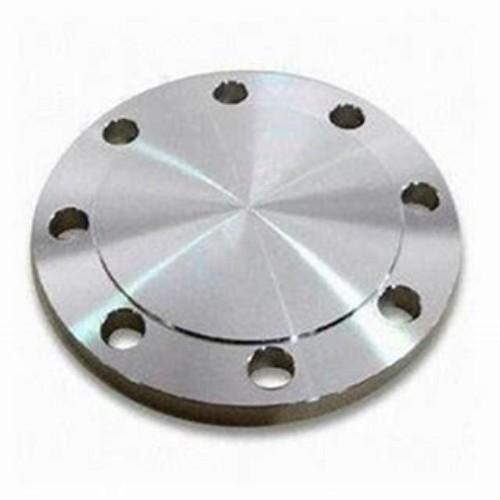
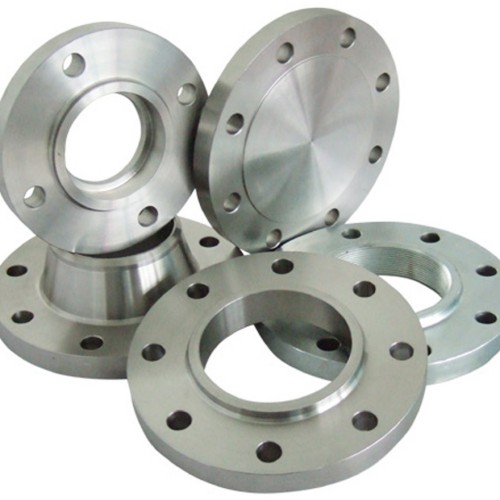
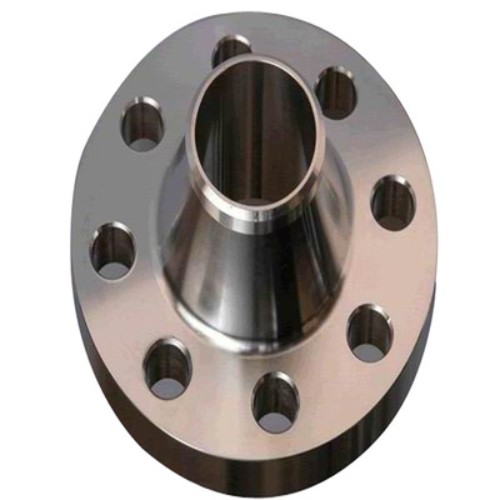
Flanges are important components for connecting pipes, valves, equipment and accessories to achieve safe and reliable connections. Flanges can be divided into various types according to different standards and uses. Common flange types include weld neck flanges, blind flanges, flange-to-flanges, sliding flanges, and threaded flanges. Welded neck flanges are suitable for high pressure and high temperature environments and are connected to pipes by welding to provide a stable connection. Blind flanges are used to close the ends of pipes to facilitate maintenance and inspection. Flange-to-flange is typically used to connect two pipes, while sliding flange allows the flange to slide over the pipe for easy installation and adjustment. Threaded flanges are suitable for low pressure environments and are threaded to pipes. Selecting the appropriate flange type depends on the pressure, temperature, media and installation requirements of the piping system. Proper selection and installation of flanges ensures safe operation and sealed connections in piping systems.
What Are The Types Of Flanges?
The types of flanges commonly used in piping systems include:
1. Weld Neck Flange: This type of flange is designed with a long, tapered hub that provides an ideal connection for high-pressure applications. The neck of the flange is welded to the pipe, offering strength and support at the joint.
2. Slip-On Flange: Slip-on flanges are easy to align and are used in low-pressure applications. They are slipped over the pipe and then welded both inside and outside to provide strength and prevent leakage.
3. Blind Flange: Blind flanges are solid disks used to block off a pipeline or to create a stop. They are commonly used for pressure testing the flow of gas or liquid through a pipeline.
4. Threaded Flange: Threaded flanges are used in low-pressure applications and are connected to the pipe with threads, providing a strong and reliable connection.
5. Lap Joint Flange: Lap joint flanges are used with a stub end or taft, which is welded to the pipe. The flange then slides over the pipe and is free to rotate around the stub end, allowing for easy alignment of bolt holes.
6. Socket Weld Flange: Socket weld flanges are used for high-pressure applications and are connected to the pipe by inserting the pipe into the socket end and then applying fillet weld around the top.
Each type of flange has specific characteristics and is suitable for different applications based on factors such as pressure, temperature, and the nature of the fluid being transported. Proper selection of flange type is crucial to ensure the integrity and safety of the piping system.












































































