


 Gàidhlig na h-Alba
 Afraganach
 Albànianach
 Amharic
 Arabach
 Armenianach
 Azerbaijani
 Basgach
 Belarusianach
 Bengàlach
 Bosnianach
 Bulgàrianach
 Catalanach
 Cebuano
 Corsicanach
 Croatianach
 Seacach
 Dànach
 Duitseach
 Sasannach
 Esperanto
 Estòinianach
 Fionnlaineach
 Frangach
 Frisianach
 Galicianach
 Georgianach
 Gearmailteach
 Grèigeach
 Gujarati
 Haitian Creole
 Hausa
Hausa
 Hawaiianach
 Eabhrach
 Chan eil
 Miao
Miao
 Hungàrianach
 Innis Tìleach
 igbo
igbo
 And-Innseach
 Èireannach
 Eadailteach
 Iapanach
 Iabhaininnseach
 Kannada
 Kasakh
 Ciméireach
 Ruanda
 Corèanach
 Curdach
 Kyrgyz
 TBh
TBh
 Laidinn
 Latbhianach
 Lithuanianach
 Luxembourgach
 Macedonianach
 Malgashi
 Malaidheach
 Malayalamach
 Malteseach
 Maori
Maori
 Marathiach
 Mongolianach
 Myanmar
 Nepalach
 Lochlannach
 Lochlannach
 Occitan
 Pashto
 Persianach
 Pòlainneach
 Portugalach
 Punjabi
 Romànianach
 Ruiseanach
 Samoan
 Serbianach
 Sasannach
 Shona
Shona
 Sindeach
 Sinhala
 Slovacanach
 Slobhenianach
 Somali
 Spàinneach
 Sundais
 Swahilieach
 Suaineach
 Tagalogach
 Tajik
Tajik
 Tamileach
 Tatarais
 Telugach
 Thaidheach
 Turcach
 Turkmen
 Ucràinis
 Urdu
Urdu
 Uighur
 Uzbek
Uzbek
 Bhietnam
 Cuimris
 Cuideachadh
 Giúdais
 Ioruba
 Zulu
Zulu


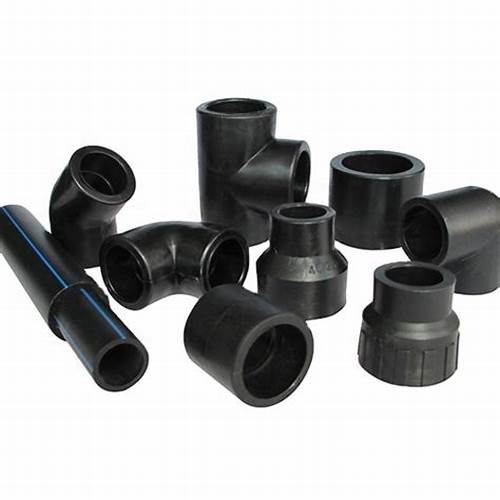
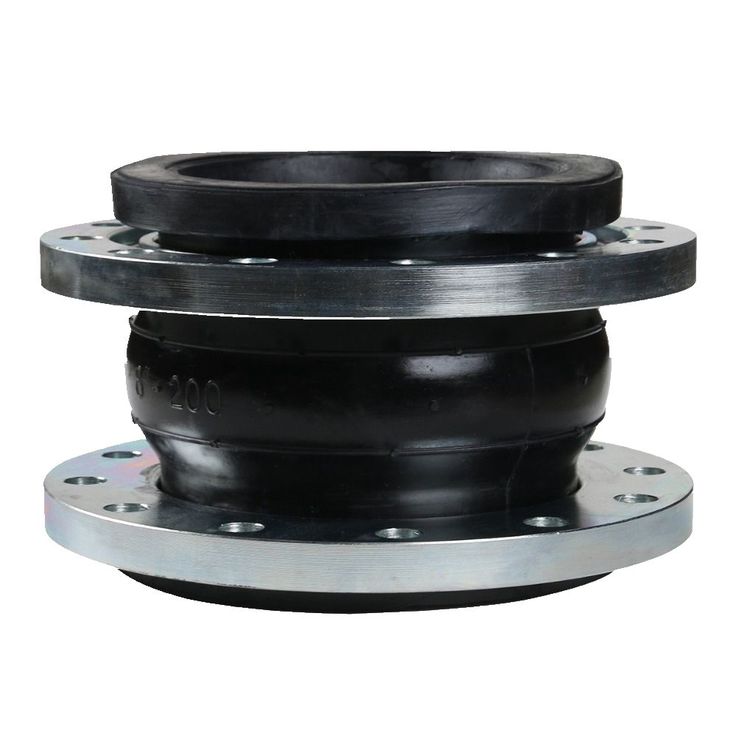
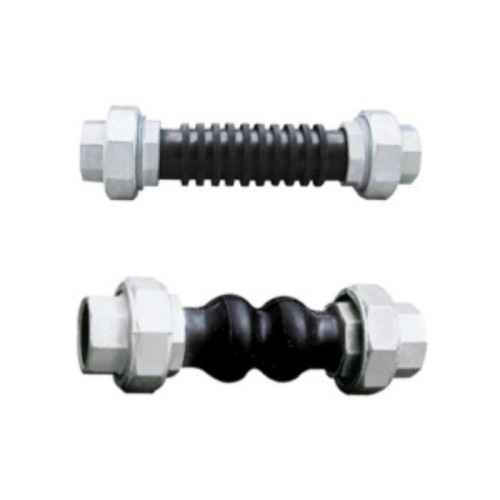
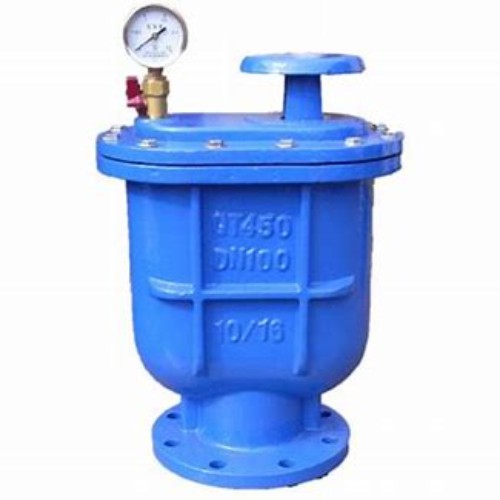
Pipe and pipe fittings are essential components in fluid conveyance systems, serving to transport liquids, gases, and solids in various industrial and commercial applications. Pipes are typically categorized based on their material composition, such as steel, copper, PVC, or other alloys, and are available in different sizes and pressure ratings to accommodate diverse operational requirements. Common types of pipes include seamless pipes, welded pipes, and ductile iron pipes, each offering specific advantages in terms of strength, corrosion resistance, and cost-effectiveness.Pipe fittings, on the other hand, are used to connect, control, and redirect the flow of fluids within the piping system. They come in a wide range of shapes, sizes, and materials to facilitate diverse functions, including elbows, tees, reducers, couplings, and valves. These fittings are crucial for ensuring proper alignment, sealing, and flow control within the piping network, and they are often designed to withstand high pressures, extreme temperatures, and corrosive environments.The selection of pipes and fittings depends on factors such as the nature of the conveyed fluid, operating conditions, system design, and regulatory requirements. Proper installation and maintenance of pipes and fittings are essential to ensure the integrity and efficiency of the fluid conveyance system.

What Is The Difference Between A Pipe And A Fitting?
The main difference between a pipe and a fitting lies in their respective functions within a fluid conveyance system. A pipe is a tubular structure used to transport fluids, gases, or solids from one point to another. It serves as the main conduit for the flow of the substance and is available in various materials, sizes, and pressure ratings to accommodate different operational requirements. Pipes are typically designed to withstand the pressure, temperature, and corrosive nature of the conveyed substance.
On the other hand, a fitting is a component used to connect, control, or adapt the flow within the piping system. Fittings come in a variety of shapes, sizes, and materials and are essential for joining pipes together, changing the direction of flow, regulating the flow rate, or terminating the pipe run. Common types of fittings include elbows, tees, reducers, couplings, and valves, each serving a specific purpose in the fluid conveyance system.In summary, while pipes serve as the primary channels for fluid transport, fittings are auxiliary components that facilitate the proper alignment, connection, and control of the flow within the piping network. Both pipes and fittings are integral to the efficient and safe operation of fluid conveyance systems, and their selection and installation are crucial for ensuring system integrity and performance.












































































