


 پښتو
پښتو
 افریقی
 البانیایی
 امهاریک
 عربي
عربي
 ارمانیایی
 اذربایجان
 باسک
باسک
 بلاروسي
 بنګالي
 بوسنیایی
 بلغاریه ایی
 کتالین
 سیبوانو
 کورسیکن
 کرواسین
 چکسلواکي
 دنمارکي
 الماني
 انګلیسي
 ایسپیرینټو
 ایستونین
 فنلینډي
 فرانسوي
 فریزین
 ګالیسي
 ګرجستاني
 جرمني
جرمني
 یوناني
 ګجراتي
 هیتیان کریول
 هوسا
هوسا
 هوایی
هوایی
 عبري
عبري
 نه
نه
 مياو
مياو
 هنګري
هنګري
 ایلینډیک
 igbo
igbo
 انډونیزین
 ایرلینډي
 ایټالیوي
 جاپاني
 جاوه ای
 کناډا
کناډا
 قزاقي
قزاقي
 خمیر
خمیر
 روانډا
 کوریایی
 کرد
کرد
 قرغیزي
 TB
TB
 لاتین
لاتین
 لیتوین
 لیتوانیایی
 لوګزامبورګي
 مقدوني
 ملګاشي
 مالایا
 ملایلم
 مالتیس
 ماوري
ماوري
 مراټي
مراټي
 مغولي
مغولي
 میانمار
 نیپالي
 نارویژي
 نارویژي
 اوکیتین
 فارسي
فارسي
 پولیش
پولیش
 پورتګالي
 پنجابي
 رومانیایی
 روسي
روسي
 سامون
سامون
 سکاټلینډي ګیلیک
 صربي
صربي
 انګلیسي
 شونا
شونا
 سندي
سندي
 سنګال
سنګال
 سلواکي
 سلوانیایی
 سومالیایی
 هسپانیه ایی
 سنډانیز
 سواحلي
 سویډیش یا سویډني
 تګالوګ
 تاجک
تاجک
 تامیل
تامیل
 تاتار
تاتار
 تولیګو
 تای
تای
 ترکي
ترکي
 ترکمني
 اوکرایني
 اردو
اردو
 اویغور
 ازبکي
ازبکي
 ویتنامي
 ولش
ولش
 مرسته
مرسته
 یدیش
یدیش
 یوروبا
 زولو
زولو


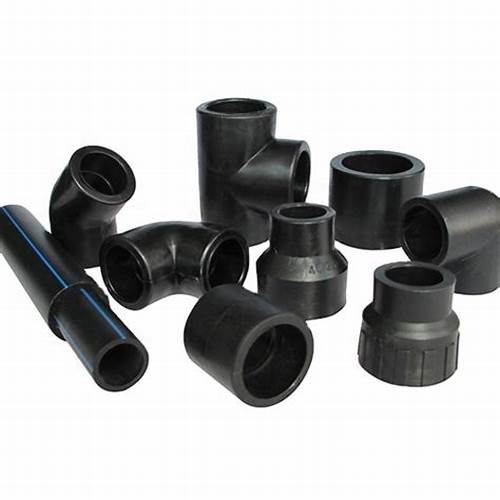
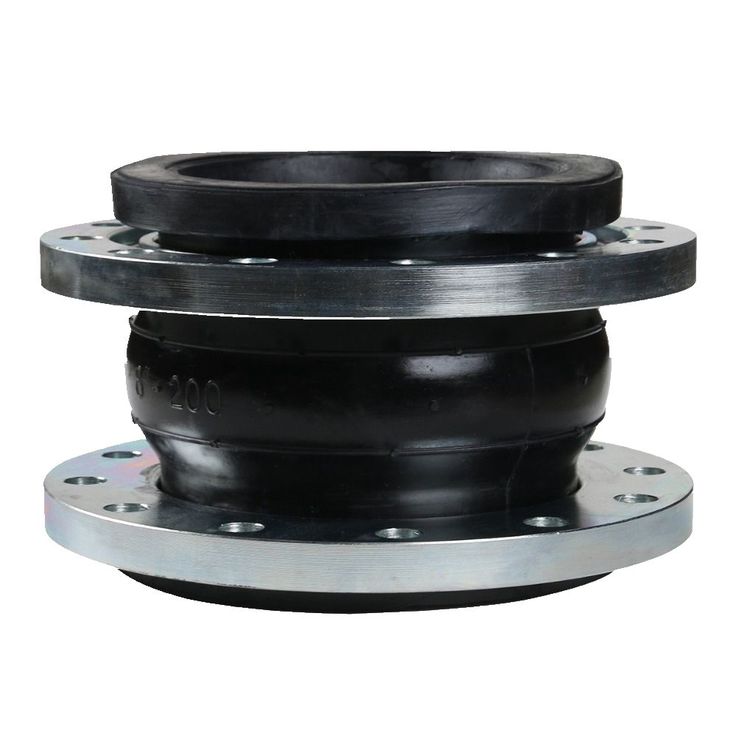
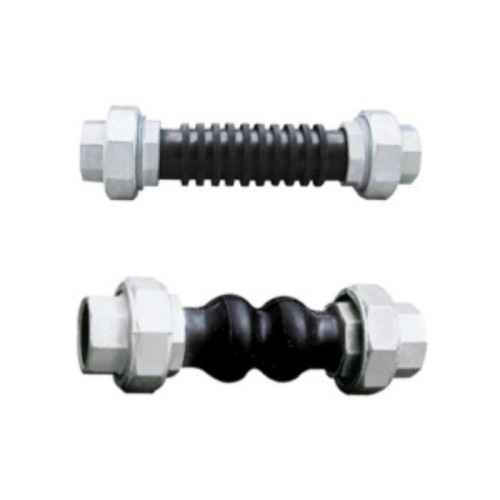
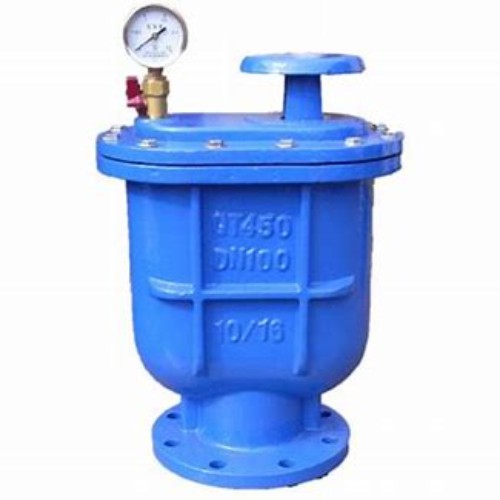
Pipe and pipe fittings are essential components in fluid conveyance systems, serving to transport liquids, gases, and solids in various industrial and commercial applications. Pipes are typically categorized based on their material composition, such as steel, copper, PVC, or other alloys, and are available in different sizes and pressure ratings to accommodate diverse operational requirements. Common types of pipes include seamless pipes, welded pipes, and ductile iron pipes, each offering specific advantages in terms of strength, corrosion resistance, and cost-effectiveness.Pipe fittings, on the other hand, are used to connect, control, and redirect the flow of fluids within the piping system. They come in a wide range of shapes, sizes, and materials to facilitate diverse functions, including elbows, tees, reducers, couplings, and valves. These fittings are crucial for ensuring proper alignment, sealing, and flow control within the piping network, and they are often designed to withstand high pressures, extreme temperatures, and corrosive environments.The selection of pipes and fittings depends on factors such as the nature of the conveyed fluid, operating conditions, system design, and regulatory requirements. Proper installation and maintenance of pipes and fittings are essential to ensure the integrity and efficiency of the fluid conveyance system.

What Is The Difference Between A Pipe And A Fitting?
The main difference between a pipe and a fitting lies in their respective functions within a fluid conveyance system. A pipe is a tubular structure used to transport fluids, gases, or solids from one point to another. It serves as the main conduit for the flow of the substance and is available in various materials, sizes, and pressure ratings to accommodate different operational requirements. Pipes are typically designed to withstand the pressure, temperature, and corrosive nature of the conveyed substance.
On the other hand, a fitting is a component used to connect, control, or adapt the flow within the piping system. Fittings come in a variety of shapes, sizes, and materials and are essential for joining pipes together, changing the direction of flow, regulating the flow rate, or terminating the pipe run. Common types of fittings include elbows, tees, reducers, couplings, and valves, each serving a specific purpose in the fluid conveyance system.In summary, while pipes serve as the primary channels for fluid transport, fittings are auxiliary components that facilitate the proper alignment, connection, and control of the flow within the piping network. Both pipes and fittings are integral to the efficient and safe operation of fluid conveyance systems, and their selection and installation are crucial for ensuring system integrity and performance.












































































