


 پښتو
پښتو
 افریقی
 البانیایی
 امهاریک
 عربي
عربي
 ارمانیایی
 اذربایجان
 باسک
باسک
 بلاروسي
 بنګالي
 بوسنیایی
 بلغاریه ایی
 کتالین
 سیبوانو
 کورسیکن
 کرواسین
 چکسلواکي
 دنمارکي
 الماني
 انګلیسي
 ایسپیرینټو
 ایستونین
 فنلینډي
 فرانسوي
 فریزین
 ګالیسي
 ګرجستاني
 جرمني
جرمني
 یوناني
 ګجراتي
 هیتیان کریول
 هوسا
هوسا
 هوایی
هوایی
 عبري
عبري
 نه
نه
 مياو
مياو
 هنګري
هنګري
 ایلینډیک
 igbo
igbo
 انډونیزین
 ایرلینډي
 ایټالیوي
 جاپاني
 جاوه ای
 کناډا
کناډا
 قزاقي
قزاقي
 خمیر
خمیر
 روانډا
 کوریایی
 کرد
کرد
 قرغیزي
 TB
TB
 لاتین
لاتین
 لیتوین
 لیتوانیایی
 لوګزامبورګي
 مقدوني
 ملګاشي
 مالایا
 ملایلم
 مالتیس
 ماوري
ماوري
 مراټي
مراټي
 مغولي
مغولي
 میانمار
 نیپالي
 نارویژي
 نارویژي
 اوکیتین
 فارسي
فارسي
 پولیش
پولیش
 پورتګالي
 پنجابي
 رومانیایی
 روسي
روسي
 سامون
سامون
 سکاټلینډي ګیلیک
 صربي
صربي
 انګلیسي
 شونا
شونا
 سندي
سندي
 سنګال
سنګال
 سلواکي
 سلوانیایی
 سومالیایی
 هسپانیه ایی
 سنډانیز
 سواحلي
 سویډیش یا سویډني
 تګالوګ
 تاجک
تاجک
 تامیل
تامیل
 تاتار
تاتار
 تولیګو
 تای
تای
 ترکي
ترکي
 ترکمني
 اوکرایني
 اردو
اردو
 اویغور
 ازبکي
ازبکي
 ویتنامي
 ولش
ولش
 مرسته
مرسته
 یدیش
یدیش
 یوروبا
 زولو
زولو


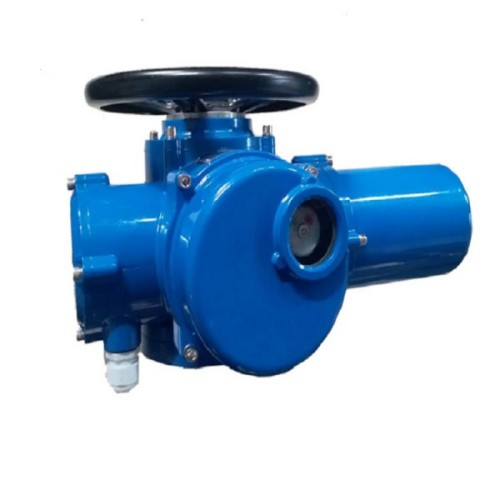
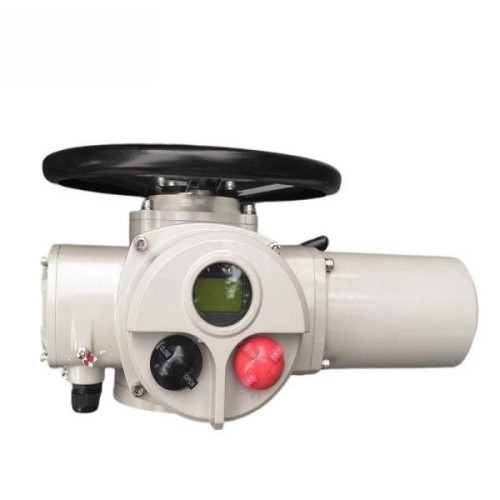
Electric actuators are devices used to control the operation of valves, dampers, and other mechanical systems by converting electrical energy into mechanical motion. They can be classified into several types based on their design, functionality, and application:
1. Multi-Turn Electric Actuators: These actuators are designed to provide rotational movement over multiple turns, making them suitable for applications that require precise and continuous positioning, such as gate valves and globe valves. They are often used in industrial settings where accurate control of fluid flow is essential.
2. Quarter-Turn Electric Actuators: Quarter-turn actuators are designed to provide rotational movement over a 90-degree angle, making them ideal for applications that require on/off or modulating control, such as ball valves and butterfly valves. They are commonly used in various industries for quick and efficient valve operation.
3. Electric Actuator with Fail-Safe Function: Some electric actuators are equipped with fail-safe features, such as spring-return mechanisms or battery backup, to ensure that the valve or damper returns to a safe position in the event of a power failure or system malfunction.
Electric actuators play a critical role in automating and controlling various industrial processes, and the selection of the appropriate type depends on factors such as the valve or damper application, torque or thrust requirements, control system compatibility, and safety considerations. Proper installation and maintenance of electric actuators are essential to ensure reliable and efficient operation within the mechanical system.
What Is An Actuator Used For?
Actuator is used to convert energy into mechanical motion, allowing it to control the operation of various mechanical systems. Actuators are commonly employed to automate the movement of valves, dampers, and other equipment in industrial, commercial, and residential settings. They play a crucial role in regulating the flow of fluids, gases, and other substances within piping systems, as well as in controlling the positioning of mechanical components. Actuators are also utilized in applications such as robotics, manufacturing machinery, HVAC systems, and automotive systems to enable precise and controlled movement. By converting energy into mechanical force, actuators facilitate the efficient operation and automation of a wide range of mechanical processes, contributing to improved system performance, safety, and reliability.












































































