


 ئۇيغۇر
 African
 ئالبانىيە
 Amharic
 ئەرەبچە
 ئەرمىنىيە
 ئەزەربەيجان
 Basque
 بېلورۇسىيە
 Bengali
 Bosnian
 بۇلغارىيە
 Catalan
 Cebuano
 كورسىكان
 كىرودىيە
 چېخ
چېخ
 Danish
 گوللاندىيە
 ئىنگىلىزچە
 Esperanto
 ئېستونىيە
 فىنلاندىيە
 فىرانسۇزچە
 Frisian
 Galician
 گرۇزىيە
 German
 گرېتسىيە
 Gujarati
 ھايتى كرېئول
 hausa
hausa
 hawaiian
 ئىبرانىي تىلى
 ياق
ياق
 Miao
Miao
 ۋېنگرىيە
 ئىسلاندىيە
 igbo
igbo
 ھىندونېزىيە
 irish
irish
 Italian
 ياپون
ياپون
 Javanese
 Kannada
 kazakh
 Khmer
Khmer
 رىۋاندا
 كورېيە
 كۇرد
كۇرد
 قىرغىزىستان
 TB
TB
 لاتىنچە
 Latvian
 لىتۋانىيە
 لىيۇكسېمبۇرگ
 ماكېدونىيە
 Malgashi
 مالايسىيا
 Malayalam
 Maltese
 Maori
Maori
 Marathi
 موڭغۇل
 بېرما
بېرما
 نېپال
نېپال
 نورۋېگچە
 نورۋېگچە
 Occitan
 پۇشتۇ
پۇشتۇ
 پارسچە
 پولشا
پولشا
 پورتۇگال تىلى
 Punjabi
 Romanian
 رۇسچە
رۇسچە
 Samoan
 شوتلاندىيە گال تىلى
 سېربىيە
 ئىنگىلىزچە
 Shona
Shona
 سىندى
سىندى
 Sinhala
 سلوۋاكىيە
 سىلوۋېنىيە
 سومالى
 ئىسپانچە
 Sundanese
 Swahili
 شىۋىتسىيە
 Tagalog
 تاجىك
تاجىك
 تامىل
تامىل
 تاتار
تاتار
 Telugu
 تايلاند
 تۈرك
تۈرك
 تۈركمەنلەر
 ئۇكرائىنا
 ئوردۇچە
 ئۆزبېك
 ۋېيتنام
 Welsh
Welsh
 ياردەم
 Yiddish
 يورۇبا
 Zulu
Zulu


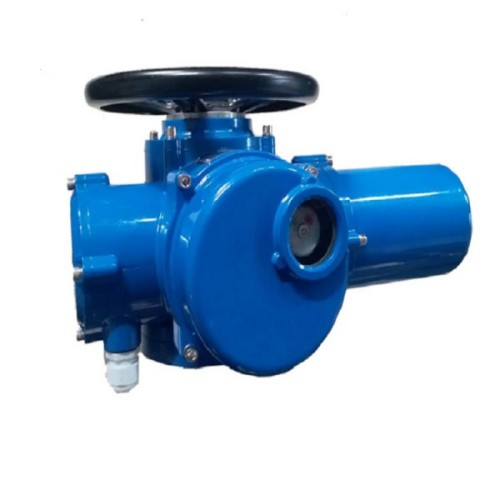
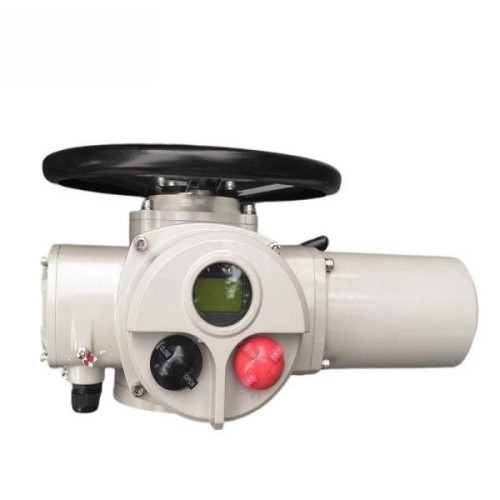
Electric actuators are devices used to control the operation of valves, dampers, and other mechanical systems by converting electrical energy into mechanical motion. They can be classified into several types based on their design, functionality, and application:
1. Multi-Turn Electric Actuators: These actuators are designed to provide rotational movement over multiple turns, making them suitable for applications that require precise and continuous positioning, such as gate valves and globe valves. They are often used in industrial settings where accurate control of fluid flow is essential.
2. Quarter-Turn Electric Actuators: Quarter-turn actuators are designed to provide rotational movement over a 90-degree angle, making them ideal for applications that require on/off or modulating control, such as ball valves and butterfly valves. They are commonly used in various industries for quick and efficient valve operation.
3. Electric Actuator with Fail-Safe Function: Some electric actuators are equipped with fail-safe features, such as spring-return mechanisms or battery backup, to ensure that the valve or damper returns to a safe position in the event of a power failure or system malfunction.
Electric actuators play a critical role in automating and controlling various industrial processes, and the selection of the appropriate type depends on factors such as the valve or damper application, torque or thrust requirements, control system compatibility, and safety considerations. Proper installation and maintenance of electric actuators are essential to ensure reliable and efficient operation within the mechanical system.
What Is An Actuator Used For?
Actuator is used to convert energy into mechanical motion, allowing it to control the operation of various mechanical systems. Actuators are commonly employed to automate the movement of valves, dampers, and other equipment in industrial, commercial, and residential settings. They play a crucial role in regulating the flow of fluids, gases, and other substances within piping systems, as well as in controlling the positioning of mechanical components. Actuators are also utilized in applications such as robotics, manufacturing machinery, HVAC systems, and automotive systems to enable precise and controlled movement. By converting energy into mechanical force, actuators facilitate the efficient operation and automation of a wide range of mechanical processes, contributing to improved system performance, safety, and reliability.












































































