


 Français
 africain
 albanais
 Amharique
 arabe
arabe
 arménien
 azerbaïdjanais
 Basque
 biélorusse
 bengali
 bosniaque
 bulgare
 catalan
 Cebuano
 Corse
Corse
 croate
 tchèque
 danois
 Néerlandais
 Anglais
 espéranto
 estonien
 finlandais
 frison
 Galicien
 géorgien
 Allemand
 grec
grec
 Gujarati
 Créole haïtien
 haoussa
 hawaïen
 hébreu
 Non
Non
 Miao
Miao
 hongrois
 islandais
 igbo
igbo
 indonésien
 irlandais
 italien
 Japonais
 Javanais
 Kannada
 kazakh
 Khmer
Khmer
 Rwandais
 coréen
 kurde
kurde
 Kirghize
 tuberculose
 Latin
Latin
 letton
 lituanien
 luxembourgeois
 Macédonien
 Malgashi
 malais
 Malayalam
 maltais
 Maori
Maori
 Marathi
 mongol
 Birmanie
 Népalais
 norvégien
 norvégien
 Occitan
 pachtou
 persan
 polonais
 Portugais
 Pendjabi
 roumain
 russe
russe
 Samoan
 Gaélique écossais
 serbe
serbe
 Anglais
 Shona
Shona
 Sindhi
 Cinghalais
 slovaque
 slovène
 somali
 Espagnol
 Soundanais
 Swahili
 suédois
 Tagalog
 tadjik
 Tamil
Tamil
 tatar
tatar
 Télougou
 thaïlandais
 turc
turc
 Turkmènes
 ukrainien
 Ourdou
 Ouïghour
 Ouzbek
 vietnamien
 gallois
 Aide
Aide
 yiddish
 Yorouba
 zoulou


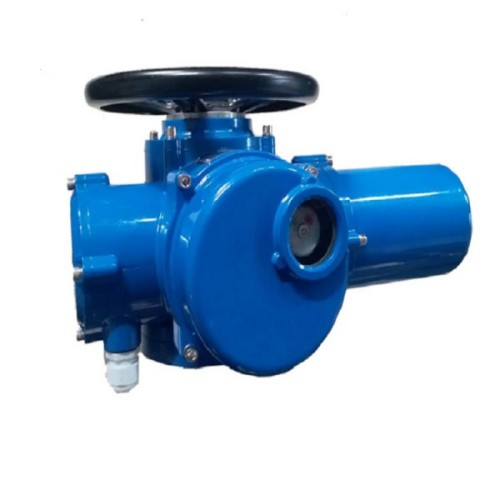
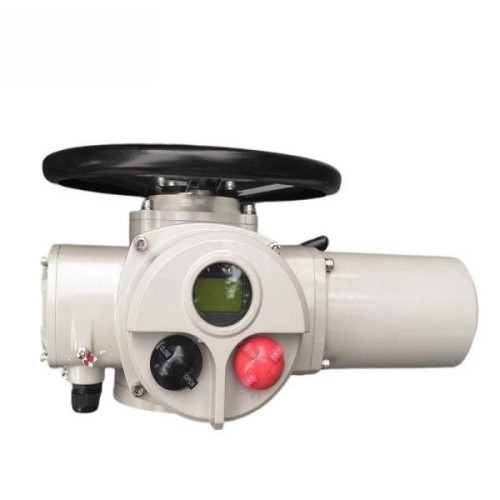
Electric actuators are devices used to control the operation of valves, dampers, and other mechanical systems by converting electrical energy into mechanical motion. They can be classified into several types based on their design, functionality, and application:
1. Multi-Turn Electric Actuators: These actuators are designed to provide rotational movement over multiple turns, making them suitable for applications that require precise and continuous positioning, such as gate valves and globe valves. They are often used in industrial settings where accurate control of fluid flow is essential.
2. Quarter-Turn Electric Actuators: Quarter-turn actuators are designed to provide rotational movement over a 90-degree angle, making them ideal for applications that require on/off or modulating control, such as ball valves and butterfly valves. They are commonly used in various industries for quick and efficient valve operation.
3. Electric Actuator with Fail-Safe Function: Some electric actuators are equipped with fail-safe features, such as spring-return mechanisms or battery backup, to ensure that the valve or damper returns to a safe position in the event of a power failure or system malfunction.
Electric actuators play a critical role in automating and controlling various industrial processes, and the selection of the appropriate type depends on factors such as the valve or damper application, torque or thrust requirements, control system compatibility, and safety considerations. Proper installation and maintenance of electric actuators are essential to ensure reliable and efficient operation within the mechanical system.
What Is An Actuator Used For?
Actuator is used to convert energy into mechanical motion, allowing it to control the operation of various mechanical systems. Actuators are commonly employed to automate the movement of valves, dampers, and other equipment in industrial, commercial, and residential settings. They play a crucial role in regulating the flow of fluids, gases, and other substances within piping systems, as well as in controlling the positioning of mechanical components. Actuators are also utilized in applications such as robotics, manufacturing machinery, HVAC systems, and automotive systems to enable precise and controlled movement. By converting energy into mechanical force, actuators facilitate the efficient operation and automation of a wide range of mechanical processes, contributing to improved system performance, safety, and reliability.












































































