


 euskara
 afrikarra
 Albaniarra
 Amharikoa
 arabiera
 armeniarra
 Azerbaijangoa
 bielorrusiera
 bengalera
 bosniarra
 bulgariera
 katalana
 Cebuano
 Korsikera
 kroaziera
 Txekiar
 Danimarka
 holandarra
 ingelesa
 esperantoa
 Estoniarra
 Finlandiera
 frantsesa
 frisiera
 galegoa
 georgiarra
 alemana
 grekoa
 gujaratera
 Haitiko kreolera
 hausa
hausa
 hawaiarra
 hebreera
 Ezetz
Ezetz
 Miao
Miao
 hungariera
 islandiera
 igbo
igbo
 Indonesian
 irlandera
 italiarra
 japoniarra
 javera
 Kannada
 kazakh
 Khmer
Khmer
 Ruanda
 Korean
 kurduera
 kirgizera
 TB
TB
 latina
 letoniera
 Lituaniera
 Luxenburgera
 Mazedoniera
 Malgashi
 malaysiera
 malayalamera
 maltera
 maoria
 Marathia
 Mongoliera
 Myanmar
 Nepaliarra
 Norvegiara
 Norvegiara
 okzitaniera
 Paxtuera
 pertsiera
 poloniarra
 portugesa
 punjabera
 errumaniera
 errusiera
 samoarra
 Eskoziako gaelikoa
 serbiarra
 ingelesa
 Shona
Shona
 Sindhia
 Sinhalera
 eslovakiera
 Esloveniera
 somaliera
 gaztelania
 Sundanera
 Swahilia
 Suediera
 Tagalog
 Tajik
Tajik
 Tamila
 tatariarra
 Telugu
 thailandiera
 turkiera
 Turkmenera
 Ukrainara
 Urdu
Urdu
 uigurrera
 uzbekera
 Vietnamera
 galesera
 Laguntza
 Jiddisha
 Yoruba
 Zulua
Zulua


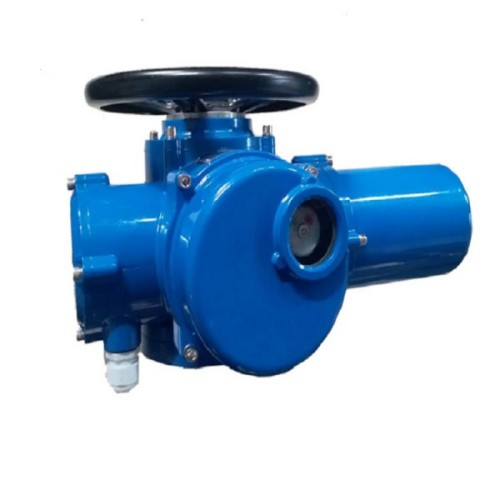
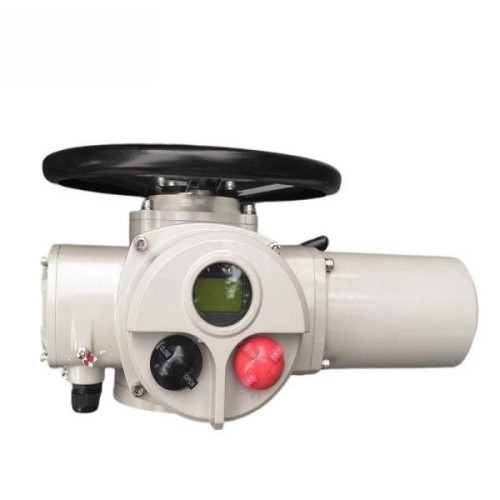
Electric actuators are devices used to control the operation of valves, dampers, and other mechanical systems by converting electrical energy into mechanical motion. They can be classified into several types based on their design, functionality, and application:
1. Multi-Turn Electric Actuators: These actuators are designed to provide rotational movement over multiple turns, making them suitable for applications that require precise and continuous positioning, such as gate valves and globe valves. They are often used in industrial settings where accurate control of fluid flow is essential.
2. Quarter-Turn Electric Actuators: Quarter-turn actuators are designed to provide rotational movement over a 90-degree angle, making them ideal for applications that require on/off or modulating control, such as ball valves and butterfly valves. They are commonly used in various industries for quick and efficient valve operation.
3. Electric Actuator with Fail-Safe Function: Some electric actuators are equipped with fail-safe features, such as spring-return mechanisms or battery backup, to ensure that the valve or damper returns to a safe position in the event of a power failure or system malfunction.
Electric actuators play a critical role in automating and controlling various industrial processes, and the selection of the appropriate type depends on factors such as the valve or damper application, torque or thrust requirements, control system compatibility, and safety considerations. Proper installation and maintenance of electric actuators are essential to ensure reliable and efficient operation within the mechanical system.
What Is An Actuator Used For?
Actuator is used to convert energy into mechanical motion, allowing it to control the operation of various mechanical systems. Actuators are commonly employed to automate the movement of valves, dampers, and other equipment in industrial, commercial, and residential settings. They play a crucial role in regulating the flow of fluids, gases, and other substances within piping systems, as well as in controlling the positioning of mechanical components. Actuators are also utilized in applications such as robotics, manufacturing machinery, HVAC systems, and automotive systems to enable precise and controlled movement. By converting energy into mechanical force, actuators facilitate the efficient operation and automation of a wide range of mechanical processes, contributing to improved system performance, safety, and reliability.












































































