


 Deutsch
 afrikanisch
 albanisch
 Amharisch
 Arabisch
 Armenisch
 Aserbaidschanisch
 baskisch
 Belarussisch
 Bengali
 bosnisch
 bulgarisch
 katalanisch
 Cebuano
 Korsisch
 kroatisch
 Tschechisch
 dänisch
 Niederländisch
 Englisch
 Esperanto
 estnisch
 finnisch
 Französisch
 Friesisch
 galizisch
 georgisch
 griechisch
 Gujarati
 Haitianisches Kreol
 Hausa
Hausa
 hawaiisch
 hebräisch
 Nein
Nein
 Miao
Miao
 ungarisch
 isländisch
 igbo
igbo
 Indonesisch
 irisch
 Italienisch
 japanisch
 Javanisch
 Kannada
 kasachisch
 Khmer
Khmer
 Ruandisch
 Koreanisch
 kurdisch
 Kirgisisch
 TB
TB
 Latein
 lettisch
 litauisch
 Luxemburgisch
 mazedonisch
 Malgashi
 malaiisch
 Malayalam
 maltesisch
 Maori
Maori
 Marathi
 mongolisch
 Myanmar
 Nepali
 norwegisch
 norwegisch
 Okzitanisch
 Paschtu
 persisch
 Polieren
 Portugiesisch
 Punjabi
 rumänisch
 Russisch
 Samoaner
 schottisch Gälisch
 serbisch
 Englisch
 Shona
Shona
 Sindhi
 Singhalesisch
 slowakisch
 Slowenisch
 somali
 Spanisch
 Sundanesisch
 Suaheli
 Schwedisch
 Tagalog
 Tadschikisch
 Tamilisch
 Tatarisch
 Telugu
 Thailändisch
 Türkisch
 Turkmenisch
 ukrainisch
 Urdu
Urdu
 Uigur
Uigur
 Usbekisch
 Vietnamesisch
 Walisisch
 Helfen
 Jiddisch
 Yoruba
 Zulu
Zulu


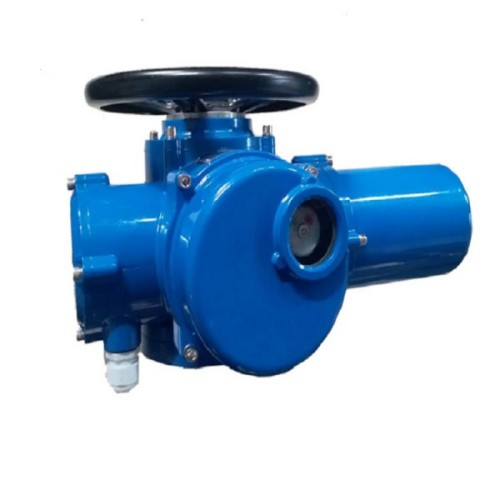
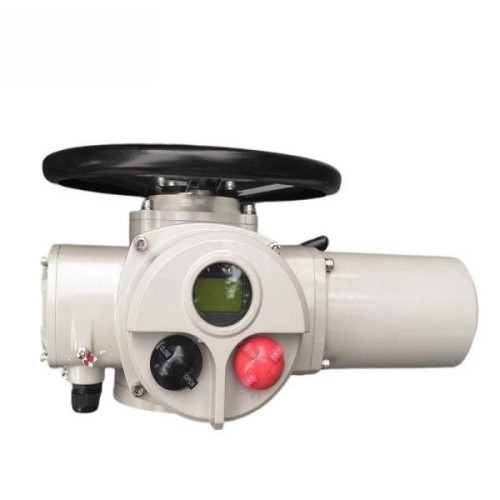
Electric actuators are devices used to control the operation of valves, dampers, and other mechanical systems by converting electrical energy into mechanical motion. They can be classified into several types based on their design, functionality, and application:
1. Multi-Turn Electric Actuators: These actuators are designed to provide rotational movement over multiple turns, making them suitable for applications that require precise and continuous positioning, such as gate valves and globe valves. They are often used in industrial settings where accurate control of fluid flow is essential.
2. Quarter-Turn Electric Actuators: Quarter-turn actuators are designed to provide rotational movement over a 90-degree angle, making them ideal for applications that require on/off or modulating control, such as ball valves and butterfly valves. They are commonly used in various industries for quick and efficient valve operation.
3. Electric Actuator with Fail-Safe Function: Some electric actuators are equipped with fail-safe features, such as spring-return mechanisms or battery backup, to ensure that the valve or damper returns to a safe position in the event of a power failure or system malfunction.
Electric actuators play a critical role in automating and controlling various industrial processes, and the selection of the appropriate type depends on factors such as the valve or damper application, torque or thrust requirements, control system compatibility, and safety considerations. Proper installation and maintenance of electric actuators are essential to ensure reliable and efficient operation within the mechanical system.
What Is An Actuator Used For?
Actuator is used to convert energy into mechanical motion, allowing it to control the operation of various mechanical systems. Actuators are commonly employed to automate the movement of valves, dampers, and other equipment in industrial, commercial, and residential settings. They play a crucial role in regulating the flow of fluids, gases, and other substances within piping systems, as well as in controlling the positioning of mechanical components. Actuators are also utilized in applications such as robotics, manufacturing machinery, HVAC systems, and automotive systems to enable precise and controlled movement. By converting energy into mechanical force, actuators facilitate the efficient operation and automation of a wide range of mechanical processes, contributing to improved system performance, safety, and reliability.












































































