


 català
 africana
 albanès
 amàric
 àrab
àrab
 armeni
 azerbaidjana
 basc
basc
 Bielorús
 bengalí
 bosnià
 búlgar
 Cebuà
Cebuà
 Cors
Cors
 croat
croat
 txec
txec
 danès
danès
 holandès
 Anglès
 esperanto
 estonià
 finès
finès
 francès
 frisó
frisó
 gallec
 georgiana
 alemany
 grec
grec
 Gujarati
 crioll haitiano
 hausa
hausa
 hawaià
 hebreu
 No
No
 Miao
Miao
 hongarès
 islandès
 igbo
igbo
 indonesi
 irlandesa
 italià
 japonès
 javanès
 Kannada
 kazakh
 Khmer
Khmer
 Ruandès
 coreà
coreà
 kurd
kurd
 kirguis
 TB
TB
 llatí
llatí
 letó
letó
 lituà
lituà
 luxemburguesa
 macedoni
 Malgashi
 Malai
Malai
 malayalam
 maltès
 Maori
Maori
 Marathi
 mongol
 Myanmar
 nepalí
 noruec
 noruec
 occità
 Pashto
 persa
persa
 polonès
 portuguès
 panjabi
 romanès
 rus
rus
 samoà
samoà
 Gaèlic escocès
 serbi
serbi
 Anglès
 Shona
Shona
 Sindhi
 Sinhala
 eslovac
 eslovè
 Somali
 espanyol
 Sundanès
 suahili
 suec
suec
 Tagalog
 Tadjik
 Tamil
Tamil
 Tàrtar
 Telugu
 tailandès
 turc
turc
 turcomà
 Ucraïnès
 Urdú
Urdú
 uigur
uigur
 Uzbek
Uzbek
 vietnamita
 gal·lès
 Ajuda
Ajuda
 Yiddish
 ioruba
 Zulu
Zulu


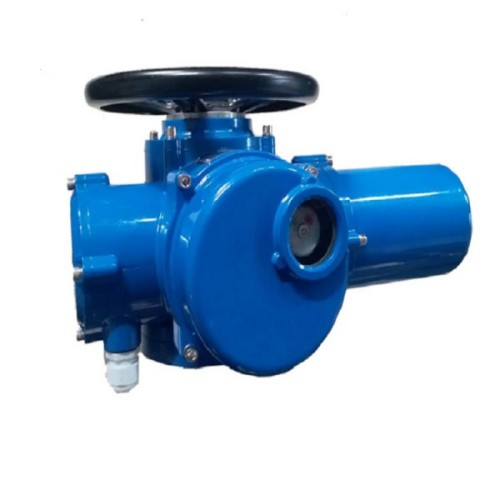
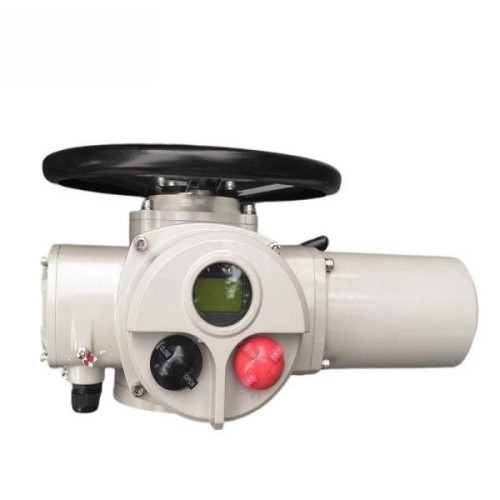
Electric actuators are devices used to control the operation of valves, dampers, and other mechanical systems by converting electrical energy into mechanical motion. They can be classified into several types based on their design, functionality, and application:
1. Multi-Turn Electric Actuators: These actuators are designed to provide rotational movement over multiple turns, making them suitable for applications that require precise and continuous positioning, such as gate valves and globe valves. They are often used in industrial settings where accurate control of fluid flow is essential.
2. Quarter-Turn Electric Actuators: Quarter-turn actuators are designed to provide rotational movement over a 90-degree angle, making them ideal for applications that require on/off or modulating control, such as ball valves and butterfly valves. They are commonly used in various industries for quick and efficient valve operation.
3. Electric Actuator with Fail-Safe Function: Some electric actuators are equipped with fail-safe features, such as spring-return mechanisms or battery backup, to ensure that the valve or damper returns to a safe position in the event of a power failure or system malfunction.
Electric actuators play a critical role in automating and controlling various industrial processes, and the selection of the appropriate type depends on factors such as the valve or damper application, torque or thrust requirements, control system compatibility, and safety considerations. Proper installation and maintenance of electric actuators are essential to ensure reliable and efficient operation within the mechanical system.
What Is An Actuator Used For?
Actuator is used to convert energy into mechanical motion, allowing it to control the operation of various mechanical systems. Actuators are commonly employed to automate the movement of valves, dampers, and other equipment in industrial, commercial, and residential settings. They play a crucial role in regulating the flow of fluids, gases, and other substances within piping systems, as well as in controlling the positioning of mechanical components. Actuators are also utilized in applications such as robotics, manufacturing machinery, HVAC systems, and automotive systems to enable precise and controlled movement. By converting energy into mechanical force, actuators facilitate the efficient operation and automation of a wide range of mechanical processes, contributing to improved system performance, safety, and reliability.












































































