


 Magyar
 afrikai
 albán
albán
 amhara
 arab
arab
 örmény
 azerbajdzsáni
 baszk
baszk
 fehérorosz
 bengáli
 bosnyák
 bolgár
 katalán
 Cebuano
 korzikai
 horvát
 cseh
cseh
 dán
dán
 holland
 angol
angol
 eszperantó
 észt
észt
 finn
finn
 Francia
 fríz
fríz
 galíciai
 grúz
grúz
 német
német
 görög
görög
 gudzsaráti
 Haiti kreol
 hausa
hausa
 hawaii
 héber
héber
 Dehogy
 Miao
Miao
 izlandi
 igbo
igbo
 indonéz
 ír
ír
 olasz
olasz
 japán
japán
 jávai
jávai
 kannada
 kazah
kazah
 khmer
khmer
 ruandai
 koreai
 kurd
kurd
 kirgiz
 tuberkulózis
 latin
latin
 lett
lett
 litván
 luxemburgi
 macedón
 Malgashi
 maláj
maláj
 Malayalam
 máltai
 maori
maori
 marathi
 mongol
 Mianmar
 nepáli
 norvég
 norvég
 okszitán
 pastu
pastu
 perzsa
 fényesít
 portugál
 pandzsábi
 román
román
 orosz
orosz
 szamoai
 skót gael
 szerb
szerb
 angol
angol
 Shona
Shona
 szindhi
 szingaléz
 szlovák
 szlovén
 szomáliai
 spanyol
 szundanai
 szuahéli
 svéd
svéd
 tagalog
 tadzsik
 tamil
tamil
 tatár
tatár
 telugu
 thai
thai
 török
török
 türkmén
 ukrán
ukrán
 urdu
urdu
 ujgur
ujgur
 üzbég
üzbég
 vietnami
 walesi
 Segítség
 jiddis
 joruba
 zulu
zulu


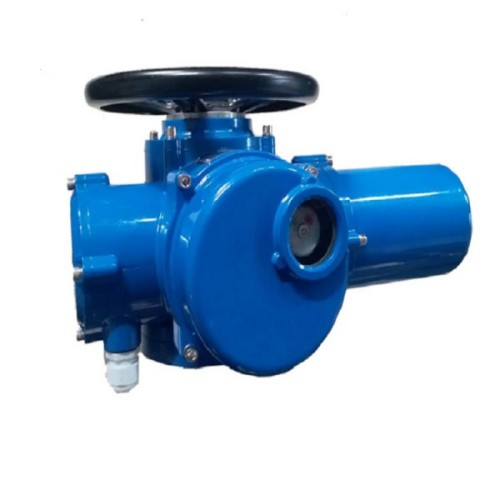
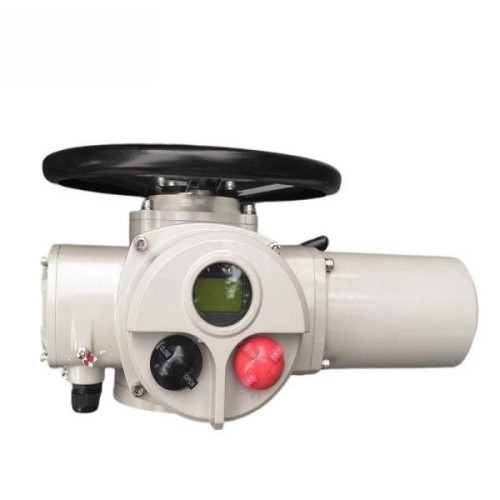
Electric actuators are devices used to control the operation of valves, dampers, and other mechanical systems by converting electrical energy into mechanical motion. They can be classified into several types based on their design, functionality, and application:
1. Multi-Turn Electric Actuators: These actuators are designed to provide rotational movement over multiple turns, making them suitable for applications that require precise and continuous positioning, such as gate valves and globe valves. They are often used in industrial settings where accurate control of fluid flow is essential.
2. Quarter-Turn Electric Actuators: Quarter-turn actuators are designed to provide rotational movement over a 90-degree angle, making them ideal for applications that require on/off or modulating control, such as ball valves and butterfly valves. They are commonly used in various industries for quick and efficient valve operation.
3. Electric Actuator with Fail-Safe Function: Some electric actuators are equipped with fail-safe features, such as spring-return mechanisms or battery backup, to ensure that the valve or damper returns to a safe position in the event of a power failure or system malfunction.
Electric actuators play a critical role in automating and controlling various industrial processes, and the selection of the appropriate type depends on factors such as the valve or damper application, torque or thrust requirements, control system compatibility, and safety considerations. Proper installation and maintenance of electric actuators are essential to ensure reliable and efficient operation within the mechanical system.
What Is An Actuator Used For?
Actuator is used to convert energy into mechanical motion, allowing it to control the operation of various mechanical systems. Actuators are commonly employed to automate the movement of valves, dampers, and other equipment in industrial, commercial, and residential settings. They play a crucial role in regulating the flow of fluids, gases, and other substances within piping systems, as well as in controlling the positioning of mechanical components. Actuators are also utilized in applications such as robotics, manufacturing machinery, HVAC systems, and automotive systems to enable precise and controlled movement. By converting energy into mechanical force, actuators facilitate the efficient operation and automation of a wide range of mechanical processes, contributing to improved system performance, safety, and reliability.












































































