


 Magyar
 afrikai
 albán
albán
 amhara
 arab
arab
 örmény
 azerbajdzsáni
 baszk
baszk
 fehérorosz
 bengáli
 bosnyák
 bolgár
 katalán
 Cebuano
 korzikai
 horvát
 cseh
cseh
 dán
dán
 holland
 angol
angol
 eszperantó
 észt
észt
 finn
finn
 Francia
 fríz
fríz
 galíciai
 grúz
grúz
 német
német
 görög
görög
 gudzsaráti
 Haiti kreol
 hausa
hausa
 hawaii
 héber
héber
 Dehogy
 Miao
Miao
 izlandi
 igbo
igbo
 indonéz
 ír
ír
 olasz
olasz
 japán
japán
 jávai
jávai
 kannada
 kazah
kazah
 khmer
khmer
 ruandai
 koreai
 kurd
kurd
 kirgiz
 tuberkulózis
 latin
latin
 lett
lett
 litván
 luxemburgi
 macedón
 Malgashi
 maláj
maláj
 Malayalam
 máltai
 maori
maori
 marathi
 mongol
 Mianmar
 nepáli
 norvég
 norvég
 okszitán
 pastu
pastu
 perzsa
 fényesít
 portugál
 pandzsábi
 román
román
 orosz
orosz
 szamoai
 skót gael
 szerb
szerb
 angol
angol
 Shona
Shona
 szindhi
 szingaléz
 szlovák
 szlovén
 szomáliai
 spanyol
 szundanai
 szuahéli
 svéd
svéd
 tagalog
 tadzsik
 tamil
tamil
 tatár
tatár
 telugu
 thai
thai
 török
török
 türkmén
 ukrán
ukrán
 urdu
urdu
 ujgur
ujgur
 üzbég
üzbég
 vietnami
 walesi
 Segítség
 jiddis
 joruba
 zulu
zulu


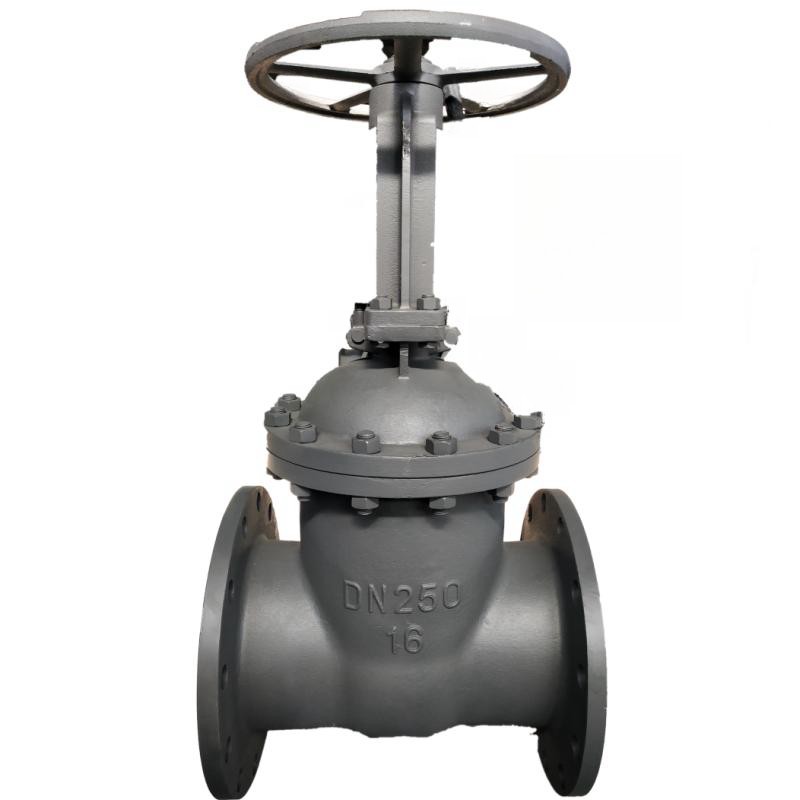
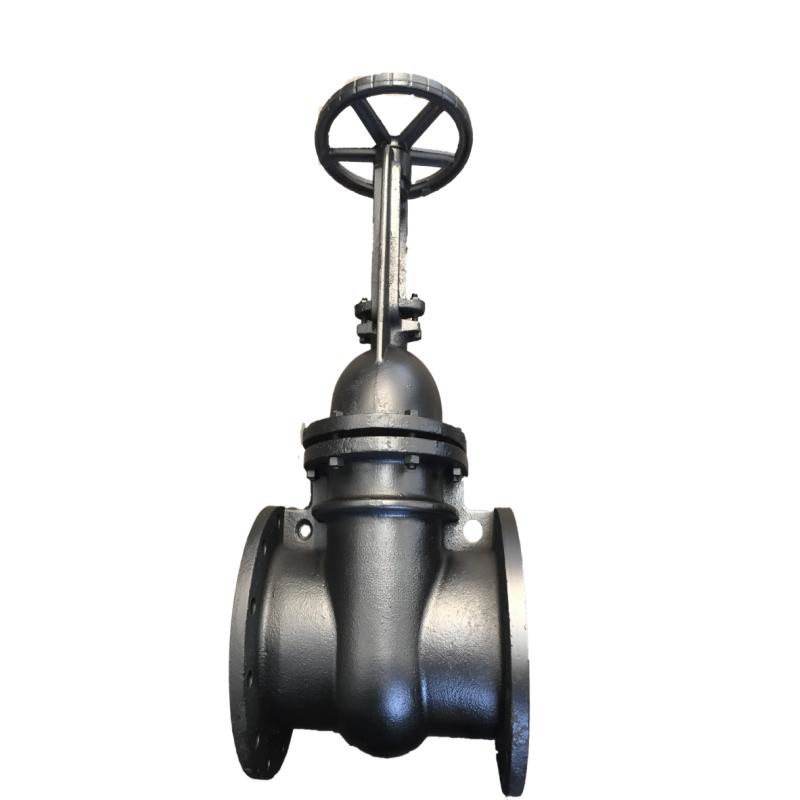
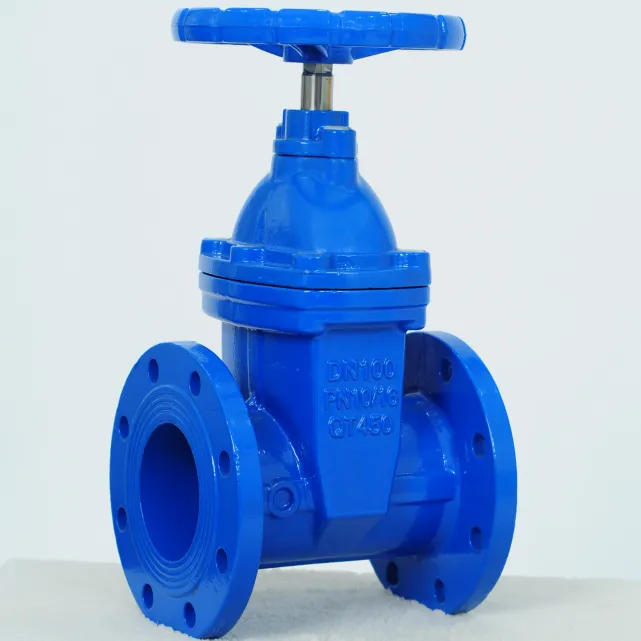
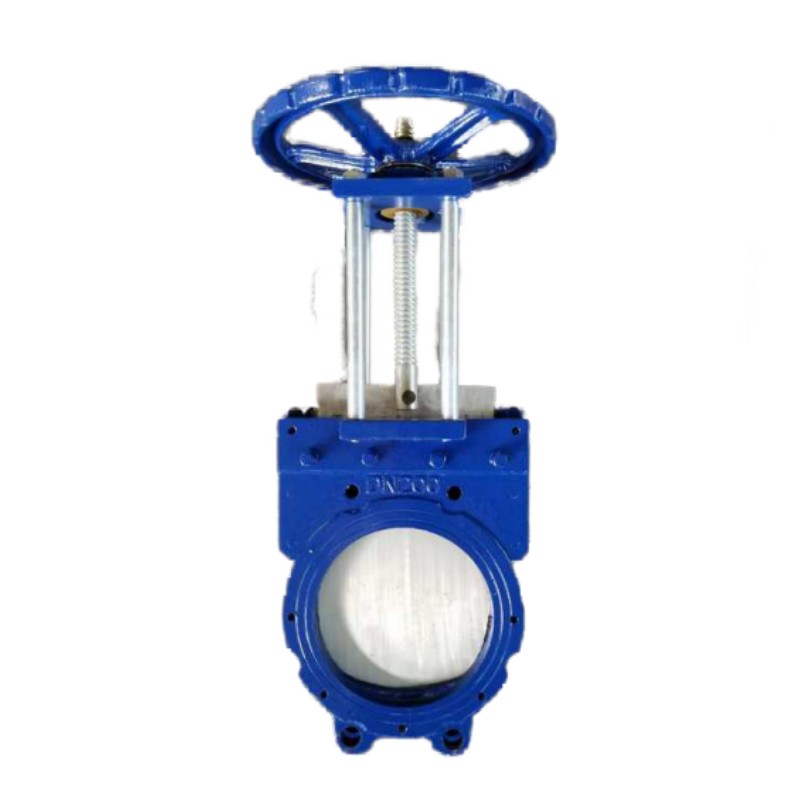
Gate valves are classified based on their structure, gate type, actuation, and application. Structurally, they can be categorized as flexible or rigid gate valves. The gate type can be flat gate or wedge gate.
Actuation can be manual or automatic. Application-wise, they can be general-purpose or special-purpose gate valves for specific conditions such as high pressure, high temperature, or corrosive media.In terms of structure, flexible gate valves feature an elastic sealing ring between the gate and the seat, making them suitable for low pressure, low temperature, or non-corrosive media applications. On the other hand, rigid gate valves do not have an elastic sealing ring and are suitable for high pressure, high temperature, or corrosive media.Gate valves can also be classified based on the type of gate they use. Flat gate valves have a flat gate, while wedge gate valves have a wedge-shaped gate. The choice between these types depends on the specific requirements of the application, such as pressure and flow characteristics.Actuation of gate valves can be either manual or automatic. Manual gate valves are operated by hand, while automatic gate valves are operated using electric, pneumatic, or hydraulic actuators. The choice of actuation depends on the need for remote operation, speed, and precision of control.
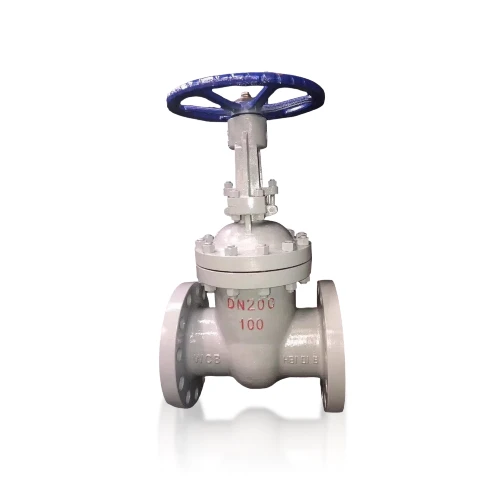
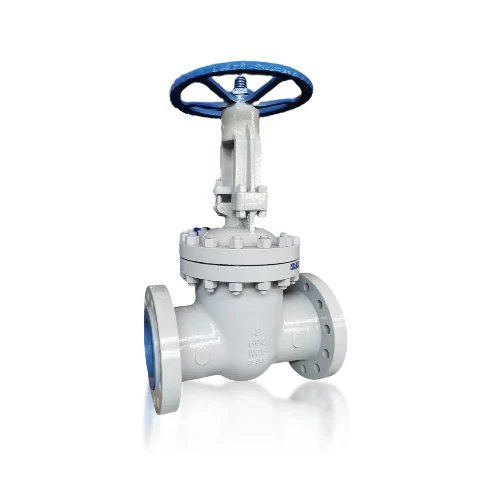
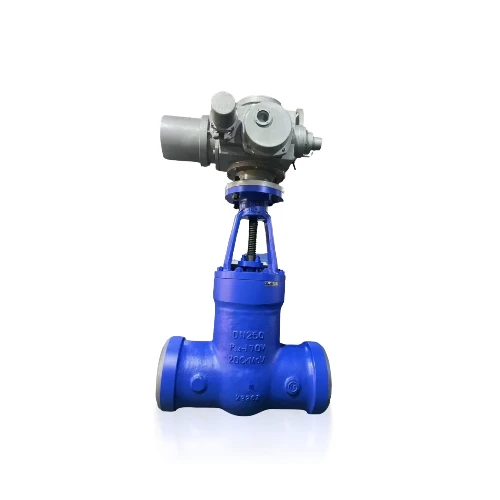
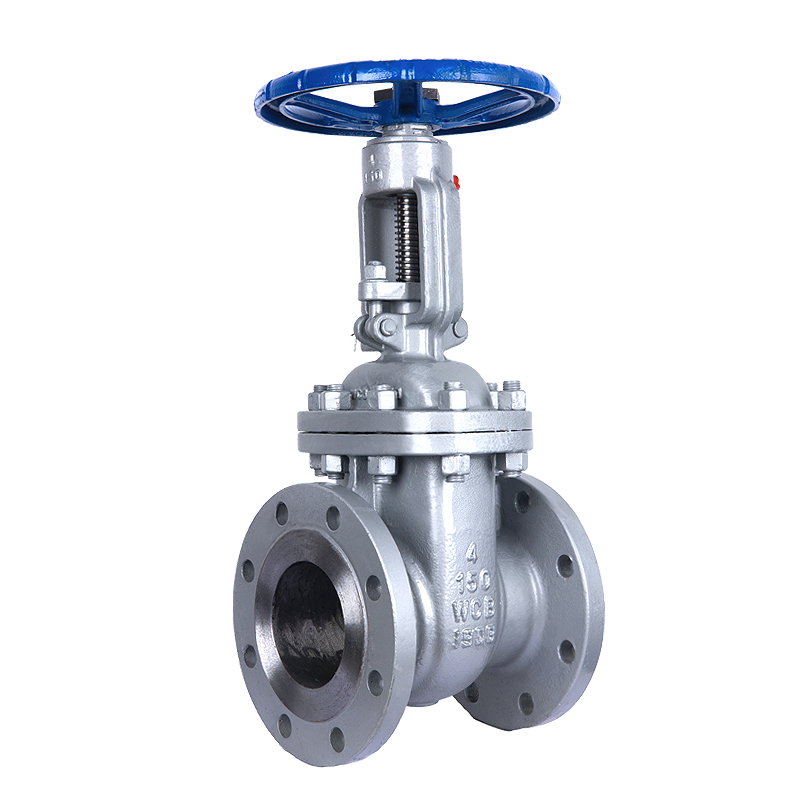
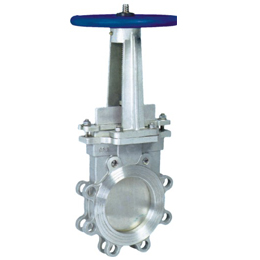
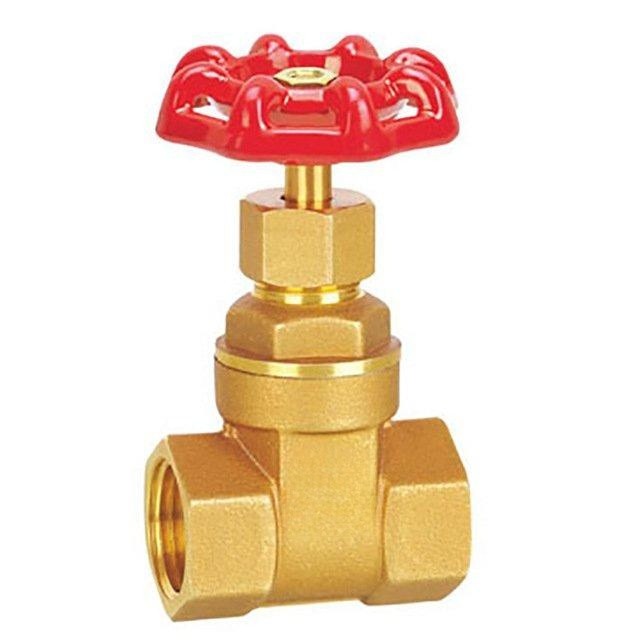
What Is A Gate Valve Used For?
Gate valve is used to control the flow of fluid in a pipeline. It is designed to either fully open to allow unrestricted flow or fully close to stop the flow completely. Gate valves are commonly used inapplications where a straight-line flow of fluid and minimum restriction is desired. They are suitable for a wide range of industries including oil and gas, water and wastewater, chemical and petrochemical, power generation, and many others. Gate valves are particularly well-suited for applications where a tight seal and low pressure drop are important, making them ideal for on/off control of the flow. Their simple and robust design allows for reliable operation and minimal maintenance, and they are often used in systems where infrequent operation is expected. Gate valves are not typically used for regulating flow, as their design is optimized for either fully open or fully closed positions, and they are not well-suited for throttling applications. Overall, gate valves are essential components in many industrial processes where efficient and reliable flow control is required.
How Do Valve Gates Work?
Work by using a flat or wedge-shaped gate to control the flow of fluid through a pipeline. When the valve is in the open position, the gate is lifted to allow the fluid
to pass through the valve unobstructed. Conversely, when the valve is closed, the gate is lowered to block the flow of fluid completely. This simple yet effective mechanism allows for precise control over the flow of liquids or gases in a pipeline. The gate is typically operated by a handwheel, actuator, or other control mechanism, which raises or lowers the gate to open or close the valve. When the gate is fully raised, it is completely clear of the flow path, minimizing pressure drop and allowing for unimpeded flow. Conversely, when the gate is fully lowered, it forms a tight seal against the valve seat, preventing any flow through the pipeline. This on/off functionality makes gate valves well-suited for applications where straight-line flow and minimal pressure drop are important.












































































