


 dansk
dansk
 afrikansk
 albansk
 amharisk
 arabisk
 armensk
 aserbajdsjansk
 baskisk
 hviderussisk
 bengalsk
 bosnisk
 bulgarsk
 catalansk
 Cebuano
 korsikansk
 kroatisk
 tjekkisk
 hollandsk
 engelsk
 Esperanto
 estisk
 finsk
finsk
 fransk
 frisisk
 galicisk
 georgisk
 tysk
tysk
 græsk
græsk
 Gujarati
 haitisk kreol
 hausa
hausa
 hawaiiansk
 hebraisk
 Nix
Nix
 Miao
Miao
 ungarsk
 islandsk
 igbo
igbo
 indonesisk
 irsk
irsk
 italiensk
 japansk
 javanesisk
 Kannada
 kasakhisk
 Khmer
Khmer
 rwandisk
 koreansk
 kurdisk
 kirgisisk
 TB
TB
 latin
latin
 lettisk
 litauisk
 luxembourgsk
 makedonsk
 Malgashi
 malaysisk
 Malayalam
 maltesisk
 Maori
Maori
 Marathi
 mongolsk
 Myanmar
 nepalesisk
 Norsk
Norsk
 Norsk
Norsk
 occitansk
 Pashto
 persisk
 Polere
 portugisisk
 Punjabi
 rumænsk
 Russisk
 samoansk
 skotsk gælisk
 serbisk
 engelsk
 Shona
Shona
 Sindhi
 singalesiske
 slovakisk
 slovensk
 Somali
 spansk
 sundanesisk
 Swahili
 svensk
 Tagalog
 tadsjikisk
 Tamil
Tamil
 tatarisk
 Telugu
 Thai
Thai
 tyrkisk
 turkmenske
 ukrainsk
 Urdu
Urdu
 Uighur
 usbekisk
 vietnamesisk
 walisisk
 Hjælp
Hjælp
 Jiddisch
 Yoruba
 Zulu
Zulu


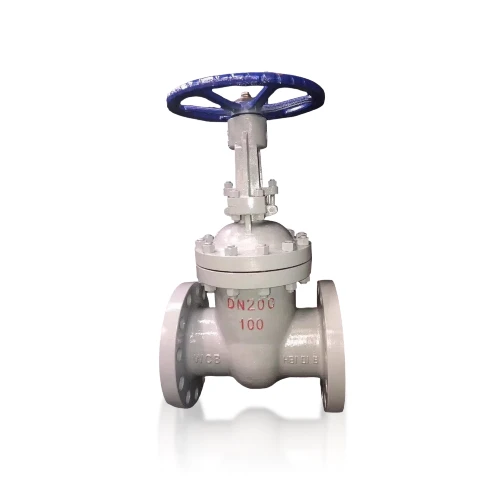
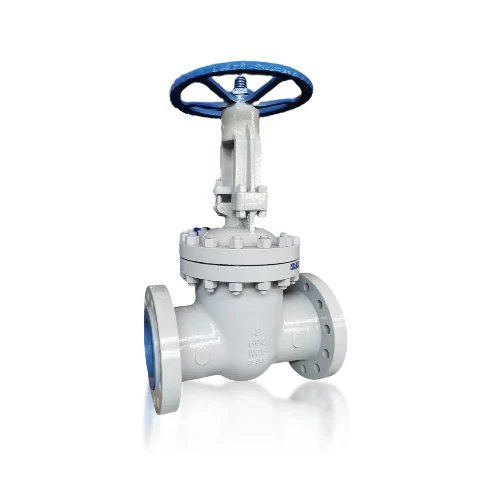
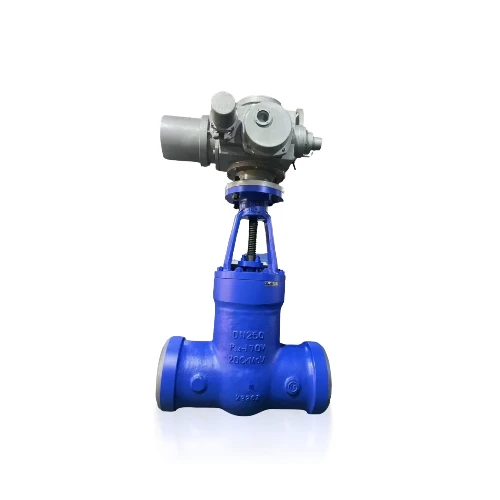
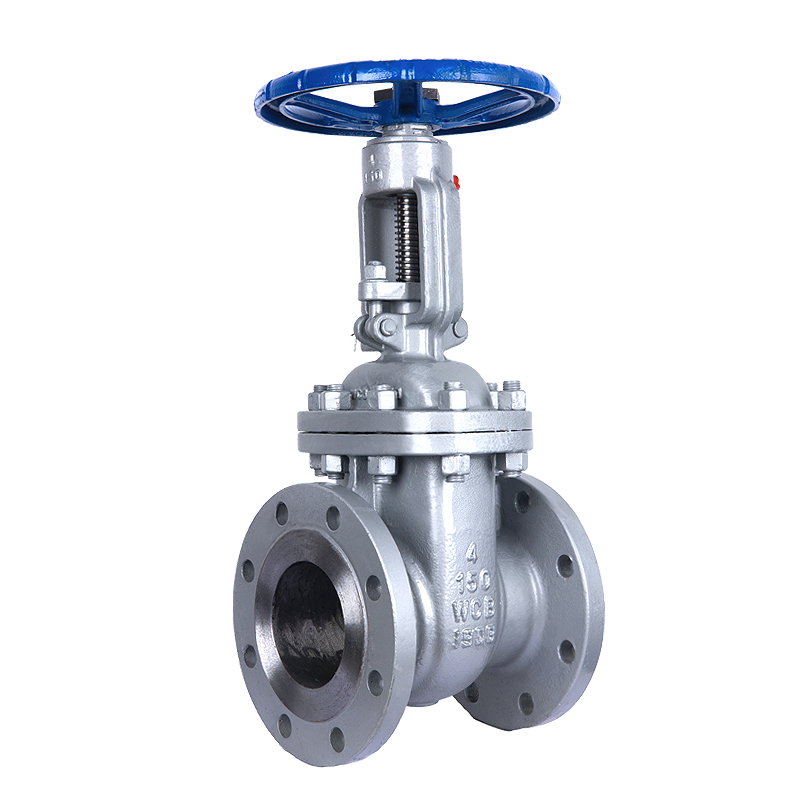
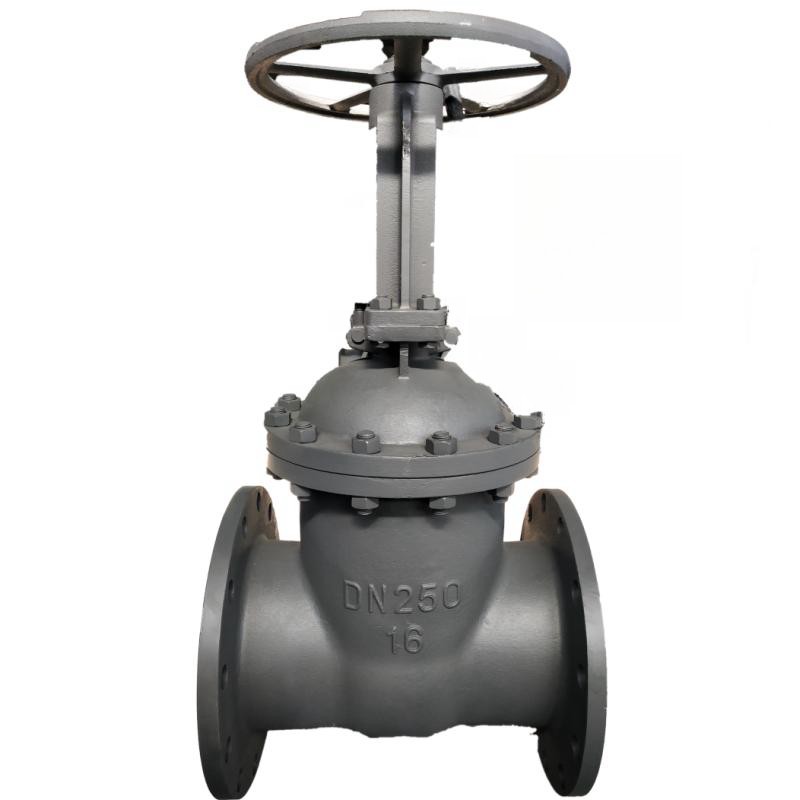
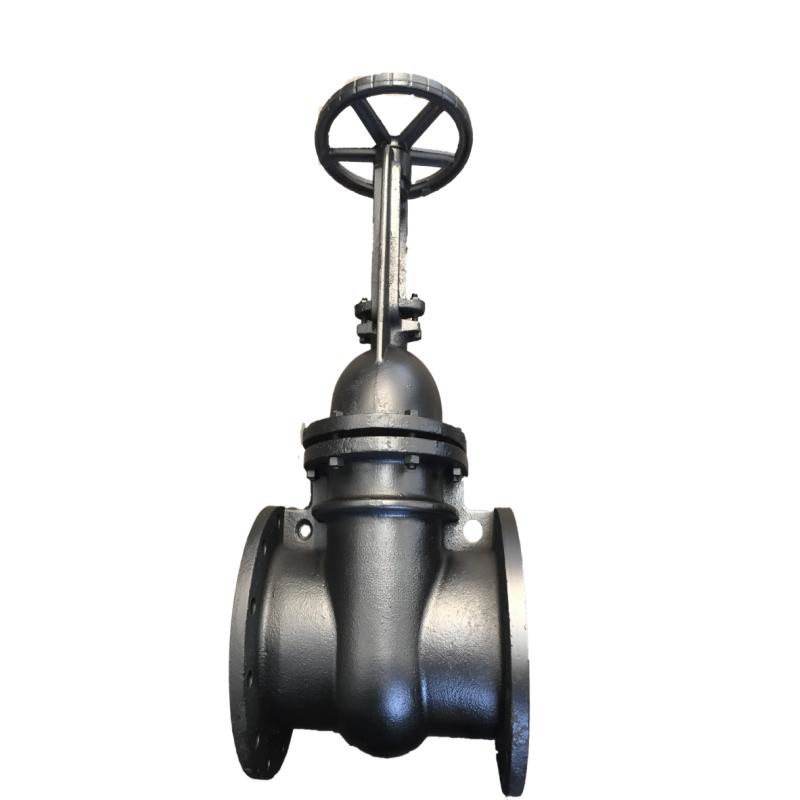
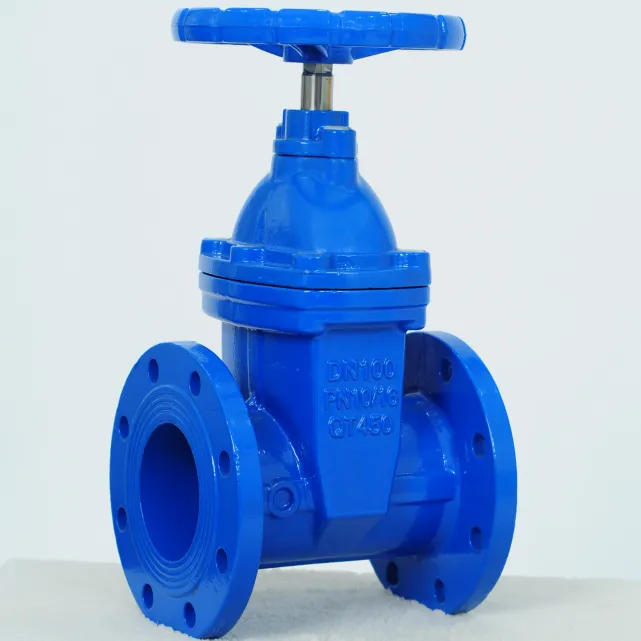
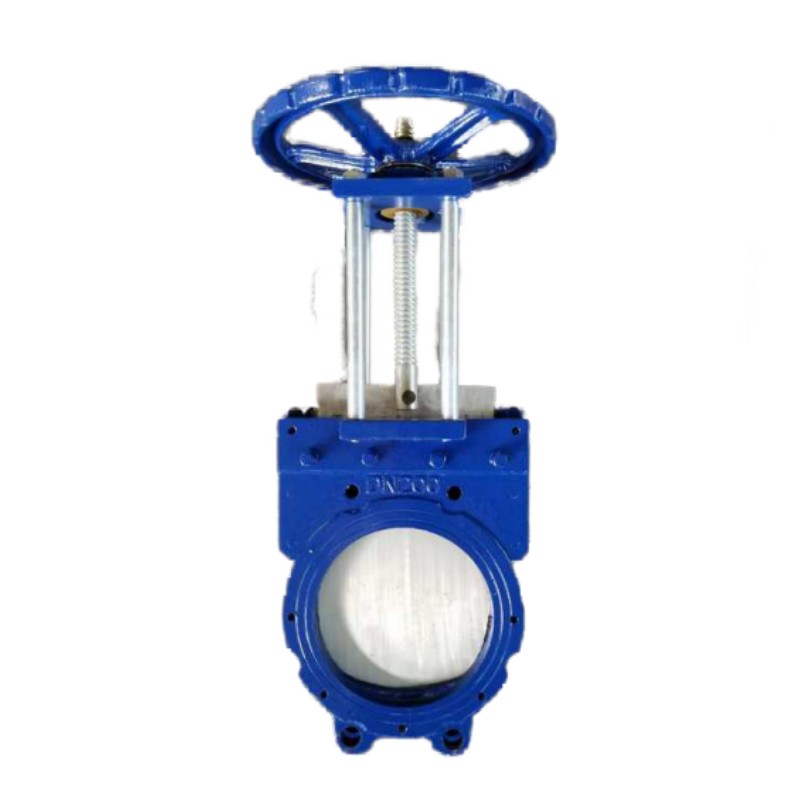
Gate valves are classified based on their structure, gate type, actuation, and application. Structurally, they can be categorized as flexible or rigid gate valves. The gate type can be flat gate or wedge gate.
Actuation can be manual or automatic. Application-wise, they can be general-purpose or special-purpose gate valves for specific conditions such as high pressure, high temperature, or corrosive media.In terms of structure, flexible gate valves feature an elastic sealing ring between the gate and the seat, making them suitable for low pressure, low temperature, or non-corrosive media applications. On the other hand, rigid gate valves do not have an elastic sealing ring and are suitable for high pressure, high temperature, or corrosive media.Gate valves can also be classified based on the type of gate they use. Flat gate valves have a flat gate, while wedge gate valves have a wedge-shaped gate. The choice between these types depends on the specific requirements of the application, such as pressure and flow characteristics.Actuation of gate valves can be either manual or automatic. Manual gate valves are operated by hand, while automatic gate valves are operated using electric, pneumatic, or hydraulic actuators. The choice of actuation depends on the need for remote operation, speed, and precision of control.
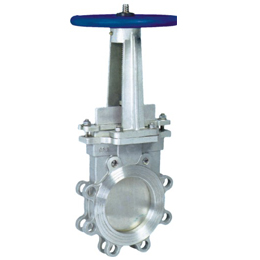
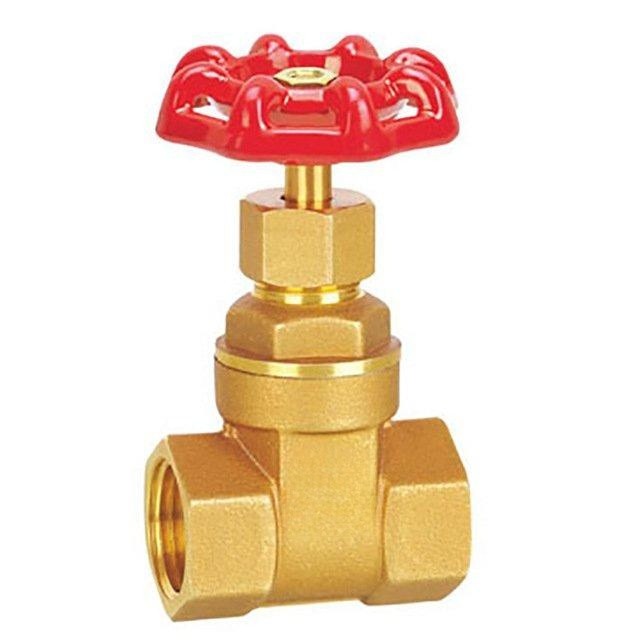
What Is A Gate Valve Used For?
Gate valve is used to control the flow of fluid in a pipeline. It is designed to either fully open to allow unrestricted flow or fully close to stop the flow completely. Gate valves are commonly used inapplications where a straight-line flow of fluid and minimum restriction is desired. They are suitable for a wide range of industries including oil and gas, water and wastewater, chemical and petrochemical, power generation, and many others. Gate valves are particularly well-suited for applications where a tight seal and low pressure drop are important, making them ideal for on/off control of the flow. Their simple and robust design allows for reliable operation and minimal maintenance, and they are often used in systems where infrequent operation is expected. Gate valves are not typically used for regulating flow, as their design is optimized for either fully open or fully closed positions, and they are not well-suited for throttling applications. Overall, gate valves are essential components in many industrial processes where efficient and reliable flow control is required.
How Do Valve Gates Work?
Work by using a flat or wedge-shaped gate to control the flow of fluid through a pipeline. When the valve is in the open position, the gate is lifted to allow the fluid
to pass through the valve unobstructed. Conversely, when the valve is closed, the gate is lowered to block the flow of fluid completely. This simple yet effective mechanism allows for precise control over the flow of liquids or gases in a pipeline. The gate is typically operated by a handwheel, actuator, or other control mechanism, which raises or lowers the gate to open or close the valve. When the gate is fully raised, it is completely clear of the flow path, minimizing pressure drop and allowing for unimpeded flow. Conversely, when the gate is fully lowered, it forms a tight seal against the valve seat, preventing any flow through the pipeline. This on/off functionality makes gate valves well-suited for applications where straight-line flow and minimal pressure drop are important.












































































