


 o'zbek
 afrikalik
 alban
alban
 Amhar
Amhar
 arabcha
 arman
arman
 ozarbayjon
 bask
bask
 belarus
 bengal
 bosniyalik
 bolgar
 katalon
 Sebuano
 Korsika
 xorvat
 chex
chex
 Daniya
 golland
 Ingliz
 Esperanto
 eston
eston
 fin
fin
 frantsuz
 frizcha
 Galisian
 gruzin
 nemis
nemis
 yunoncha
 Gujarati
 Gaiti kreoli
 hausa
hausa
 gavayilik
 ibroniy
 yoq
yoq
 Miao
Miao
 venger
 island
 igbo
igbo
 indonez
 irland
 italyancha
 yapon
yapon
 yava
yava
 Kannada
 qozoq
qozoq
 kxmer
kxmer
 Ruanda
 koreys
 kurd
kurd
 qirg'iz
 sil kasalligi
 lotin
lotin
 latviyalik
 litva
litva
 Lyuksemburgcha
 makedon
 Malgashi
 malay
malay
 Malayalam
 malta
malta
 maori
maori
 marati
 mo'g'ul
 Myanma
 Nepal
Nepal
 norveg
 norveg
 oksitan
 Pushtu
 forscha
 polyak
 portugal
 panjob
 rumin
rumin
 rus
rus
 Samoa
Samoa
 Shotlandiya gael tili
 serb
serb
 Ingliz
 Shona
Shona
 Sindhi
 Sinhala
 slovak
 sloven
 Somali
 ispancha
 sundan
 suahili
 shvedcha
 Tagalog
 tojik
tojik
 Tamil
Tamil
 tatar
tatar
 Telugu
 tay
tay
 turkcha
 turkman
 ukrain
 urdu
urdu
 uyg'ur
 Vetnam
 uels
uels
 Yordam
 Yahudiy
 Yoruba
 Zulu
Zulu


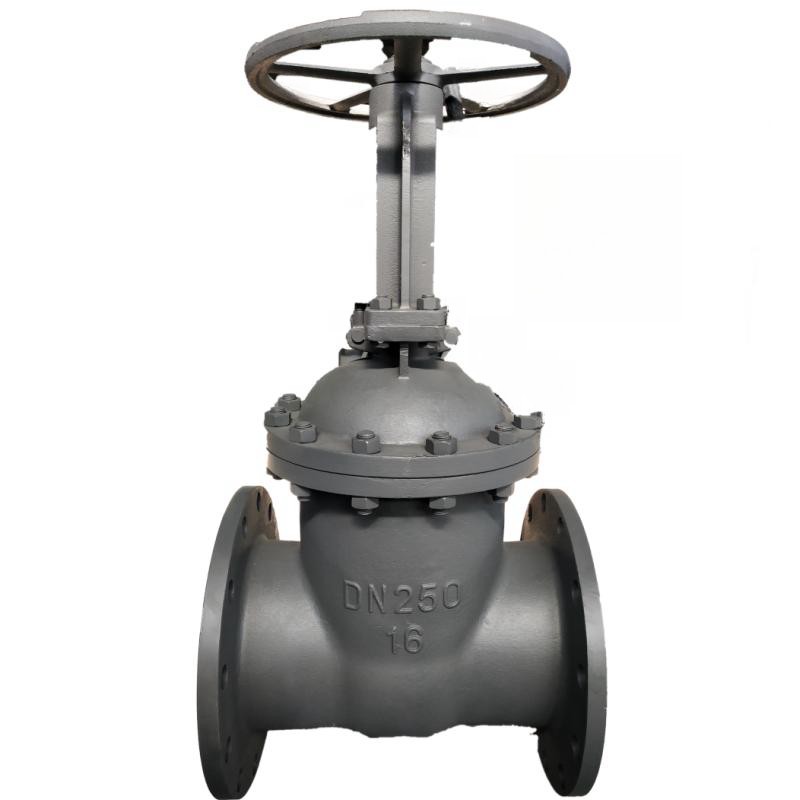
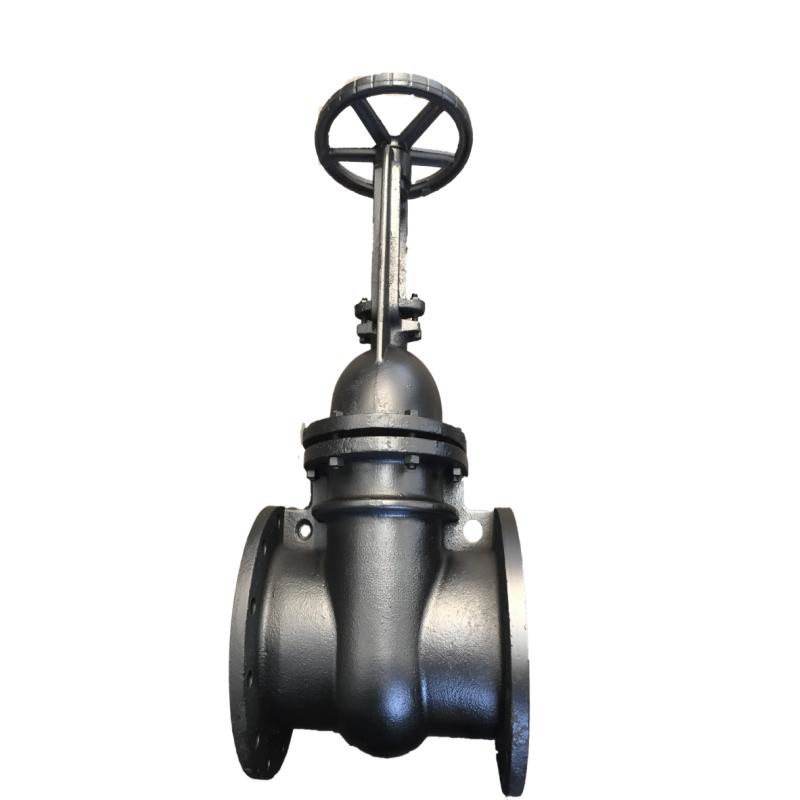
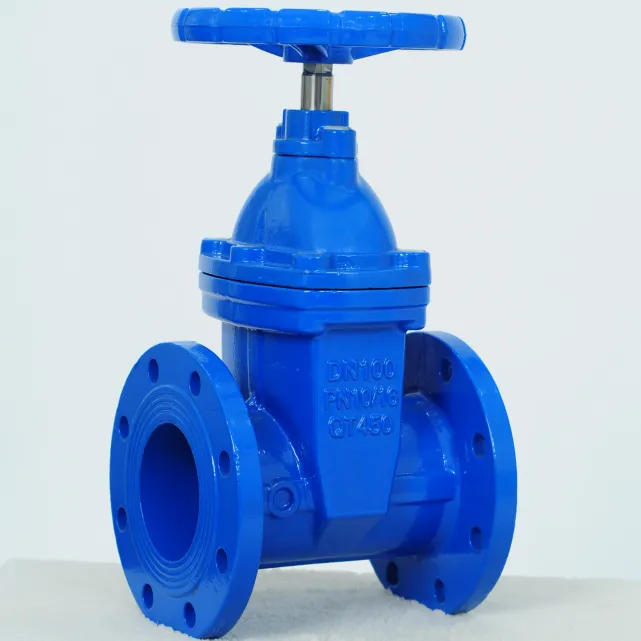
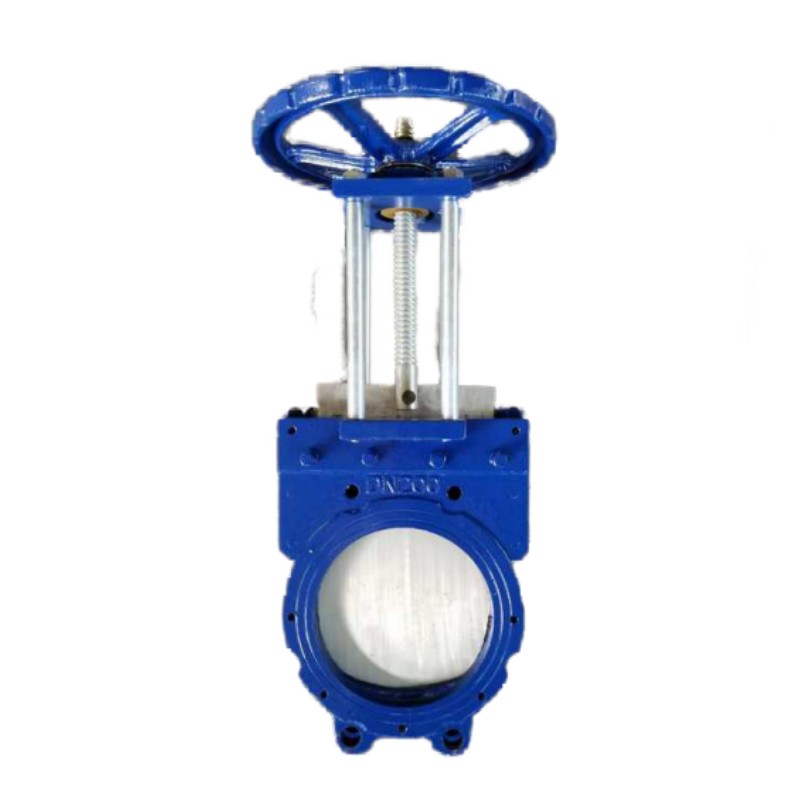
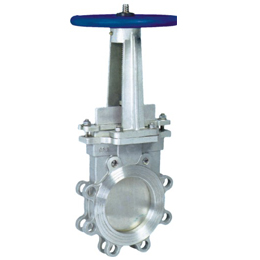
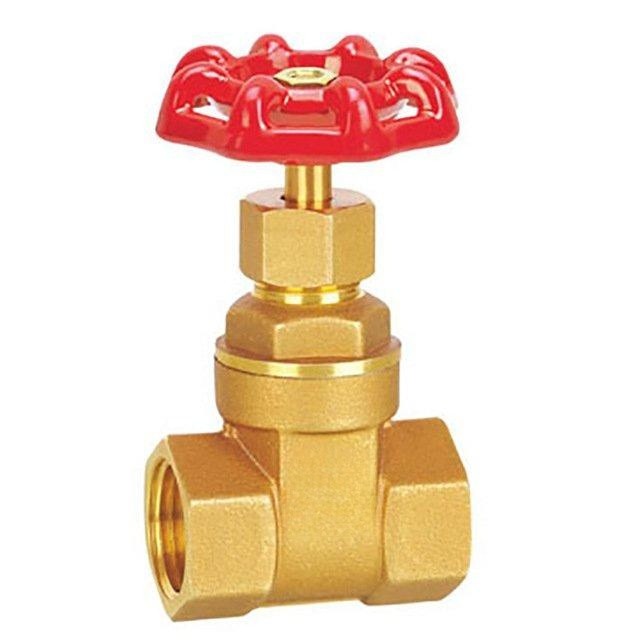
Gate valves are classified based on their structure, gate type, actuation, and application. Structurally, they can be categorized as flexible or rigid gate valves. The gate type can be flat gate or wedge gate.
Actuation can be manual or automatic. Application-wise, they can be general-purpose or special-purpose gate valves for specific conditions such as high pressure, high temperature, or corrosive media.In terms of structure, flexible gate valves feature an elastic sealing ring between the gate and the seat, making them suitable for low pressure, low temperature, or non-corrosive media applications. On the other hand, rigid gate valves do not have an elastic sealing ring and are suitable for high pressure, high temperature, or corrosive media.Gate valves can also be classified based on the type of gate they use. Flat gate valves have a flat gate, while wedge gate valves have a wedge-shaped gate. The choice between these types depends on the specific requirements of the application, such as pressure and flow characteristics.Actuation of gate valves can be either manual or automatic. Manual gate valves are operated by hand, while automatic gate valves are operated using electric, pneumatic, or hydraulic actuators. The choice of actuation depends on the need for remote operation, speed, and precision of control.
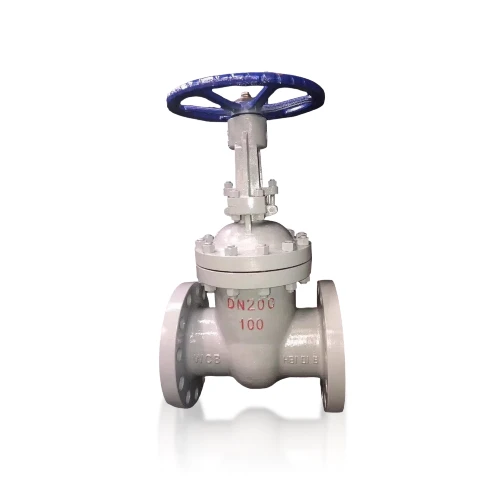
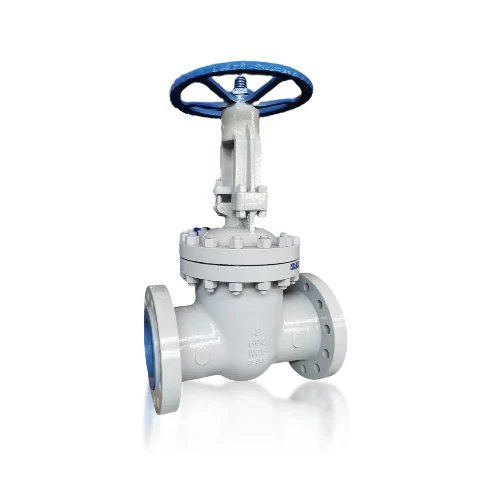
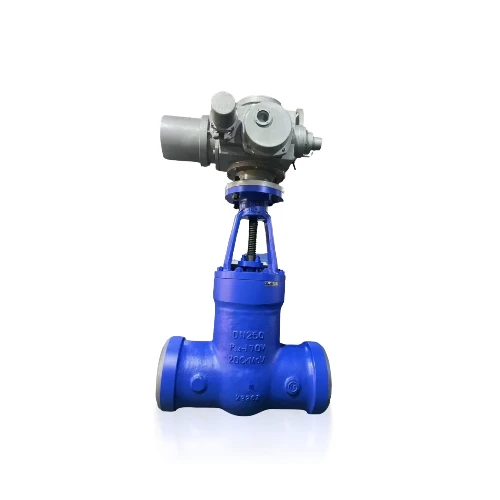
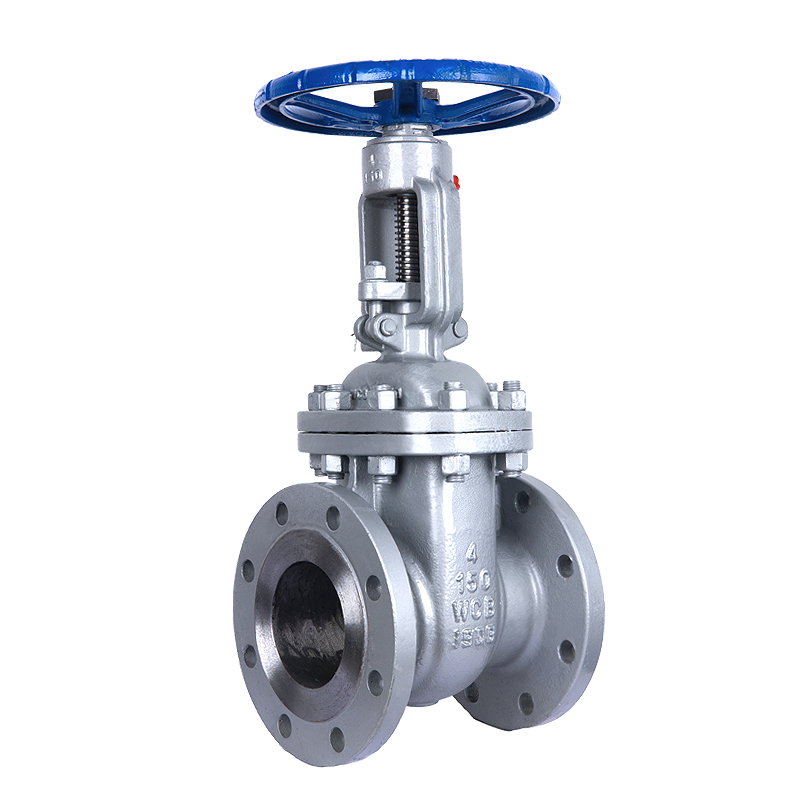
What Is A Gate Valve Used For?
Gate valve is used to control the flow of fluid in a pipeline. It is designed to either fully open to allow unrestricted flow or fully close to stop the flow completely. Gate valves are commonly used inapplications where a straight-line flow of fluid and minimum restriction is desired. They are suitable for a wide range of industries including oil and gas, water and wastewater, chemical and petrochemical, power generation, and many others. Gate valves are particularly well-suited for applications where a tight seal and low pressure drop are important, making them ideal for on/off control of the flow. Their simple and robust design allows for reliable operation and minimal maintenance, and they are often used in systems where infrequent operation is expected. Gate valves are not typically used for regulating flow, as their design is optimized for either fully open or fully closed positions, and they are not well-suited for throttling applications. Overall, gate valves are essential components in many industrial processes where efficient and reliable flow control is required.
How Do Valve Gates Work?
Work by using a flat or wedge-shaped gate to control the flow of fluid through a pipeline. When the valve is in the open position, the gate is lifted to allow the fluid
to pass through the valve unobstructed. Conversely, when the valve is closed, the gate is lowered to block the flow of fluid completely. This simple yet effective mechanism allows for precise control over the flow of liquids or gases in a pipeline. The gate is typically operated by a handwheel, actuator, or other control mechanism, which raises or lowers the gate to open or close the valve. When the gate is fully raised, it is completely clear of the flow path, minimizing pressure drop and allowing for unimpeded flow. Conversely, when the gate is fully lowered, it forms a tight seal against the valve seat, preventing any flow through the pipeline. This on/off functionality makes gate valves well-suited for applications where straight-line flow and minimal pressure drop are important.












































































