


 dansk
dansk
 afrikansk
 albansk
 amharisk
 arabisk
 armensk
 aserbajdsjansk
 baskisk
 hviderussisk
 bengalsk
 bosnisk
 bulgarsk
 catalansk
 Cebuano
 korsikansk
 kroatisk
 tjekkisk
 hollandsk
 engelsk
 Esperanto
 estisk
 finsk
finsk
 fransk
 frisisk
 galicisk
 georgisk
 tysk
tysk
 græsk
græsk
 Gujarati
 haitisk kreol
 hausa
hausa
 hawaiiansk
 hebraisk
 Nix
Nix
 Miao
Miao
 ungarsk
 islandsk
 igbo
igbo
 indonesisk
 irsk
irsk
 italiensk
 japansk
 javanesisk
 Kannada
 kasakhisk
 Khmer
Khmer
 rwandisk
 koreansk
 kurdisk
 kirgisisk
 TB
TB
 latin
latin
 lettisk
 litauisk
 luxembourgsk
 makedonsk
 Malgashi
 malaysisk
 Malayalam
 maltesisk
 Maori
Maori
 Marathi
 mongolsk
 Myanmar
 nepalesisk
 Norsk
Norsk
 Norsk
Norsk
 occitansk
 Pashto
 persisk
 Polere
 portugisisk
 Punjabi
 rumænsk
 Russisk
 samoansk
 skotsk gælisk
 serbisk
 engelsk
 Shona
Shona
 Sindhi
 singalesiske
 slovakisk
 slovensk
 Somali
 spansk
 sundanesisk
 Swahili
 svensk
 Tagalog
 tadsjikisk
 Tamil
Tamil
 tatarisk
 Telugu
 Thai
Thai
 tyrkisk
 turkmenske
 ukrainsk
 Urdu
Urdu
 Uighur
 usbekisk
 vietnamesisk
 walisisk
 Hjælp
Hjælp
 Jiddisch
 Yoruba
 Zulu
Zulu


Balanced valve, also known as a balancing valve, is a type of valve used in fluid systems to regulate and control the flow of liquids or gases. It is designed to ensure that the flow rates through different branches of a piping system are properly balanced, meaning that the flow is evenly distributed according to the system's design requirements. Balanced valves are commonly used in hydronic heating and cooling systems, as well as in HVAC systems, to maintain optimal flow conditions and to achieve efficient and uniform distribution of the heating or cooling medium. These valves are available in various types, including globe valves, ball valves, and specialized balancing valves, each designed to provide precise flow control and balancing capabilities. The classification of balanced valves is based on factors such as the type of fluid being controlled, the pressure and temperature requirements, and the specific application within the fluid system. Proper selection and installation of balanced valves are essential for ensuring the overall performance, energy efficiency, and reliability of the fluid system.

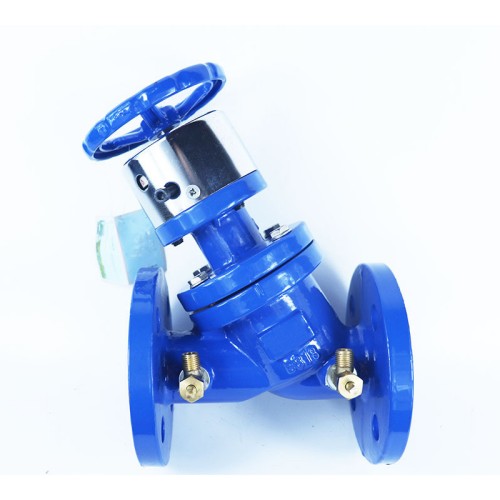

How To Balance A Balancing Valve?
Balancing a balancing valve involves adjusting the valve to ensure that the flow of fluid through the system is properly distributed. Here are the general steps for balancing a balancing valve:
1. Initial Setting: Begin by setting the balancing valve to its initial position, typically fully open or fully closed, depending on the specific valve design and the system requirements.
2. Measure Flow: Use flow measurement devices such as flow meters to determine the actual flow rates through different branches of the system. This step helps identify any imbalances in the flow distribution.
3. Adjust Valve Position: Based on the flow measurements, adjust the position of the balancing valve to regulate the flow through each branch of the system. This may involve partially opening or closing the valve to achieve the desired flow rates.
4. Verify and Fine-Tune: After adjusting the valve position, verify the flow rates again to ensure that the desired balance is achieved. Fine-tune the valve position as needed to achieve the specified flow distribution.
5. Repeat if Necessary: In complex systems or systems with changing operating conditions, the balancing process may need to be repeated periodically to maintain optimal flow balance.
Balancing a balancing valve is essential for ensuring that the flow of fluid through the system is evenly distributed, which helps optimize system performance, energy efficiency, and equipment longevity. Proper balancing also contributes to maintaining consistent temperatures and pressures throughout the system.












































































