


 Melayu
 Afrika
 bahasa Albania
 Amharic
 bahasa arab
 bahasa Armenia
 Azerbaijan
 Basque
 Belarusia
 Benggali
 Bosnia
 bahasa Bulgaria
 Catalan
 Cebuano
 Korsika
 bahasa Croatia
 bahasa Czech
 Danish
 Belanda
 Inggeris
 Esperanto
 bahasa Estonia
 bahasa Finland
 Perancis
 Frisian
 Galicia
 Georgian
 Jerman
 bahasa Yunani
 Gujerat
 Kreol Haiti
 hausa
hausa
 hawaii
 bahasa Ibrani
 Tidak
Tidak
 Miao
Miao
 bahasa Hungary
 bahasa Iceland
 igbo
igbo
 Indonesia
 irish
irish
 Itali
Itali
 Jepun
Jepun
 bahasa jawa
 Kannada
 kazakh
 Khmer
Khmer
 Rwanda
 Korea
Korea
 Kurdish
 Kyrgyz
 TB
TB
 bahasa Latin
 bahasa Latvia
 bahasa Lithuania
 Luxembourgish
 Macedonia
 Malgashi
 Malayalam
 bahasa Malta
 Maori
Maori
 Marathi
 Mongolia
 Myanmar
 Nepal
Nepal
 bahasa Norway
 bahasa Norway
 Occitan
 Pashto
 Parsi
Parsi
 Poland
 Portugis
 Punjabi
 bahasa Romania
 bahasa Rusia
 bahasa Samoa
 Gaelik Scotland
 bahasa Serbia
 Inggeris
 Shona
Shona
 Sindhi
 Sinhala
 Bahasa Slovak
 Bahasa Slovenia
 Somalia
 bahasa Sepanyol
 bahasa sunda
 bahasa Swahili
 bahasa Sweden
 bahasa Tagalog
 bahasa Tajik
 bahasa Tamil
 Tatar
Tatar
 Telugu
 Thai
Thai
 bahasa Turki
 orang Turkmen
 Ukraine
 bahasa Urdu
 Uighur
 Uzbek
Uzbek
 bahasa Vietnam
 bahasa Wales
 Bantu
Bantu
 Yiddish
 Yoruba
 Zulu
Zulu


Balanced valve, also known as a balancing valve, is a type of valve used in fluid systems to regulate and control the flow of liquids or gases. It is designed to ensure that the flow rates through different branches of a piping system are properly balanced, meaning that the flow is evenly distributed according to the system's design requirements. Balanced valves are commonly used in hydronic heating and cooling systems, as well as in HVAC systems, to maintain optimal flow conditions and to achieve efficient and uniform distribution of the heating or cooling medium. These valves are available in various types, including globe valves, ball valves, and specialized balancing valves, each designed to provide precise flow control and balancing capabilities. The classification of balanced valves is based on factors such as the type of fluid being controlled, the pressure and temperature requirements, and the specific application within the fluid system. Proper selection and installation of balanced valves are essential for ensuring the overall performance, energy efficiency, and reliability of the fluid system.

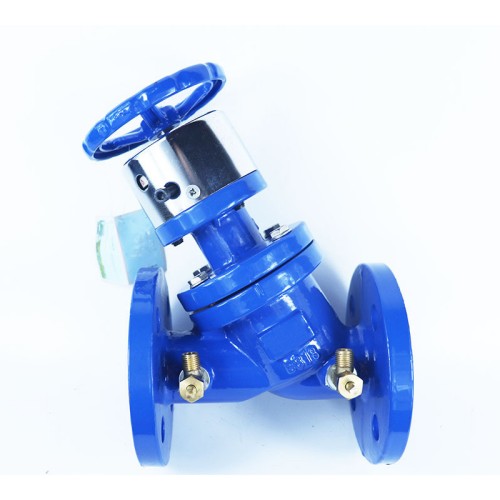

How To Balance A Balancing Valve?
Balancing a balancing valve involves adjusting the valve to ensure that the flow of fluid through the system is properly distributed. Here are the general steps for balancing a balancing valve:
1. Initial Setting: Begin by setting the balancing valve to its initial position, typically fully open or fully closed, depending on the specific valve design and the system requirements.
2. Measure Flow: Use flow measurement devices such as flow meters to determine the actual flow rates through different branches of the system. This step helps identify any imbalances in the flow distribution.
3. Adjust Valve Position: Based on the flow measurements, adjust the position of the balancing valve to regulate the flow through each branch of the system. This may involve partially opening or closing the valve to achieve the desired flow rates.
4. Verify and Fine-Tune: After adjusting the valve position, verify the flow rates again to ensure that the desired balance is achieved. Fine-tune the valve position as needed to achieve the specified flow distribution.
5. Repeat if Necessary: In complex systems or systems with changing operating conditions, the balancing process may need to be repeated periodically to maintain optimal flow balance.
Balancing a balancing valve is essential for ensuring that the flow of fluid through the system is evenly distributed, which helps optimize system performance, energy efficiency, and equipment longevity. Proper balancing also contributes to maintaining consistent temperatures and pressures throughout the system.












































































