


 Melayu
 Afrika
 bahasa Albania
 Amharic
 bahasa arab
 bahasa Armenia
 Azerbaijan
 Basque
 Belarusia
 Benggali
 Bosnia
 bahasa Bulgaria
 Catalan
 Cebuano
 Korsika
 bahasa Croatia
 bahasa Czech
 Danish
 Belanda
 Inggeris
 Esperanto
 bahasa Estonia
 bahasa Finland
 Perancis
 Frisian
 Galicia
 Georgian
 Jerman
 bahasa Yunani
 Gujerat
 Kreol Haiti
 hausa
hausa
 hawaii
 bahasa Ibrani
 Tidak
Tidak
 Miao
Miao
 bahasa Hungary
 bahasa Iceland
 igbo
igbo
 Indonesia
 irish
irish
 Itali
Itali
 Jepun
Jepun
 bahasa jawa
 Kannada
 kazakh
 Khmer
Khmer
 Rwanda
 Korea
Korea
 Kurdish
 Kyrgyz
 TB
TB
 bahasa Latin
 bahasa Latvia
 bahasa Lithuania
 Luxembourgish
 Macedonia
 Malgashi
 Malayalam
 bahasa Malta
 Maori
Maori
 Marathi
 Mongolia
 Myanmar
 Nepal
Nepal
 bahasa Norway
 bahasa Norway
 Occitan
 Pashto
 Parsi
Parsi
 Poland
 Portugis
 Punjabi
 bahasa Romania
 bahasa Rusia
 bahasa Samoa
 Gaelik Scotland
 bahasa Serbia
 Inggeris
 Shona
Shona
 Sindhi
 Sinhala
 Bahasa Slovak
 Bahasa Slovenia
 Somalia
 bahasa Sepanyol
 bahasa sunda
 bahasa Swahili
 bahasa Sweden
 bahasa Tagalog
 bahasa Tajik
 bahasa Tamil
 Tatar
Tatar
 Telugu
 Thai
Thai
 bahasa Turki
 orang Turkmen
 Ukraine
 bahasa Urdu
 Uighur
 Uzbek
Uzbek
 bahasa Vietnam
 bahasa Wales
 Bantu
Bantu
 Yiddish
 Yoruba
 Zulu
Zulu


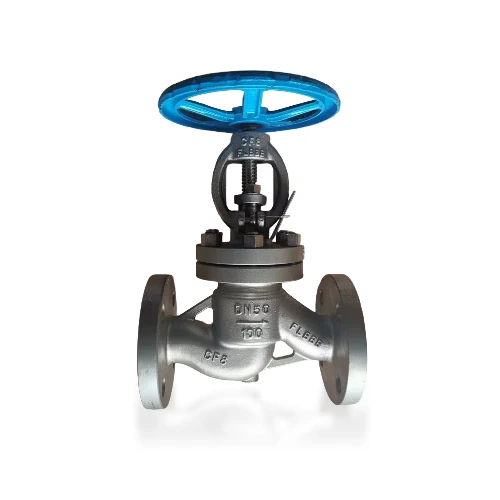
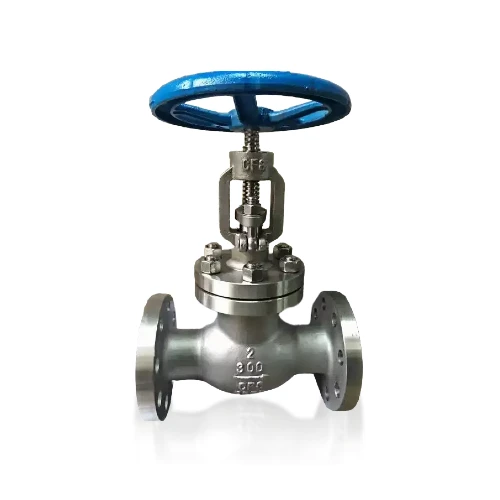
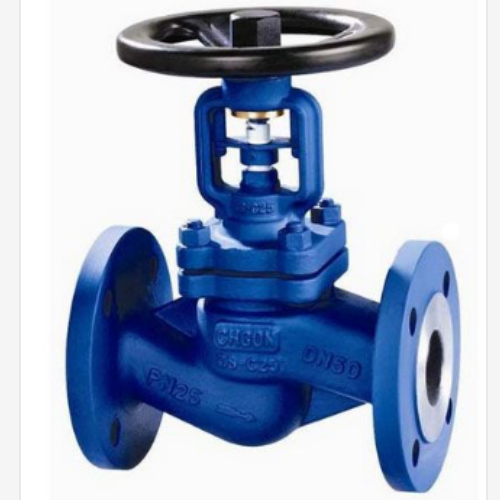
Globe valve is an instrument used to stop and/or control the flow of fluids in a pipeline. It works by halting the flow of a fluid through a pipe. The name globe comes about due to the valve's cylindrical shape. There are usually two halves of the body within the globe valve that are separated by an internal baffle.
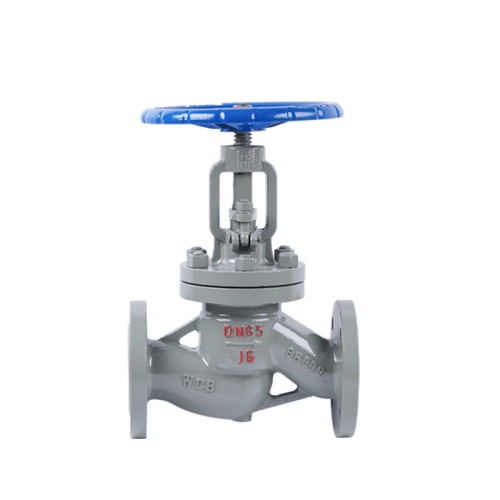
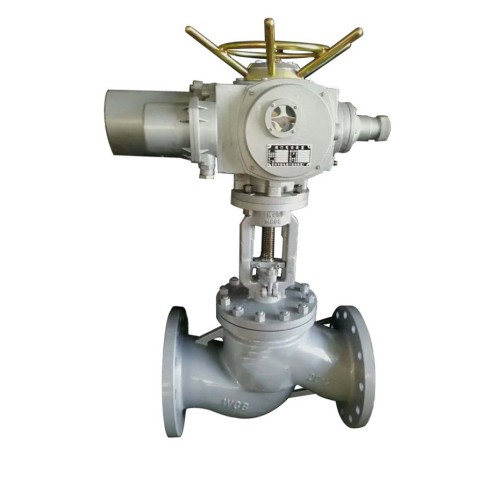
Globe Valve Used For High Pressure?
Yes, a globe valve is commonly used for high-pressure applications. Its design, which includes a linear motion disk and seat arrangement, allows for precise throttling and control of the flow, making it suitable for regulating high-pressure and high-temperature fluids. The globe valve's ability to provide fine adjustments in flow rate and its capability to withstand high pressures make it a preferred choice in many industrial settings where precise flow control under demanding conditions is required.
What Is The Purpose Of A Globe Valve?
The purpose of a globe valve is to regulate and control the flow of fluid in a pipeline. Globe valves are designed to provide precise throttling and control of the flow, making them suitable for applications where accurate regulation of flow rate is essential. They are commonly used in systems where the flow needs to be adjusted frequently or where a fine degree of control is required. Globe valves are particularly well-suited for high-pressure and high-temperature applications, as well as for systems that involve abrasive or corrosive fluids. Their ability to withstand high pressures and provide reliable flow control makes them essential components in various industrial processes, including power generation, oil and gas, chemical processing, and water treatment.
Globe Valve Faq
1.What is a globe valve?
Globe valve is a type of linear motion valve used to regulate the flow of a fluid in a pipeline. It consists of a movable disk-type element and a stationary ring seat in a spherical body. The design allows for precise throttling and control of the flow.
2.What are the applications of globe valves?
Globe valves are commonly used in high-pressure and high-temperature applications, as well as in systems that require frequent adjustments to the flow rate. They are also suitable for handling abrasive or corrosive fluids. Typical applications include power plants, oil and gas processing, chemical and petrochemical industries, and water treatment facilities.
3.How does a globe valve differ from other types of valves?
Unlike ball valves, which are primarily designed for on/off control, globe valves are well-suited for regulating flow. The linear motion of the disk allows for precise throttling, making them ideal for applications that require fine control over the flow rate. In contrast to gate valves, globe valves provide a more gradual change in flow, allowing for better control over the fluid.
4.What are the advantages of using a globe valve?
Globe valves offer excellent flow control capabilities, good shutoff characteristics, and the ability to handle high-pressure and high-temperature fluids. They are also less prone to seat and disk wear compared to other types of valves, making them suitable for demanding applications.
5.How do you maintain and service a globe valve?
Regular maintenance of globe valves is essential to ensure proper functioning and longevity. This may include periodic lubrication, inspection of the seating surfaces, and replacement of worn components. Proper installation and alignment are also crucial for optimal performance.












































































