


 فارسی
فارسی
 آفریقایی
 آلبانیایی
 آمهری
آمهری
 عربی
عربی
 ارمنی
ارمنی
 آذربایجانی
 باسکی
باسکی
 بلاروسی
 بنگالی
 بوسنیایی
 بلغاری
 کاتالان
 سبوانو
 کورسی
کورسی
 کروات
کروات
 کشور چک
 دانمارکی
 هلندی
هلندی
 انگلیسی
 اسپرانتو
 استونیایی
 فنلاندی
 فرانسوی
 فریزی
فریزی
 گالیسیایی
 گرجی
گرجی
 آلمانی
 یونانی
 گجراتی
 کریول هائیتی
 هاوسا
هاوسا
 هاوایی
 عبری
عبری
 جواب منفی
 میائو
میائو
 مجارستانی
 ایسلندی
 igbo
igbo
 اندونزیایی
 ایرلندی
 ایتالیایی
 ژاپنی
ژاپنی
 جاوه ای
 کانادا
 قزاقی
قزاقی
 خمر
خمر
 رواندا
 کره ای
 کردی
کردی
 قرقیزستان
 سل
سل
 لاتین
لاتین
 لتونی
لتونی
 لیتوانیایی
 لوگزامبورگی
 مقدونی
 مالگاشی
 مالایی
 مالایایی
 مالتی
مالتی
 مائوری
 مراتی
مراتی
 مغولی
مغولی
 میانمار
 نپالی
نپالی
 نروژی
نروژی
 نروژی
نروژی
 اکسیتان
 پشتو
پشتو
 لهستانی
 پرتغالی
 پنجابی
 رومانیایی
 روسی
روسی
 ساموآ
ساموآ
 گیلیک اسکاتلندی
 صربی
صربی
 انگلیسی
 شونا
شونا
 سندی
سندی
 سینهالی
 اسلواکی
 اسلوونیایی
 سومالی
 اسپانیایی
 ساندانی
 سواحیلی
 سوئدی
سوئدی
 تاگالوگ
 تاجیک
تاجیک
 تامیل
تامیل
 تاتاری
 تلوگو
تلوگو
 تایلندی
 ترکی
ترکی
 ترکمن
ترکمن
 اوکراینی
 اردو
اردو
 اویغور
 ازبکستان
 ویتنامی
 ولز
ولز
 کمک
کمک
 ییدیش
ییدیش
 یوروبا
 زولو
زولو


Balanced valve, also known as a balancing valve, is a type of valve used in fluid systems to regulate and control the flow of liquids or gases. It is designed to ensure that the flow rates through different branches of a piping system are properly balanced, meaning that the flow is evenly distributed according to the system's design requirements. Balanced valves are commonly used in hydronic heating and cooling systems, as well as in HVAC systems, to maintain optimal flow conditions and to achieve efficient and uniform distribution of the heating or cooling medium. These valves are available in various types, including globe valves, ball valves, and specialized balancing valves, each designed to provide precise flow control and balancing capabilities. The classification of balanced valves is based on factors such as the type of fluid being controlled, the pressure and temperature requirements, and the specific application within the fluid system. Proper selection and installation of balanced valves are essential for ensuring the overall performance, energy efficiency, and reliability of the fluid system.

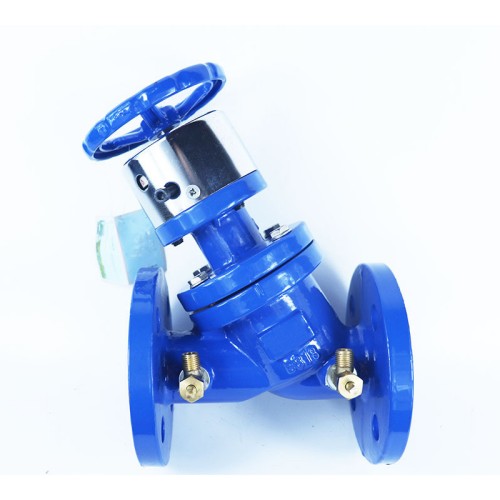

How To Balance A Balancing Valve?
Balancing a balancing valve involves adjusting the valve to ensure that the flow of fluid through the system is properly distributed. Here are the general steps for balancing a balancing valve:
1. Initial Setting: Begin by setting the balancing valve to its initial position, typically fully open or fully closed, depending on the specific valve design and the system requirements.
2. Measure Flow: Use flow measurement devices such as flow meters to determine the actual flow rates through different branches of the system. This step helps identify any imbalances in the flow distribution.
3. Adjust Valve Position: Based on the flow measurements, adjust the position of the balancing valve to regulate the flow through each branch of the system. This may involve partially opening or closing the valve to achieve the desired flow rates.
4. Verify and Fine-Tune: After adjusting the valve position, verify the flow rates again to ensure that the desired balance is achieved. Fine-tune the valve position as needed to achieve the specified flow distribution.
5. Repeat if Necessary: In complex systems or systems with changing operating conditions, the balancing process may need to be repeated periodically to maintain optimal flow balance.
Balancing a balancing valve is essential for ensuring that the flow of fluid through the system is evenly distributed, which helps optimize system performance, energy efficiency, and equipment longevity. Proper balancing also contributes to maintaining consistent temperatures and pressures throughout the system.












































































