


 አማርኛ
አማርኛ
 አፍሪካዊ
አፍሪካዊ
 አልበንያኛ
 አረብኛ
አረብኛ
 አርመንያኛ
 አዘርባጃኒ
 ባስክ
ባስክ
 ቤላሩሲያን
 ቤንጋሊ
ቤንጋሊ
 ቦስንያን
ቦስንያን
 ቡልጋርያኛ
 ካታሊያን
ካታሊያን
 ሴቡአኖ
ሴቡአኖ
 ኮርሲካን
ኮርሲካን
 ክሮኤሽያን
 ቼክ
ቼክ
 ዳኒሽ
ዳኒሽ
 ደች
ደች
 እንግሊዝኛ
 እስፔራንቶ
 ኢስቶኒያን
 ፊኒሽ
ፊኒሽ
 ፈረንሳይኛ
 ፍሪሲያን
ፍሪሲያን
 ጋላሺያን
ጋላሺያን
 ጆርጅያን
ጆርጅያን
 ጀርመንኛ
ጀርመንኛ
 ግሪክኛ
ግሪክኛ
 ጉጅራቲ
ጉጅራቲ
 ሓይቲያን ክሬኦሌ
 ሃውሳ
ሃውሳ
 ሐዋያን
ሐዋያን
 ሂብሩ
ሂብሩ
 አይደለም
አይደለም
 ሚያኦ
ሚያኦ
 ሃንጋሪያን
 አይስላንዲ ክ
 igbo
igbo
 ኢንዶኔዥያን
 አይሪሽ
አይሪሽ
 ጣሊያንኛ
ጣሊያንኛ
 ጃፓንኛ
ጃፓንኛ
 ጃቫኒስ
ጃቫኒስ
 ካናዳ
ካናዳ
 ካዛክሀ
ካዛክሀ
 ክመር
ክመር
 ሩዋንዳኛ
ሩዋንዳኛ
 ኮሪያኛ
ኮሪያኛ
 ኩርዲሽ
ኩርዲሽ
 ክይርግያዝ
 ቲቢ
ቲቢ
 ላቲን
ላቲን
 ላትቪያን
ላትቪያን
 ሊቱኒያን
ሊቱኒያን
 ሉክዜምብርጊሽ
 ማስዶንያን
 ማልጋሺ
ማልጋሺ
 ማላይ
ማላይ
 ማላያላም
ማላያላም
 ማልትስ
ማልትስ
 ማኦሪይ
ማኦሪይ
 ማራቲ
ማራቲ
 ሞኒጎሊያን
 ማይንማር
ማይንማር
 ኔፓሊ
ኔፓሊ
 ኖርወይኛ
ኖርወይኛ
 ኖርወይኛ
ኖርወይኛ
 ኦሲታን
ኦሲታን
 ፓሽቶ
ፓሽቶ
 ፐርሽያን
ፐርሽያን
 ፖሊሽ
ፖሊሽ
 ፖርቹጋልኛ
 ፑንጃቢ
ፑንጃቢ
 ሮማንያን
ሮማንያን
 ራሺያኛ
ራሺያኛ
 ሳሞአን
ሳሞአን
 ስኮትላንዳዊ ጌሊክ
 ሰሪቢያን
ሰሪቢያን
 እንግሊዝኛ
 ሾና
ሾና
 ስንድሂ
ስንድሂ
 ሲንሃላ
ሲንሃላ
 ስሎቫክ
ስሎቫክ
 ስሎቬንያን
 ሶማሊ
ሶማሊ
 ስፓንኛ
ስፓንኛ
 ሱዳናዊ
ሱዳናዊ
 ስዋሕሊ
ስዋሕሊ
 ስዊድንኛ
ስዊድንኛ
 ታንጋሎግ
ታንጋሎግ
 ታጂክ
ታጂክ
 ታሚል
ታሚል
 ታታር
ታታር
 ተሉጉ
ተሉጉ
 ታይ
ታይ
 ቱሪክሽ
ቱሪክሽ
 ቱሪክሜን
ቱሪክሜን
 ዩክሬንያን
 ኡርዱ
ኡርዱ
 ኡጉር
ኡጉር
 ኡዝቤክ
ኡዝቤክ
 ቪትናሜሴ
ቪትናሜሴ
 ዋልሽ
ዋልሽ
 እገዛ
እገዛ
 ዪዲሽ
ዪዲሽ
 ዮሩባ
ዮሩባ
 ዙሉ
ዙሉ


Balanced valve, also known as a balancing valve, is a type of valve used in fluid systems to regulate and control the flow of liquids or gases. It is designed to ensure that the flow rates through different branches of a piping system are properly balanced, meaning that the flow is evenly distributed according to the system's design requirements. Balanced valves are commonly used in hydronic heating and cooling systems, as well as in HVAC systems, to maintain optimal flow conditions and to achieve efficient and uniform distribution of the heating or cooling medium. These valves are available in various types, including globe valves, ball valves, and specialized balancing valves, each designed to provide precise flow control and balancing capabilities. The classification of balanced valves is based on factors such as the type of fluid being controlled, the pressure and temperature requirements, and the specific application within the fluid system. Proper selection and installation of balanced valves are essential for ensuring the overall performance, energy efficiency, and reliability of the fluid system.

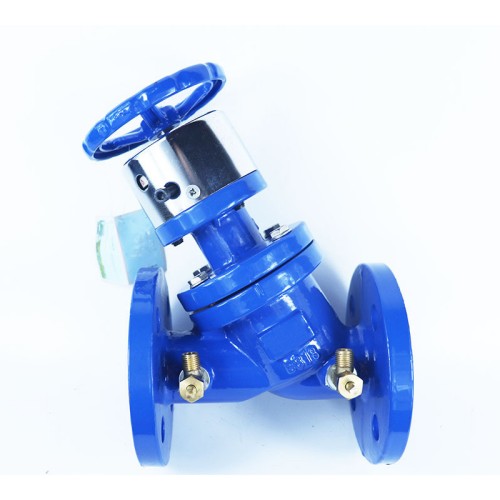

How To Balance A Balancing Valve?
Balancing a balancing valve involves adjusting the valve to ensure that the flow of fluid through the system is properly distributed. Here are the general steps for balancing a balancing valve:
1. Initial Setting: Begin by setting the balancing valve to its initial position, typically fully open or fully closed, depending on the specific valve design and the system requirements.
2. Measure Flow: Use flow measurement devices such as flow meters to determine the actual flow rates through different branches of the system. This step helps identify any imbalances in the flow distribution.
3. Adjust Valve Position: Based on the flow measurements, adjust the position of the balancing valve to regulate the flow through each branch of the system. This may involve partially opening or closing the valve to achieve the desired flow rates.
4. Verify and Fine-Tune: After adjusting the valve position, verify the flow rates again to ensure that the desired balance is achieved. Fine-tune the valve position as needed to achieve the specified flow distribution.
5. Repeat if Necessary: In complex systems or systems with changing operating conditions, the balancing process may need to be repeated periodically to maintain optimal flow balance.
Balancing a balancing valve is essential for ensuring that the flow of fluid through the system is evenly distributed, which helps optimize system performance, energy efficiency, and equipment longevity. Proper balancing also contributes to maintaining consistent temperatures and pressures throughout the system.












































































