


 slovenský
 africký
 albánsky
 amharčina
 arabčina
 arménsky
 azerbajdžanský
 baskický
 bieloruský
 bengálsky
 bosniansky
 bulharčina
 katalánsky
 Cebuano
 korzické
 chorvátsky
 český
český
 dánčina
 holandský
 Angličtina
 Esperanto
 estónsky
 fínsky
 francúzsky
 frízsky
 Haličský
 gruzínsky
 nemecký
 grécky
 Gudžarátčina
 haitská kreolčina
 hausa
hausa
 havajský
 hebrejčina
 nie
nie
 Miao
Miao
 maďarský
 islandský
 igbo
igbo
 indonézsky
 írsky
írsky
 taliansky
 japončina
 jávsky
 Kannada
 kazašský
 khmérsky
 Rwanda
 kórejský
 kurdský
 kirgizský
 TBC
TBC
 latinčina
 lotyšský
 litovský
 luxemburský
 macedónsky
 Malgashi
 malajčina
 malajálamčina
 maltčina
 Maori
Maori
 maráthčina
 mongolský
 Mjanmarsko
 nepálsky
 nórsky
 nórsky
 okcitánsky
 paštčina
 perzský
 poľský
 portugalčina
 pandžábsky
 rumunský
 ruský
ruský
 Samoan
 škótska galčina
 srbský
 Angličtina
 Shona
Shona
 Sindhi
 sinhálčina
 slovensky
 somálsky
 španielčina
 sundánsky
 svahilčina
 švédsky
 Tagalog
 tadžický
 tamilčina
 tatársky
 telugčina
 thajčina
 turecký
 turkménskym
 Ukrajinčina
 urdčina
 ujgurské
 uzbecký
 Vietnamci
 waleský
 Pomoc
Pomoc
 jidiš
jidiš
 Yoruba
 Zulu
Zulu


Balanced valve, also known as a balancing valve, is a type of valve used in fluid systems to regulate and control the flow of liquids or gases. It is designed to ensure that the flow rates through different branches of a piping system are properly balanced, meaning that the flow is evenly distributed according to the system's design requirements. Balanced valves are commonly used in hydronic heating and cooling systems, as well as in HVAC systems, to maintain optimal flow conditions and to achieve efficient and uniform distribution of the heating or cooling medium. These valves are available in various types, including globe valves, ball valves, and specialized balancing valves, each designed to provide precise flow control and balancing capabilities. The classification of balanced valves is based on factors such as the type of fluid being controlled, the pressure and temperature requirements, and the specific application within the fluid system. Proper selection and installation of balanced valves are essential for ensuring the overall performance, energy efficiency, and reliability of the fluid system.

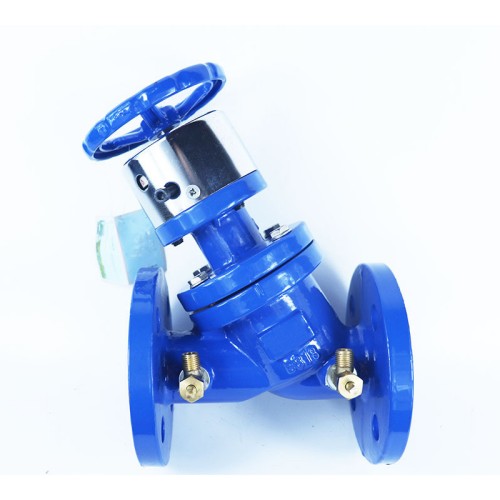

How To Balance A Balancing Valve?
Balancing a balancing valve involves adjusting the valve to ensure that the flow of fluid through the system is properly distributed. Here are the general steps for balancing a balancing valve:
1. Initial Setting: Begin by setting the balancing valve to its initial position, typically fully open or fully closed, depending on the specific valve design and the system requirements.
2. Measure Flow: Use flow measurement devices such as flow meters to determine the actual flow rates through different branches of the system. This step helps identify any imbalances in the flow distribution.
3. Adjust Valve Position: Based on the flow measurements, adjust the position of the balancing valve to regulate the flow through each branch of the system. This may involve partially opening or closing the valve to achieve the desired flow rates.
4. Verify and Fine-Tune: After adjusting the valve position, verify the flow rates again to ensure that the desired balance is achieved. Fine-tune the valve position as needed to achieve the specified flow distribution.
5. Repeat if Necessary: In complex systems or systems with changing operating conditions, the balancing process may need to be repeated periodically to maintain optimal flow balance.
Balancing a balancing valve is essential for ensuring that the flow of fluid through the system is evenly distributed, which helps optimize system performance, energy efficiency, and equipment longevity. Proper balancing also contributes to maintaining consistent temperatures and pressures throughout the system.












































































