


 Português
 africano
 albanês
 amárico
 árabe
árabe
 Armênio
 Azerbaijano
 Basco
Basco
 Bielorrusso
 bengali
 Bósnio
 búlgaro
 catalão
 Cebuano
 Córsega
 croata
 Tcheco
 dinamarquês
 Holandês
 Inglês
 esperanto
 estoniano
 finlandês
 Francês
 Frísio
 Galego
 Georgiano
 Alemão
 grego
grego
 Gujarati
 crioulo haitiano
 hausa
hausa
 havaiano
 hebraico
 Não
Não
 Miao
Miao
 húngaro
 islandês
 igbo
igbo
 indonésio
 irlandês
 italiano
 japonês
 Javanês
 Kannada
 cazaque
 Khmer
Khmer
 Ruanda
 coreano
 curdo
curdo
 Quirguistão
 tb
tb
 Latim
Latim
 letão
letão
 lituano
 Luxemburguês
 Macedônio
 malgashi
 malaio
 malaiala
 maltês
 maori
maori
 Marathi
 mongol
 Mianmar
 nepalês
 norueguês
 norueguês
 Occitano
 pashto
 persa
persa
 polonês
 punjabi
 romena
 russo
russo
 samoano
 gaélico escocês
 sérvio
 Inglês
 Shona
Shona
 Sindi
Sindi
 Cingalês
 Eslovaco
 esloveno
 somali
 Espanhol
 Sudanês
 suaíli
 sueco
sueco
 tagalo
 tadjique
 tâmil
tâmil
 Tártaro
 Telugu
 tailandês
 turco
turco
 turcomano
 ucraniano
 urdu
urdu
 Uigur
Uigur
 Usbeque
 vietnamita
 galês
galês
 Ajuda
Ajuda
 iídiche
 Iorubá
 zulu
zulu


Balanced valve, also known as a balancing valve, is a type of valve used in fluid systems to regulate and control the flow of liquids or gases. It is designed to ensure that the flow rates through different branches of a piping system are properly balanced, meaning that the flow is evenly distributed according to the system's design requirements. Balanced valves are commonly used in hydronic heating and cooling systems, as well as in HVAC systems, to maintain optimal flow conditions and to achieve efficient and uniform distribution of the heating or cooling medium. These valves are available in various types, including globe valves, ball valves, and specialized balancing valves, each designed to provide precise flow control and balancing capabilities. The classification of balanced valves is based on factors such as the type of fluid being controlled, the pressure and temperature requirements, and the specific application within the fluid system. Proper selection and installation of balanced valves are essential for ensuring the overall performance, energy efficiency, and reliability of the fluid system.

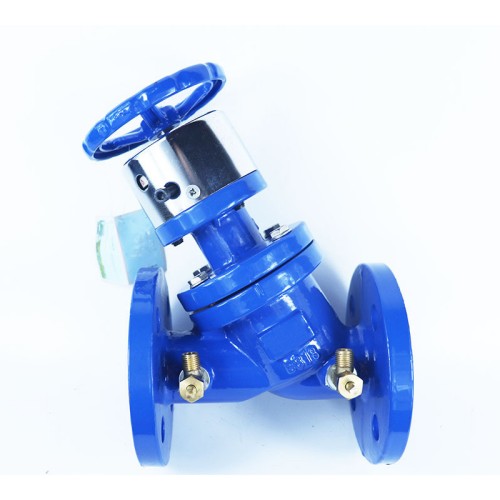

How To Balance A Balancing Valve?
Balancing a balancing valve involves adjusting the valve to ensure that the flow of fluid through the system is properly distributed. Here are the general steps for balancing a balancing valve:
1. Initial Setting: Begin by setting the balancing valve to its initial position, typically fully open or fully closed, depending on the specific valve design and the system requirements.
2. Measure Flow: Use flow measurement devices such as flow meters to determine the actual flow rates through different branches of the system. This step helps identify any imbalances in the flow distribution.
3. Adjust Valve Position: Based on the flow measurements, adjust the position of the balancing valve to regulate the flow through each branch of the system. This may involve partially opening or closing the valve to achieve the desired flow rates.
4. Verify and Fine-Tune: After adjusting the valve position, verify the flow rates again to ensure that the desired balance is achieved. Fine-tune the valve position as needed to achieve the specified flow distribution.
5. Repeat if Necessary: In complex systems or systems with changing operating conditions, the balancing process may need to be repeated periodically to maintain optimal flow balance.
Balancing a balancing valve is essential for ensuring that the flow of fluid through the system is evenly distributed, which helps optimize system performance, energy efficiency, and equipment longevity. Proper balancing also contributes to maintaining consistent temperatures and pressures throughout the system.












































































