


 Português
 africano
 albanês
 amárico
 árabe
árabe
 Armênio
 Azerbaijano
 Basco
Basco
 Bielorrusso
 bengali
 Bósnio
 búlgaro
 catalão
 Cebuano
 Córsega
 croata
 Tcheco
 dinamarquês
 Holandês
 Inglês
 esperanto
 estoniano
 finlandês
 Francês
 Frísio
 Galego
 Georgiano
 Alemão
 grego
grego
 Gujarati
 crioulo haitiano
 hausa
hausa
 havaiano
 hebraico
 Não
Não
 Miao
Miao
 húngaro
 islandês
 igbo
igbo
 indonésio
 irlandês
 italiano
 japonês
 Javanês
 Kannada
 cazaque
 Khmer
Khmer
 Ruanda
 coreano
 curdo
curdo
 Quirguistão
 tb
tb
 Latim
Latim
 letão
letão
 lituano
 Luxemburguês
 Macedônio
 malgashi
 malaio
 malaiala
 maltês
 maori
maori
 Marathi
 mongol
 Mianmar
 nepalês
 norueguês
 norueguês
 Occitano
 pashto
 persa
persa
 polonês
 punjabi
 romena
 russo
russo
 samoano
 gaélico escocês
 sérvio
 Inglês
 Shona
Shona
 Sindi
Sindi
 Cingalês
 Eslovaco
 esloveno
 somali
 Espanhol
 Sudanês
 suaíli
 sueco
sueco
 tagalo
 tadjique
 tâmil
tâmil
 Tártaro
 Telugu
 tailandês
 turco
turco
 turcomano
 ucraniano
 urdu
urdu
 Uigur
Uigur
 Usbeque
 vietnamita
 galês
galês
 Ajuda
Ajuda
 iídiche
 Iorubá
 zulu
zulu


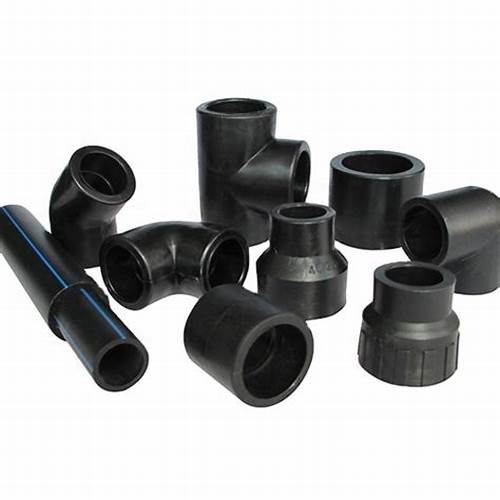
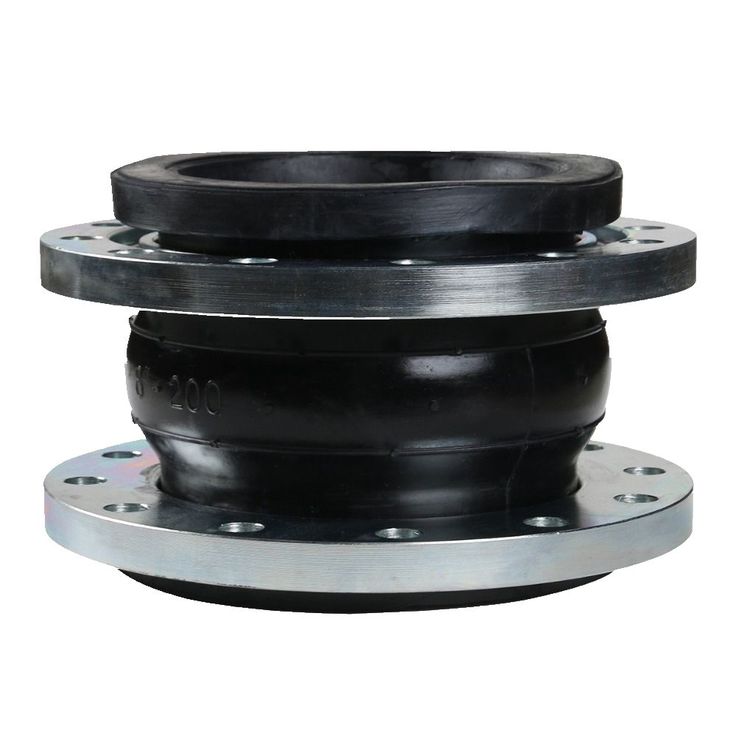
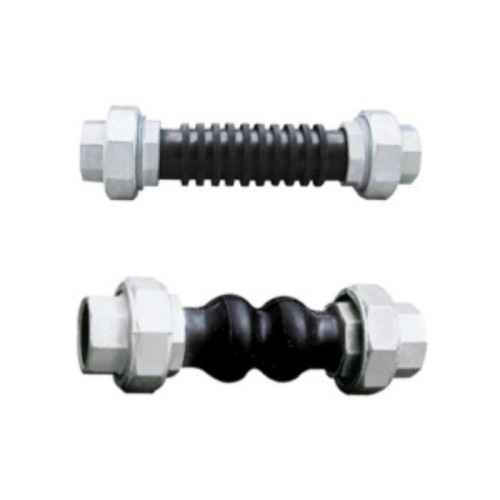
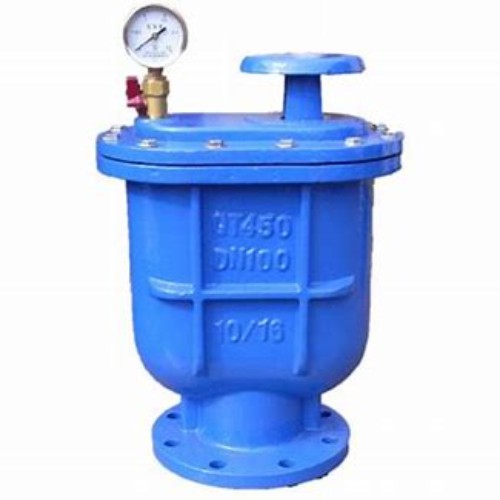
Pipe and pipe fittings are essential components in fluid conveyance systems, serving to transport liquids, gases, and solids in various industrial and commercial applications. Pipes are typically categorized based on their material composition, such as steel, copper, PVC, or other alloys, and are available in different sizes and pressure ratings to accommodate diverse operational requirements. Common types of pipes include seamless pipes, welded pipes, and ductile iron pipes, each offering specific advantages in terms of strength, corrosion resistance, and cost-effectiveness.Pipe fittings, on the other hand, are used to connect, control, and redirect the flow of fluids within the piping system. They come in a wide range of shapes, sizes, and materials to facilitate diverse functions, including elbows, tees, reducers, couplings, and valves. These fittings are crucial for ensuring proper alignment, sealing, and flow control within the piping network, and they are often designed to withstand high pressures, extreme temperatures, and corrosive environments.The selection of pipes and fittings depends on factors such as the nature of the conveyed fluid, operating conditions, system design, and regulatory requirements. Proper installation and maintenance of pipes and fittings are essential to ensure the integrity and efficiency of the fluid conveyance system.

What Is The Difference Between A Pipe And A Fitting?
The main difference between a pipe and a fitting lies in their respective functions within a fluid conveyance system. A pipe is a tubular structure used to transport fluids, gases, or solids from one point to another. It serves as the main conduit for the flow of the substance and is available in various materials, sizes, and pressure ratings to accommodate different operational requirements. Pipes are typically designed to withstand the pressure, temperature, and corrosive nature of the conveyed substance.
On the other hand, a fitting is a component used to connect, control, or adapt the flow within the piping system. Fittings come in a variety of shapes, sizes, and materials and are essential for joining pipes together, changing the direction of flow, regulating the flow rate, or terminating the pipe run. Common types of fittings include elbows, tees, reducers, couplings, and valves, each serving a specific purpose in the fluid conveyance system.In summary, while pipes serve as the primary channels for fluid transport, fittings are auxiliary components that facilitate the proper alignment, connection, and control of the flow within the piping network. Both pipes and fittings are integral to the efficient and safe operation of fluid conveyance systems, and their selection and installation are crucial for ensuring system integrity and performance.












































































