


 Cymraeg
 Affricanaidd
 Albaneg
 Amhareg
 Arabeg
 Armenaidd
 Azerbaijani
 Basgeg
 Belarwseg
 Bengali
 Bosnieg
 Bwlgareg
 Catalaneg
 Cebuano
 Corseg
 Croateg
 Tsiec
Tsiec
 Daneg
Daneg
 Iseldireg
 Saesneg
 Esperanto
 Estoneg
 Ffinneg
 Ffrangeg
 Ffriseg
 Galiseg
 Sioraidd
 Almaeneg
 Groeg
Groeg
 Gwjarati
 Creol Haitaidd
 hausa
hausa
 hawaiian
 Hebraeg
 Naddo
Naddo
 Miao
Miao
 Hwngareg
 Islandeg
 igbo
igbo
 Indoneseg
 gwyddelig
 Eidaleg
 Japaneaidd
 Jafaneg
 Kannada
 kazakh
 Khmer
Khmer
 Rwanda
 Corëeg
 Cwrdaidd
 Kyrgyz
 TB
TB
 Lladin
 Latfieg
 Lithwaneg
 Lwcsembwrgaidd
 Macedoneg
 Malgashi
 Maleieg
 Malayalam
 Malteg
 Maori
Maori
 Marathi
 Mongoleg
 Myanmar
 Nepali
 Norwyaidd
 Norwyaidd
 Ocsitaneg
 Pashto
 Perseg
 Pwyleg
 Portiwgaleg
 Pwnjabi
 Rwmania
 Rwsiaidd
 Samoaidd
 Gaeleg yr Alban
 Serbeg
 Saesneg
 Shona
Shona
 Sindhi
 Sinhala
 Slofaceg
 Slofeneg
 Somalïaidd
 Sbaeneg
 Sundanaidd
 Swahili
 Swedeg
 Tagalog
 Tajiceg
 Tamil
Tamil
 Tatar
Tatar
 Telugu
 Thai
Thai
 Twrceg
 Tyrcmeniaid
 Wcrain
 Wrdw
Wrdw
 Uighur
 Wsbeceg
 Fietnameg
 Help
Help
 Iddeweg
 Iorwba
 Zwlw
Zwlw


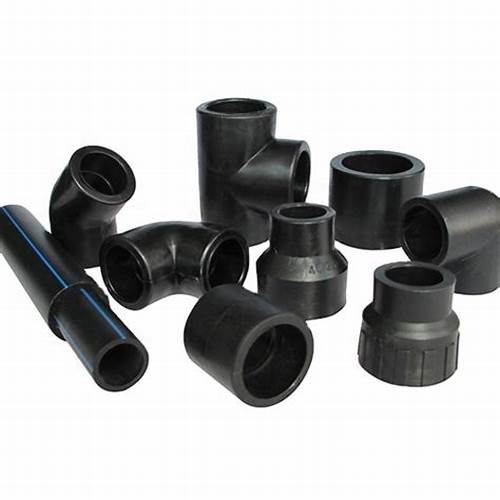
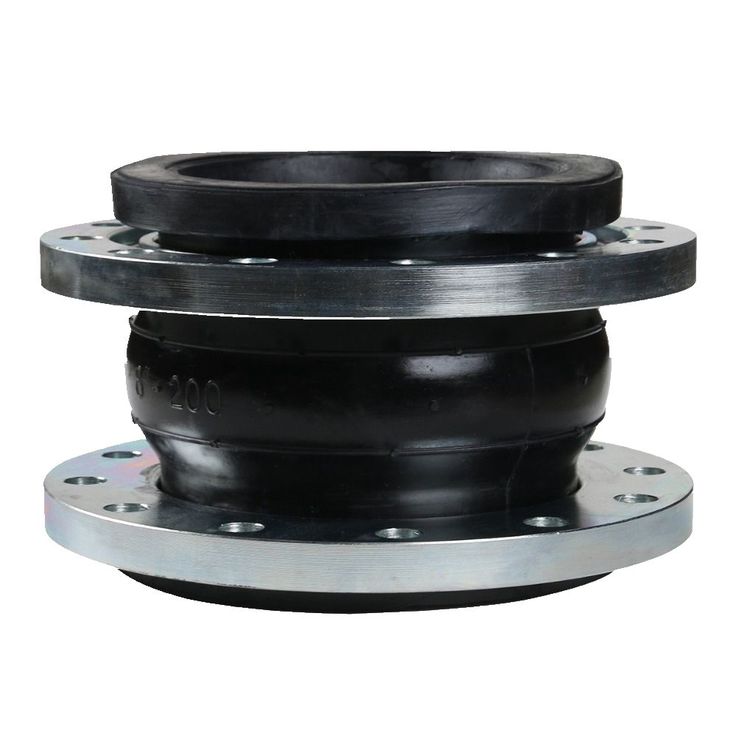
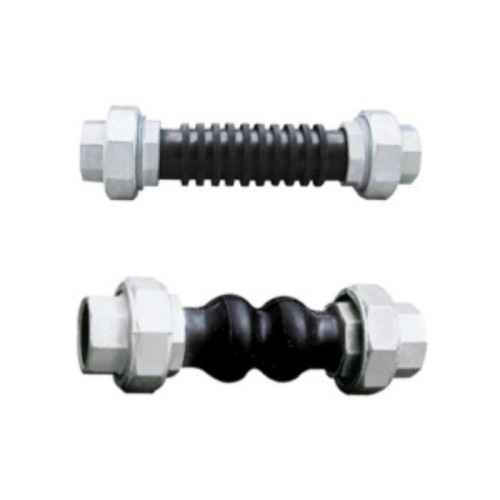
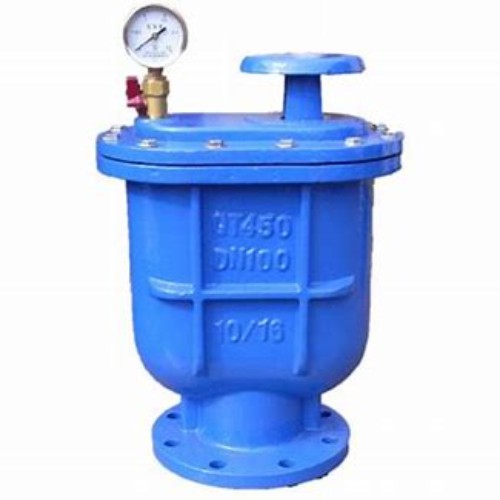
Pipe and pipe fittings are essential components in fluid conveyance systems, serving to transport liquids, gases, and solids in various industrial and commercial applications. Pipes are typically categorized based on their material composition, such as steel, copper, PVC, or other alloys, and are available in different sizes and pressure ratings to accommodate diverse operational requirements. Common types of pipes include seamless pipes, welded pipes, and ductile iron pipes, each offering specific advantages in terms of strength, corrosion resistance, and cost-effectiveness.Pipe fittings, on the other hand, are used to connect, control, and redirect the flow of fluids within the piping system. They come in a wide range of shapes, sizes, and materials to facilitate diverse functions, including elbows, tees, reducers, couplings, and valves. These fittings are crucial for ensuring proper alignment, sealing, and flow control within the piping network, and they are often designed to withstand high pressures, extreme temperatures, and corrosive environments.The selection of pipes and fittings depends on factors such as the nature of the conveyed fluid, operating conditions, system design, and regulatory requirements. Proper installation and maintenance of pipes and fittings are essential to ensure the integrity and efficiency of the fluid conveyance system.

What Is The Difference Between A Pipe And A Fitting?
The main difference between a pipe and a fitting lies in their respective functions within a fluid conveyance system. A pipe is a tubular structure used to transport fluids, gases, or solids from one point to another. It serves as the main conduit for the flow of the substance and is available in various materials, sizes, and pressure ratings to accommodate different operational requirements. Pipes are typically designed to withstand the pressure, temperature, and corrosive nature of the conveyed substance.
On the other hand, a fitting is a component used to connect, control, or adapt the flow within the piping system. Fittings come in a variety of shapes, sizes, and materials and are essential for joining pipes together, changing the direction of flow, regulating the flow rate, or terminating the pipe run. Common types of fittings include elbows, tees, reducers, couplings, and valves, each serving a specific purpose in the fluid conveyance system.In summary, while pipes serve as the primary channels for fluid transport, fittings are auxiliary components that facilitate the proper alignment, connection, and control of the flow within the piping network. Both pipes and fittings are integral to the efficient and safe operation of fluid conveyance systems, and their selection and installation are crucial for ensuring system integrity and performance.












































































