


 galego
 africano
 albanés
 amárico
 árabe
árabe
 armenio
 azerbaiyano
 vasco
vasco
 bielorruso
 bengalí
 bosníaco
 búlgaro
 catalán
 Cebuano
 corso
corso
 croata
 checo
checo
 danés
danés
 holandés
 inglés
 Esperanto
 Estonio
 finés
finés
 francés
 frisona
 xeorxiano
 alemán
 grego
grego
 Gujarati
 crioulo haitiano
 hausa
hausa
 hawaiano
 hebreo
 non
non
 Miao
Miao
 húngaro
 islandés
 igbo
igbo
 indonesio
 irlandesa
 italiano
 xaponés
 xavanés
 Kannada
 casco
casco
 Khmer
Khmer
 Ruandés
 coreano
 kurdo
kurdo
 Kirguises
 TB
TB
 latín
latín
 letón
letón
 lituano
 luxemburgués
 macedonio
 Malgashi
 malaio
 malayalam
 maltés
 maorí
maorí
 Marathi
 mongol
 Myanmar
 nepalí
 noruegués
 noruegués
 occitano
 Pashto
 persa
persa
 polaco
 portugués
 Punjabi
 romanés
 ruso
ruso
 samoano
 Gaélico escocés
 serbio
 inglés
 Shona
Shona
 Sindhi
 cingalés
 eslovaco
 esloveno
 somalí
 español
 sundanés
 suahili
 sueco
sueco
 Tagalo
 taxico
 Tamil
Tamil
 tártaro
 Telugu
 tailandés
 turco
turco
 turcomano
 ucraíno
 Urdú
Urdú
 uigur
uigur
 uzbeco
 vietnamita
 galés
galés
 Axuda
Axuda
 yiddish
 ioruba
 Zulú
Zulú


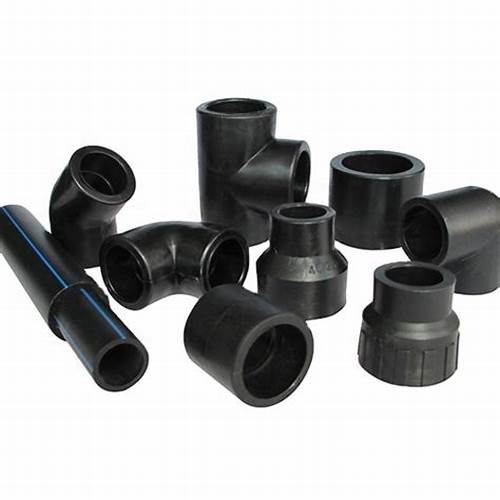
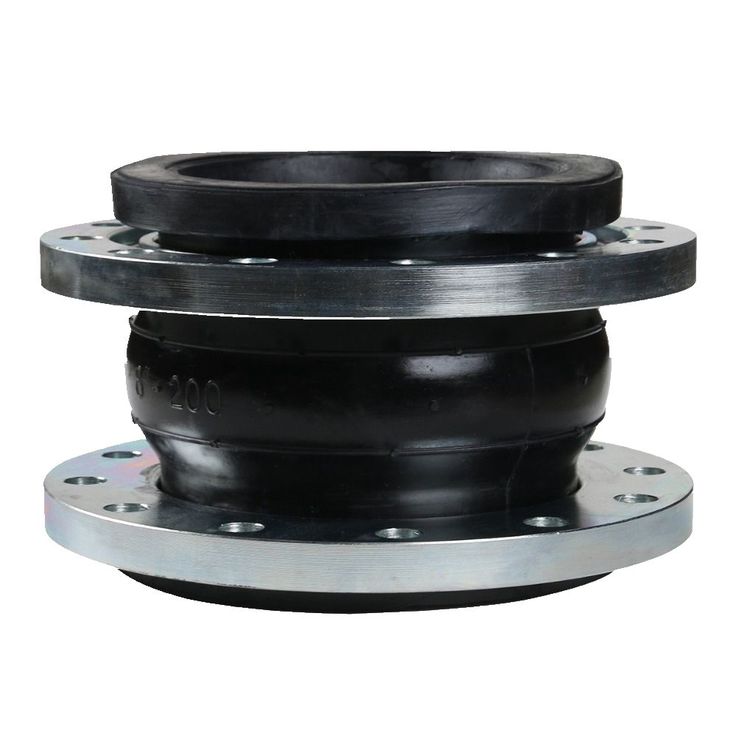
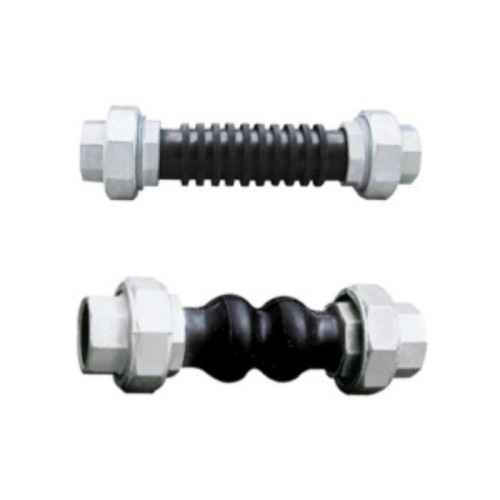
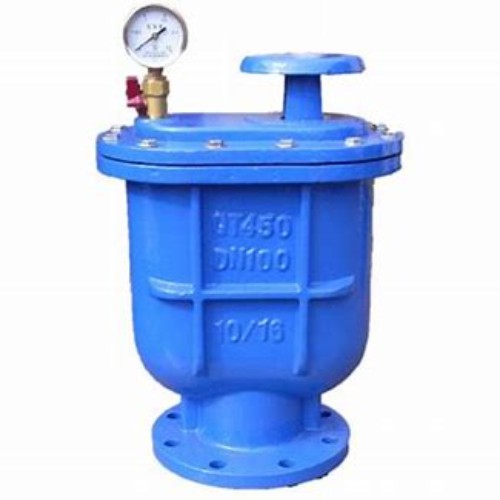
Pipe and pipe fittings are essential components in fluid conveyance systems, serving to transport liquids, gases, and solids in various industrial and commercial applications. Pipes are typically categorized based on their material composition, such as steel, copper, PVC, or other alloys, and are available in different sizes and pressure ratings to accommodate diverse operational requirements. Common types of pipes include seamless pipes, welded pipes, and ductile iron pipes, each offering specific advantages in terms of strength, corrosion resistance, and cost-effectiveness.Pipe fittings, on the other hand, are used to connect, control, and redirect the flow of fluids within the piping system. They come in a wide range of shapes, sizes, and materials to facilitate diverse functions, including elbows, tees, reducers, couplings, and valves. These fittings are crucial for ensuring proper alignment, sealing, and flow control within the piping network, and they are often designed to withstand high pressures, extreme temperatures, and corrosive environments.The selection of pipes and fittings depends on factors such as the nature of the conveyed fluid, operating conditions, system design, and regulatory requirements. Proper installation and maintenance of pipes and fittings are essential to ensure the integrity and efficiency of the fluid conveyance system.

What Is The Difference Between A Pipe And A Fitting?
The main difference between a pipe and a fitting lies in their respective functions within a fluid conveyance system. A pipe is a tubular structure used to transport fluids, gases, or solids from one point to another. It serves as the main conduit for the flow of the substance and is available in various materials, sizes, and pressure ratings to accommodate different operational requirements. Pipes are typically designed to withstand the pressure, temperature, and corrosive nature of the conveyed substance.
On the other hand, a fitting is a component used to connect, control, or adapt the flow within the piping system. Fittings come in a variety of shapes, sizes, and materials and are essential for joining pipes together, changing the direction of flow, regulating the flow rate, or terminating the pipe run. Common types of fittings include elbows, tees, reducers, couplings, and valves, each serving a specific purpose in the fluid conveyance system.In summary, while pipes serve as the primary channels for fluid transport, fittings are auxiliary components that facilitate the proper alignment, connection, and control of the flow within the piping network. Both pipes and fittings are integral to the efficient and safe operation of fluid conveyance systems, and their selection and installation are crucial for ensuring system integrity and performance.












































































