


 Tiếng Việt
 Người châu Phi
 tiếng Albania
 tiếng Amharic
 tiếng Ả Rập
 tiếng Armenia
 Tiếng Azerbaijan
 Tiếng Basque
 Người Belarus
 tiếng Bengali
 tiếng Bosnia
 tiếng Bungari
 tiếng Catalan
 Cebuano
 Corsican
 tiếng Croatia
 tiếng Séc
 người Đan Mạch
 tiếng Hà Lan
 Tiếng Anh
 Quốc tế ngữ
 tiếng Estonia
 tiếng Phần Lan
 người Pháp
 tiếng Frisia
 tiếng Galicia
 tiếng Gruzia
 tiếng Đức
 người Hy Lạp
 Gujarati
 Tiếng Creole Haiti
 hausa
hausa
 người Hawaii
 tiếng Do Thái
 Không
Không
 Miêu
Miêu
 người Hungary
 tiếng Iceland
 igbo
igbo
 tiếng Indonesia
 người Ailen
 người Ý
 tiếng Nhật
 tiếng Java
 tiếng Kannada
 kazakh
 tiếng Khmer
 người Rwanda
 Hàn Quốc
 người Kurd
 Tiếng Kyrgyzstan
 Lao
Lao
 Latin
Latin
 tiếng Latvia
 tiếng Litva
 Tiếng Luxembourg
 Tiếng Macedonia
 Malgashi
 Mã Lai
 Mã Lai
 cây nho
 người Maori
 Tiếng Marathi
 tiếng Mông Cổ
 Myanmar
 tiếng Nepal
 người Na Uy
 người Na Uy
 tiếng Occitan
 Tiếng Pa-tô
 tiếng Ba Tư
 Đánh bóng
 tiếng Bồ Đào Nha
 Tiếng Punjab
 người Rumani
 tiếng Nga
 Tiếng Samoa
 Tiếng Gaelic của Scotland
 tiếng Serbia
 Tiếng Anh
 Shona
Shona
 tiếng Sindhi
 Sinhala
 Tiếng Slovak
 tiếng Slovenia
 tiếng Somali
 người Tây Ban Nha
 Tiếng Sundan
 tiếng Swahili
 tiếng Thụy Điển
 Tagalog
 Tiếng Tajik
 Tiếng Tamil
 Tatar
Tatar
 tiếng Telugu
 tiếng Thái
 tiếng Thổ Nhĩ Kỳ
 người Thổ Nhĩ Kỳ
 tiếng Ukraina
 tiếng Urdu
 người Duy Ngô Nhĩ
 tiếng Uzbek
 người xứ Wales
 Giúp đỡ
 tiếng Yiddish
 Yoruba
 Zulu
Zulu


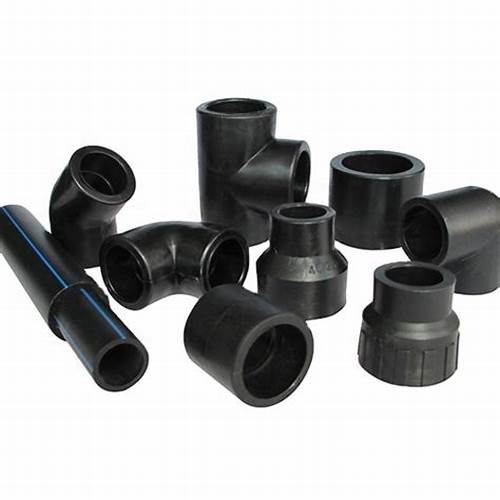
Pipe and pipe fittings are essential components in fluid conveyance systems, serving to transport liquids, gases, and solids in various industrial and commercial applications. Pipes are typically categorized based on their material composition, such as steel, copper, PVC, or other alloys, and are available in different sizes and pressure ratings to accommodate diverse operational requirements. Common types of pipes include seamless pipes, welded pipes, and ductile iron pipes, each offering specific advantages in terms of strength, corrosion resistance, and cost-effectiveness.Pipe fittings, on the other hand, are used to connect, control, and redirect the flow of fluids within the piping system. They come in a wide range of shapes, sizes, and materials to facilitate diverse functions, including elbows, tees, reducers, couplings, and valves. These fittings are crucial for ensuring proper alignment, sealing, and flow control within the piping network, and they are often designed to withstand high pressures, extreme temperatures, and corrosive environments.The selection of pipes and fittings depends on factors such as the nature of the conveyed fluid, operating conditions, system design, and regulatory requirements. Proper installation and maintenance of pipes and fittings are essential to ensure the integrity and efficiency of the fluid conveyance system.

What Is The Difference Between A Pipe And A Fitting?
The main difference between a pipe and a fitting lies in their respective functions within a fluid conveyance system. A pipe is a tubular structure used to transport fluids, gases, or solids from one point to another. It serves as the main conduit for the flow of the substance and is available in various materials, sizes, and pressure ratings to accommodate different operational requirements. Pipes are typically designed to withstand the pressure, temperature, and corrosive nature of the conveyed substance.
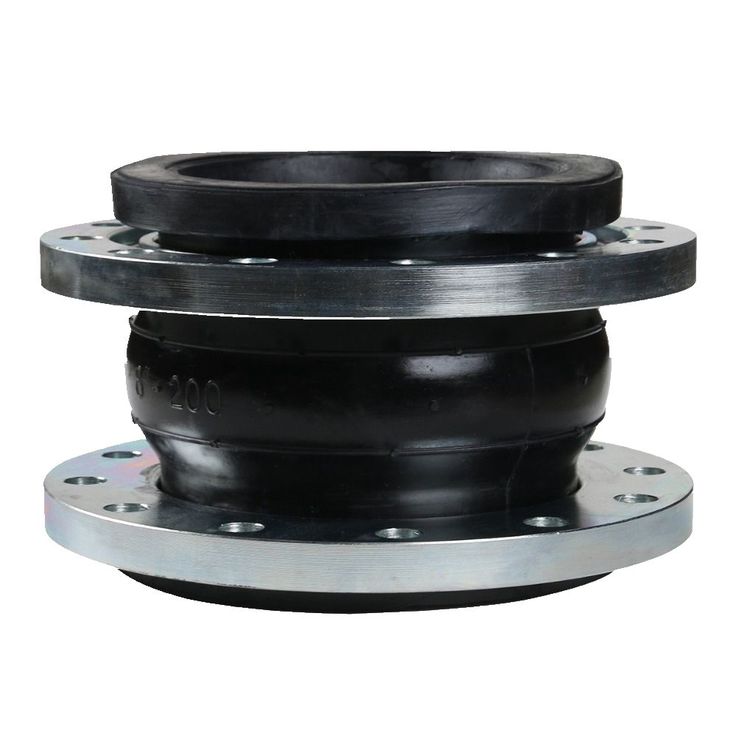
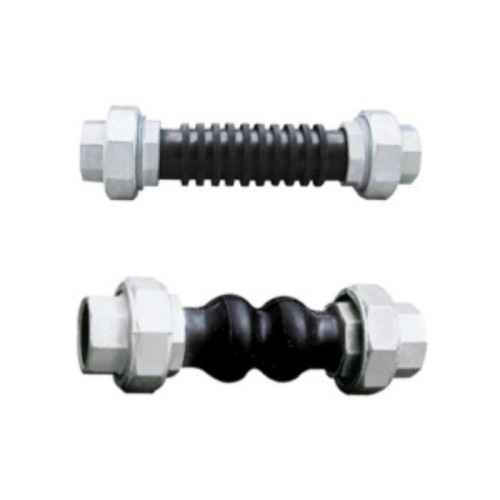
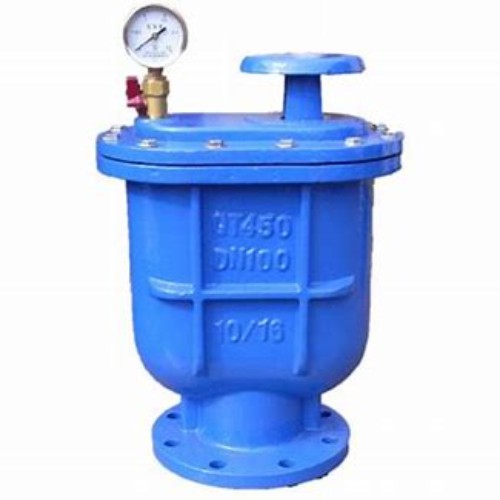
On the other hand, a fitting is a component used to connect, control, or adapt the flow within the piping system. Fittings come in a variety of shapes, sizes, and materials and are essential for joining pipes together, changing the direction of flow, regulating the flow rate, or terminating the pipe run. Common types of fittings include elbows, tees, reducers, couplings, and valves, each serving a specific purpose in the fluid conveyance system.In summary, while pipes serve as the primary channels for fluid transport, fittings are auxiliary components that facilitate the proper alignment, connection, and control of the flow within the piping network. Both pipes and fittings are integral to the efficient and safe operation of fluid conveyance systems, and their selection and installation are crucial for ensuring system integrity and performance.












































































