


 Cymraeg
 Affricanaidd
 Albaneg
 Amhareg
 Arabeg
 Armenaidd
 Azerbaijani
 Basgeg
 Belarwseg
 Bengali
 Bosnieg
 Bwlgareg
 Catalaneg
 Cebuano
 Corseg
 Croateg
 Tsiec
Tsiec
 Daneg
Daneg
 Iseldireg
 Saesneg
 Esperanto
 Estoneg
 Ffinneg
 Ffrangeg
 Ffriseg
 Galiseg
 Sioraidd
 Almaeneg
 Groeg
Groeg
 Gwjarati
 Creol Haitaidd
 hausa
hausa
 hawaiian
 Hebraeg
 Naddo
Naddo
 Miao
Miao
 Hwngareg
 Islandeg
 igbo
igbo
 Indoneseg
 gwyddelig
 Eidaleg
 Japaneaidd
 Jafaneg
 Kannada
 kazakh
 Khmer
Khmer
 Rwanda
 Corëeg
 Cwrdaidd
 Kyrgyz
 TB
TB
 Lladin
 Latfieg
 Lithwaneg
 Lwcsembwrgaidd
 Macedoneg
 Malgashi
 Maleieg
 Malayalam
 Malteg
 Maori
Maori
 Marathi
 Mongoleg
 Myanmar
 Nepali
 Norwyaidd
 Norwyaidd
 Ocsitaneg
 Pashto
 Perseg
 Pwyleg
 Portiwgaleg
 Pwnjabi
 Rwmania
 Rwsiaidd
 Samoaidd
 Gaeleg yr Alban
 Serbeg
 Saesneg
 Shona
Shona
 Sindhi
 Sinhala
 Slofaceg
 Slofeneg
 Somalïaidd
 Sbaeneg
 Sundanaidd
 Swahili
 Swedeg
 Tagalog
 Tajiceg
 Tamil
Tamil
 Tatar
Tatar
 Telugu
 Thai
Thai
 Twrceg
 Tyrcmeniaid
 Wcrain
 Wrdw
Wrdw
 Uighur
 Wsbeceg
 Fietnameg
 Help
Help
 Iddeweg
 Iorwba
 Zwlw
Zwlw


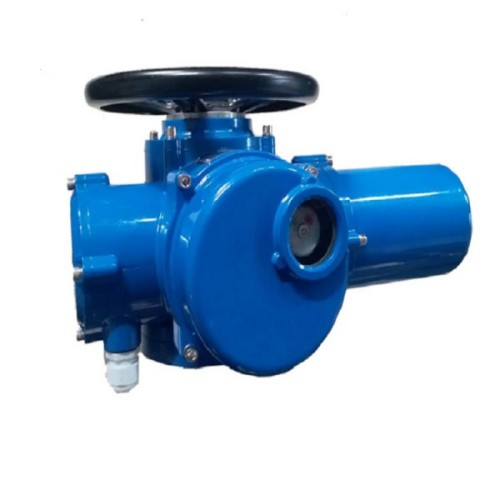
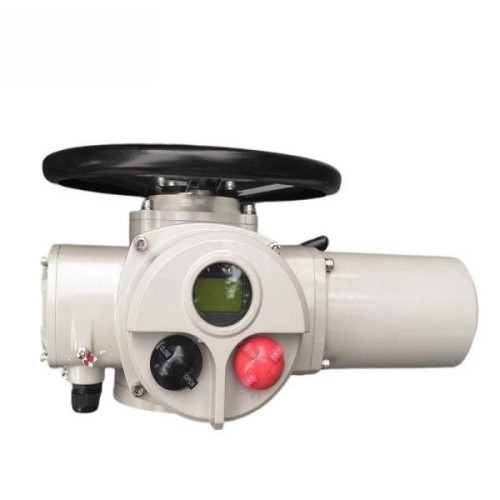
Electric actuators are devices used to control the operation of valves, dampers, and other mechanical systems by converting electrical energy into mechanical motion. They can be classified into several types based on their design, functionality, and application:
1. Multi-Turn Electric Actuators: These actuators are designed to provide rotational movement over multiple turns, making them suitable for applications that require precise and continuous positioning, such as gate valves and globe valves. They are often used in industrial settings where accurate control of fluid flow is essential.
2. Quarter-Turn Electric Actuators: Quarter-turn actuators are designed to provide rotational movement over a 90-degree angle, making them ideal for applications that require on/off or modulating control, such as ball valves and butterfly valves. They are commonly used in various industries for quick and efficient valve operation.
3. Electric Actuator with Fail-Safe Function: Some electric actuators are equipped with fail-safe features, such as spring-return mechanisms or battery backup, to ensure that the valve or damper returns to a safe position in the event of a power failure or system malfunction.
Electric actuators play a critical role in automating and controlling various industrial processes, and the selection of the appropriate type depends on factors such as the valve or damper application, torque or thrust requirements, control system compatibility, and safety considerations. Proper installation and maintenance of electric actuators are essential to ensure reliable and efficient operation within the mechanical system.
What Is An Actuator Used For?
Actuator is used to convert energy into mechanical motion, allowing it to control the operation of various mechanical systems. Actuators are commonly employed to automate the movement of valves, dampers, and other equipment in industrial, commercial, and residential settings. They play a crucial role in regulating the flow of fluids, gases, and other substances within piping systems, as well as in controlling the positioning of mechanical components. Actuators are also utilized in applications such as robotics, manufacturing machinery, HVAC systems, and automotive systems to enable precise and controlled movement. By converting energy into mechanical force, actuators facilitate the efficient operation and automation of a wide range of mechanical processes, contributing to improved system performance, safety, and reliability.












































































