


 shqiptare
 afrikane
 amharike
 arabisht
 armene
 Azerbajxhani
 bask
bask
 bjellorusisht
 Bengalisht
 boshnjake
 bullgare
 katalanas
 Cebuano
 korsikane
 kroate
 çeke
çeke
 daneze
 holandeze
 anglisht
 Esperanto
 estoneze
 finlandez
 frëngjisht
 frizianisht
 Galician
 gjeorgjiane
 gjermanisht
 greke
greke
 guxharatisht
 Kreole Haitiane
 hausa
hausa
 hawajiane
 hebraishtja
 Jo
Jo
 Miao
Miao
 hungareze
 islandeze
 igbo
igbo
 indonezisht
 irlandeze
 italisht
 japoneze
 javaneze
 kanadeze
 kazakisht
 Khmer
Khmer
 Ruanda
 koreane
 kurde
kurde
 Kirgize
 TB
TB
 latinisht
 Letonisht
 Lituanisht
 luksemburgase
 maqedonase
 Malgashi
 Malay
Malay
 malajalamisht
 malteze
 Maori
Maori
 Marathi
 mongolisht
 Mianmar
 nepalisht
 norvegjeze
 norvegjeze
 Oksitan
 Pashto
 persisht
 polonisht
 portugeze
 Punjabi
 rumun
rumun
 rusisht
 Samoan
 gaelishte skoceze
 serb
serb
 anglisht
 Shona
Shona
 Sindhi
 sinhalisht
 sllovake
 slloven
 somalez
 Spanjisht
 sundanez
 Suahili
 suedeze
 Tagalogisht
 Taxhikisht
 tamile
 tatar
tatar
 telugu
 Thai
Thai
 turk
turk
 turkmen
 ukrainase
 urdu
urdu
 ujgure
 Uzbekistani
 vietnameze
 Uellsisht
 Ndihmë
 Jidish
 Jorubisht
 Zulu
Zulu


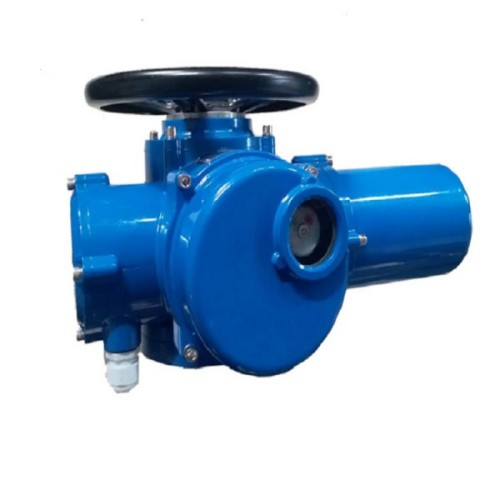
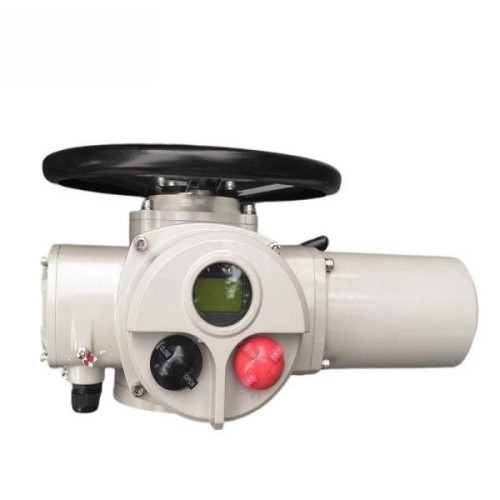
Electric actuators are devices used to control the operation of valves, dampers, and other mechanical systems by converting electrical energy into mechanical motion. They can be classified into several types based on their design, functionality, and application:
1. Multi-Turn Electric Actuators: These actuators are designed to provide rotational movement over multiple turns, making them suitable for applications that require precise and continuous positioning, such as gate valves and globe valves. They are often used in industrial settings where accurate control of fluid flow is essential.
2. Quarter-Turn Electric Actuators: Quarter-turn actuators are designed to provide rotational movement over a 90-degree angle, making them ideal for applications that require on/off or modulating control, such as ball valves and butterfly valves. They are commonly used in various industries for quick and efficient valve operation.
3. Electric Actuator with Fail-Safe Function: Some electric actuators are equipped with fail-safe features, such as spring-return mechanisms or battery backup, to ensure that the valve or damper returns to a safe position in the event of a power failure or system malfunction.
Electric actuators play a critical role in automating and controlling various industrial processes, and the selection of the appropriate type depends on factors such as the valve or damper application, torque or thrust requirements, control system compatibility, and safety considerations. Proper installation and maintenance of electric actuators are essential to ensure reliable and efficient operation within the mechanical system.
What Is An Actuator Used For?
Actuator is used to convert energy into mechanical motion, allowing it to control the operation of various mechanical systems. Actuators are commonly employed to automate the movement of valves, dampers, and other equipment in industrial, commercial, and residential settings. They play a crucial role in regulating the flow of fluids, gases, and other substances within piping systems, as well as in controlling the positioning of mechanical components. Actuators are also utilized in applications such as robotics, manufacturing machinery, HVAC systems, and automotive systems to enable precise and controlled movement. By converting energy into mechanical force, actuators facilitate the efficient operation and automation of a wide range of mechanical processes, contributing to improved system performance, safety, and reliability.












































































