


 shqiptare
 afrikane
 amharike
 arabisht
 armene
 Azerbajxhani
 bask
bask
 bjellorusisht
 Bengalisht
 boshnjake
 bullgare
 katalanas
 Cebuano
 korsikane
 kroate
 çeke
çeke
 daneze
 holandeze
 anglisht
 Esperanto
 estoneze
 finlandez
 frëngjisht
 frizianisht
 Galician
 gjeorgjiane
 gjermanisht
 greke
greke
 guxharatisht
 Kreole Haitiane
 hausa
hausa
 hawajiane
 hebraishtja
 Jo
Jo
 Miao
Miao
 hungareze
 islandeze
 igbo
igbo
 indonezisht
 irlandeze
 italisht
 japoneze
 javaneze
 kanadeze
 kazakisht
 Khmer
Khmer
 Ruanda
 koreane
 kurde
kurde
 Kirgize
 TB
TB
 latinisht
 Letonisht
 Lituanisht
 luksemburgase
 maqedonase
 Malgashi
 Malay
Malay
 malajalamisht
 malteze
 Maori
Maori
 Marathi
 mongolisht
 Mianmar
 nepalisht
 norvegjeze
 norvegjeze
 Oksitan
 Pashto
 persisht
 polonisht
 portugeze
 Punjabi
 rumun
rumun
 rusisht
 Samoan
 gaelishte skoceze
 serb
serb
 anglisht
 Shona
Shona
 Sindhi
 sinhalisht
 sllovake
 slloven
 somalez
 Spanjisht
 sundanez
 Suahili
 suedeze
 Tagalogisht
 Taxhikisht
 tamile
 tatar
tatar
 telugu
 Thai
Thai
 turk
turk
 turkmen
 ukrainase
 urdu
urdu
 ujgure
 Uzbekistani
 vietnameze
 Uellsisht
 Ndihmë
 Jidish
 Jorubisht
 Zulu
Zulu


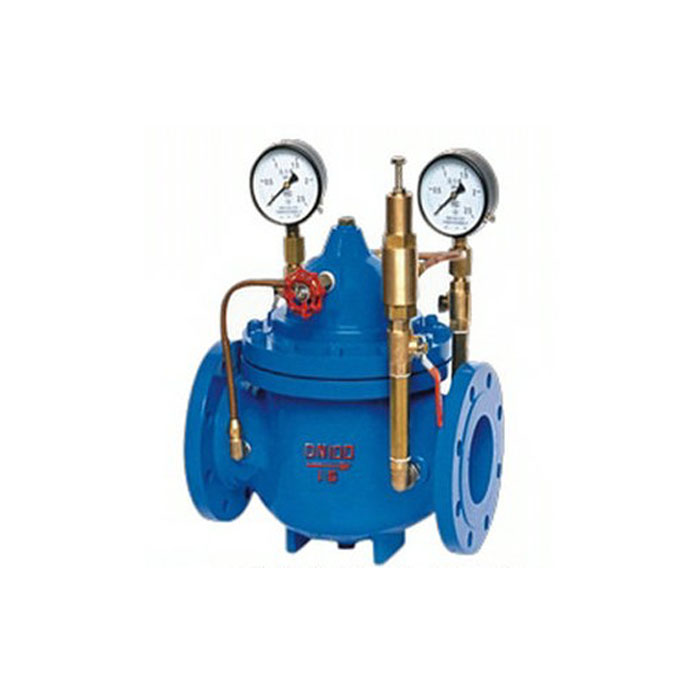
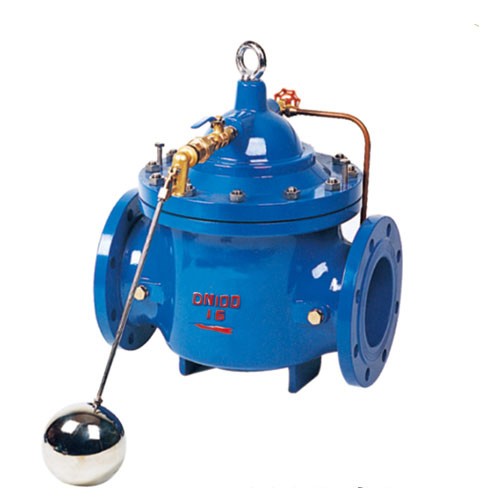
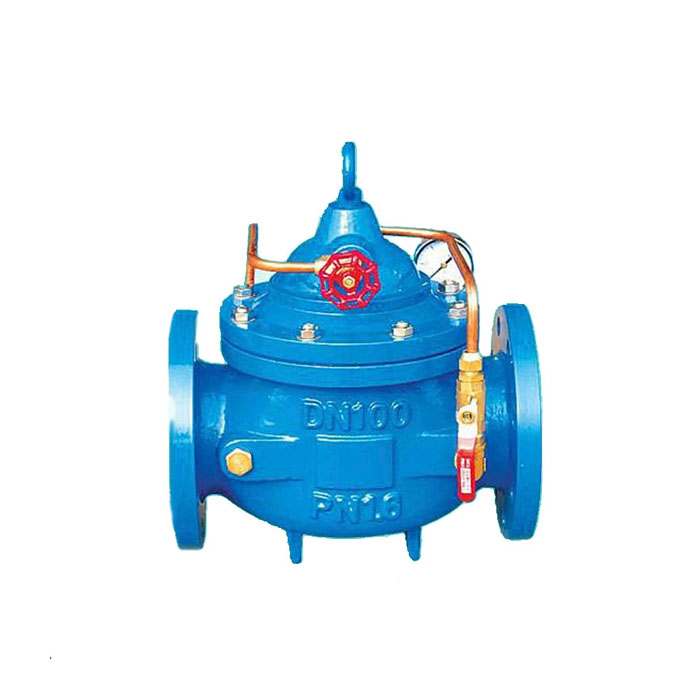
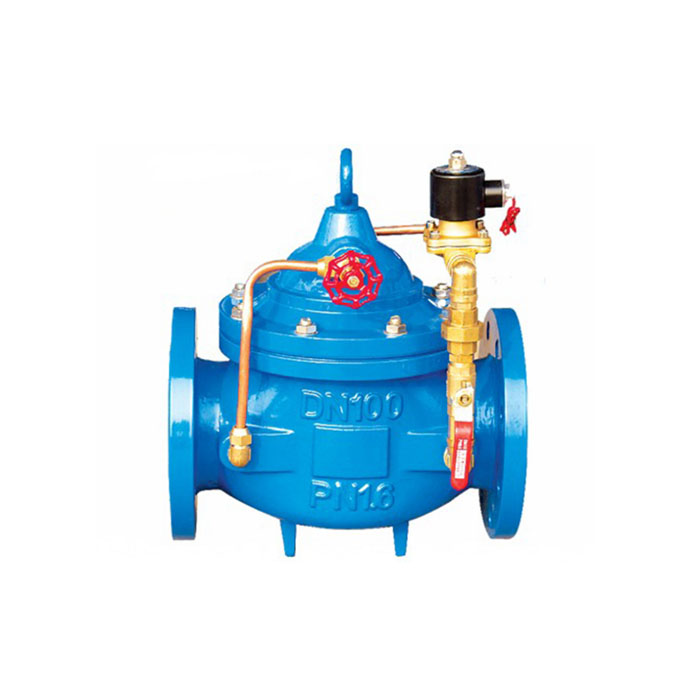
Control valve is a critical component in fluid systems that is used to regulate the flow, pressure, temperature, or level of a fluid within a process. It achieves this by varying the size of the flow passage as directed by a signal from a controller. Control valves are essential for maintaining precise control over the process conditions, ensuring that the system operates within specified parameters. They are widely used in industries such as oil and gas, chemical processing, power generation, and water treatment, where accurate control of fluid flow is crucial for operational efficiency and safety. Control valves come in various types, including globe valves, butterfly valves, ball valves, and diaphragm valves, each designed for specific applications and control requirements. The selection of a control valve depends on factors such as the type of fluid, flow rates, pressure and temperature conditions, and the desired level of control precision. Proper installation, calibration, and maintenance of control valves are essential to ensure their reliable and accurate performance within the fluid system.
Why Use Control Valves?
Control valves are used to regulate the flow, pressure, temperature, or level of a fluid within a process. They are essential for maintaining precise control over the process conditions, ensuring that the system operates within specified parameters. Control valves are widely used in various industries such as oil and gas, chemical processing, power generation, and water treatment, where accurate control of fluid flow is crucial for operational efficiency and safety. By using control valves, operators can adjust the flow rates and other process parameters to meet the changing demands of the system, optimize energy usage, and maintain product quality. Additionally, control valves play a critical role in ensuring the safety and reliability of the overall process by providing the means to regulate and manage the flow of fluids in a controlled and efficient manner. Overall, the use of control valves is essential for achieving precise and effective control over fluid processes, contributing to improved system performance, energy efficiency, and operational safety.












































































