


 українська
 африканський
 албанець
 амхарська
 арабська
 вірменський
 Азербайджанська
 Баскська
 білоруська
 Бенгальська
 боснійський
 Болгарська
 каталонська
 Себуано
 Корсиканець
 Хорватська
 чеська
 датська
 голландська
 англійська
 Есперанто
 Естонська
 фінська
 французька
 фризька
 галицький
 грузинський
 Німецький
 грецька
 Гуджараті
 Гаїтянська креольська
 хауса
хауса
 гавайський
 іврит
іврит
 ні
ні
 Мяо
Мяо
 угорська
 ісландська
 ігбо
ігбо
 індонезійська
 ірландський
 італійська
 Японський
 яванський
 каннада
 казахська
 кхмерська
 Руанда
 корейська
 курдська
 киргизький
 туберкульоз
 латинь
 латиська
 литовський
 люксембурзький
 македонська
 Малгаші
 малайська
 малаялам
 мальтійська
 Маорі
Маорі
 маратхі
 монгольська
 М'янма
 Непальська
 норвезька
 норвезька
 Окситанська
 пушту
пушту
 перська
 польський
 португальська
 Пенджабі
 румунська
 російський
 Самоанська
 Шотландська гельська
 сербська
 англійська
 Шона
Шона
 Сіндхі
 сингальська
 словацький
 словенська
 сомалі
 Іспанська
 Сунданська
 Суахілі
 шведська
 тагальська
 таджицька
 тамільська
 татарський
 Телугу
 тайська
 турецька
 туркменський
 урду
урду
 уйгурський
 узбецький
 в'єтнамська
 Валлійська
 Довідка
 ідиш
ідиш
 йоруба
 Зулу
Зулу


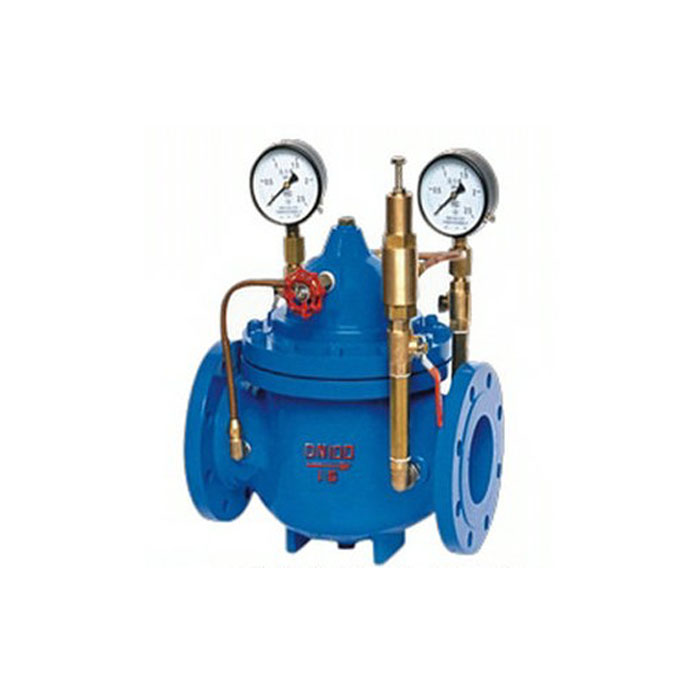
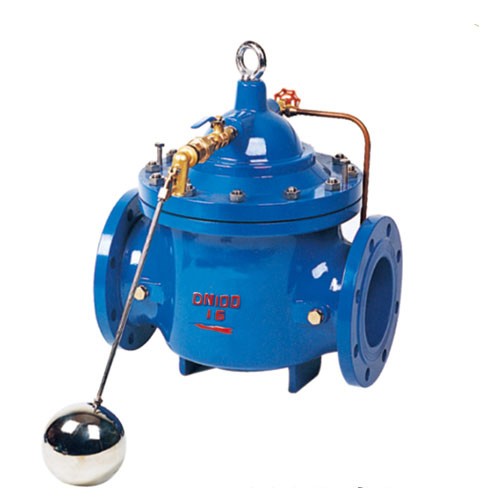
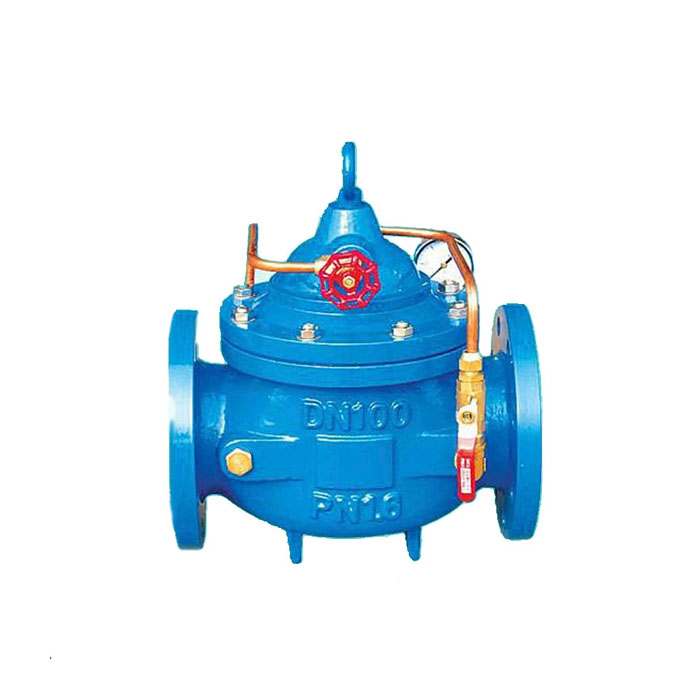
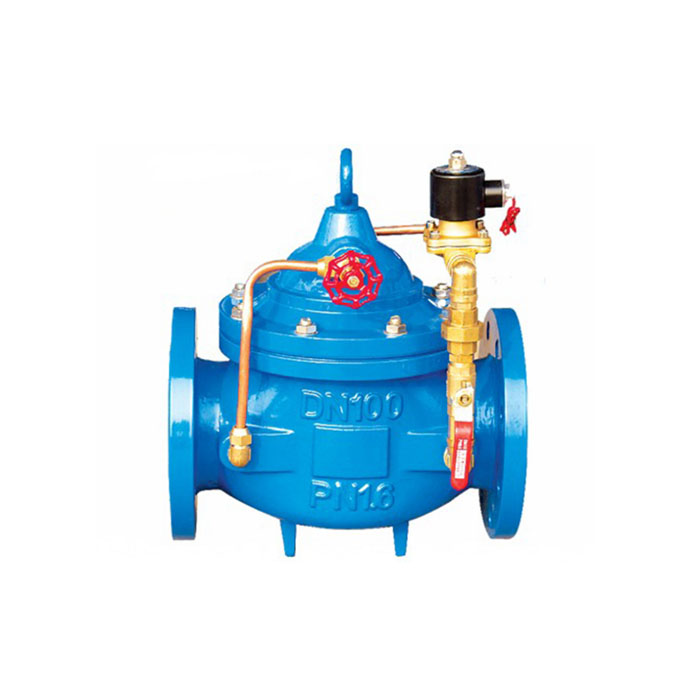
Control valve is a critical component in fluid systems that is used to regulate the flow, pressure, temperature, or level of a fluid within a process. It achieves this by varying the size of the flow passage as directed by a signal from a controller. Control valves are essential for maintaining precise control over the process conditions, ensuring that the system operates within specified parameters. They are widely used in industries such as oil and gas, chemical processing, power generation, and water treatment, where accurate control of fluid flow is crucial for operational efficiency and safety. Control valves come in various types, including globe valves, butterfly valves, ball valves, and diaphragm valves, each designed for specific applications and control requirements. The selection of a control valve depends on factors such as the type of fluid, flow rates, pressure and temperature conditions, and the desired level of control precision. Proper installation, calibration, and maintenance of control valves are essential to ensure their reliable and accurate performance within the fluid system.
Why Use Control Valves?
Control valves are used to regulate the flow, pressure, temperature, or level of a fluid within a process. They are essential for maintaining precise control over the process conditions, ensuring that the system operates within specified parameters. Control valves are widely used in various industries such as oil and gas, chemical processing, power generation, and water treatment, where accurate control of fluid flow is crucial for operational efficiency and safety. By using control valves, operators can adjust the flow rates and other process parameters to meet the changing demands of the system, optimize energy usage, and maintain product quality. Additionally, control valves play a critical role in ensuring the safety and reliability of the overall process by providing the means to regulate and manage the flow of fluids in a controlled and efficient manner. Overall, the use of control valves is essential for achieving precise and effective control over fluid processes, contributing to improved system performance, energy efficiency, and operational safety.












































































