


 українська
 африканський
 албанець
 амхарська
 арабська
 вірменський
 Азербайджанська
 Баскська
 білоруська
 Бенгальська
 боснійський
 Болгарська
 каталонська
 Себуано
 Корсиканець
 Хорватська
 чеська
 датська
 голландська
 англійська
 Есперанто
 Естонська
 фінська
 французька
 фризька
 галицький
 грузинський
 Німецький
 грецька
 Гуджараті
 Гаїтянська креольська
 хауса
хауса
 гавайський
 іврит
іврит
 ні
ні
 Мяо
Мяо
 угорська
 ісландська
 ігбо
ігбо
 індонезійська
 ірландський
 італійська
 Японський
 яванський
 каннада
 казахська
 кхмерська
 Руанда
 корейська
 курдська
 киргизький
 туберкульоз
 латинь
 латиська
 литовський
 люксембурзький
 македонська
 Малгаші
 малайська
 малаялам
 мальтійська
 Маорі
Маорі
 маратхі
 монгольська
 М'янма
 Непальська
 норвезька
 норвезька
 Окситанська
 пушту
пушту
 перська
 польський
 португальська
 Пенджабі
 румунська
 російський
 Самоанська
 Шотландська гельська
 сербська
 англійська
 Шона
Шона
 Сіндхі
 сингальська
 словацький
 словенська
 сомалі
 Іспанська
 Сунданська
 Суахілі
 шведська
 тагальська
 таджицька
 тамільська
 татарський
 Телугу
 тайська
 турецька
 туркменський
 урду
урду
 уйгурський
 узбецький
 в'єтнамська
 Валлійська
 Довідка
 ідиш
ідиш
 йоруба
 Зулу
Зулу


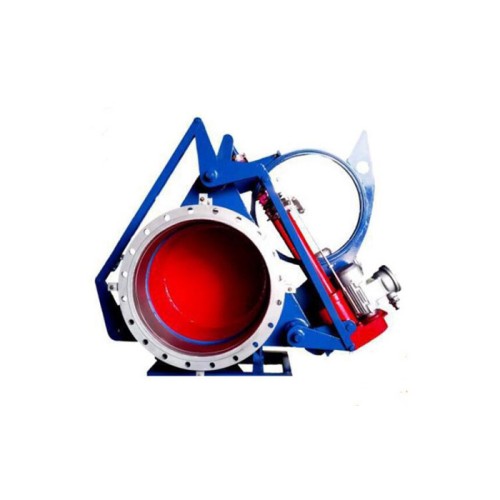
Blind valves, also known as blanking valves, are used to close off the flow of fluid in a pipeline. They are typically installed at the end of a line or at a specific point in the system where temporary isolation or closure is required. Blind valves are designed to provide a tight seal to prevent the flow of fluid, and they are available in various types, including bolted bonnet, pressure seal, and welded bonnet designs, to accommodate different pressure and temperature requirements. These valves are commonly used during maintenance, repair, or testing of the pipeline system, as well as for isolating sections of the pipeline for safety or operational reasons. The selection of blind valves depends on factors such as the type of fluid, pressure rating, temperature range, and the specific application within the pipeline system. Proper installation and maintenance of blind valves are essential to ensure reliable and safe operation, as well as to prevent leakage and potential hazards within the pipeline.

Why Use Spectacle Blind Instead Of Valve?
Spectacle blinds are used in piping systems for the purpose of temporarily closing off a pipe or isolating a section of the pipeline. They consist of two metal discs connected by a section of metal, resembling a pair of spectacles, hence the name. The main advantage of using spectacle blinds instead of valves for isolation is that they provide a more secure and reliable closure. When a spectacle blind is installed, it completely blocks the flow of fluid, ensuring a tight seal and preventing any leakage. In contrast, valves, even when fully closed, may still allow a small amount of fluid to pass through, which can be undesirable in certain situations, such as during maintenance or repair activities. Additionally, spectacle blinds are often used in applications where the pipeline needs to be completely sealed off for an extended period, and where the use of a valve may not provide the level of security and isolation required. Overall, the decision to use a spectacle blind instead of a valve depends on the specific needs of the piping system, the level of isolation required, and the nature of the fluid being transported.












































































