


 svenska
 afrikanska
 albanska
 amhariska
 arabiska
 armeniska
 azerbajdzjanska
 baskiska
 vitryska
 bengaliska
 bosniska
 bulgariska
 katalanska
 Cebuano
 korsikanska
 Kroatisk
 tjeckiska
 danska
 holländska
 engelsk
 esperanto
 estniska
 finska
 franska
 frisiska
 galiciska
 georgiska
 tysk
tysk
 grekisk
 Gujarati
 haitisk kreol
 hausa
hausa
 hawaiian
 hebreiska
 Nej
Nej
 Miao
Miao
 ungerska
 isländska
 igbo
igbo
 indonesiska
 irländsk
 italienska
 japanska
 javanesiska
 Kannada
 kazakiska
 Khmer
Khmer
 rwandiska
 koreanska
 kurdiska
 kirgiziska
 TB
TB
 latin
latin
 lettiska
 litauiska
 Luxemburgiska
 makedonska
 Malgashi
 malajiska
 Malayalam
 maltesiska
 Maori
Maori
 Marathi
 mongoliska
 Myanmar
 nepalesiska
 norska
 norska
 occitanska
 Pashto
 persiska
 putsa
putsa
 portugisiska
 Punjabi
 rumänska
 ryska
ryska
 Samoan
 skotsk gaeliska
 serbiska
 engelsk
 Shona
Shona
 Sindhi
 singalesiska
 slovakiska
 slovenska
 somaliska
 spanska
 Sundanesiska
 Swahili
 Tagalog
 tadzjikiska
 Tamil
Tamil
 tatariska
 Telugu
 Thai
Thai
 turkiska
 turkmeniska
 ukrainska
 Urdu
Urdu
 Uigur
Uigur
 uzbekiska
 vietnamesiska
 walesiska
 Hjälp
Hjälp
 jiddisch
 Yoruba
 Zulu
Zulu


Blind valves, also known as blanking valves, are used to close off the flow of fluid in a pipeline. They are typically installed at the end of a line or at a specific point in the system where temporary isolation or closure is required. Blind valves are designed to provide a tight seal to prevent the flow of fluid, and they are available in various types, including bolted bonnet, pressure seal, and welded bonnet designs, to accommodate different pressure and temperature requirements. These valves are commonly used during maintenance, repair, or testing of the pipeline system, as well as for isolating sections of the pipeline for safety or operational reasons. The selection of blind valves depends on factors such as the type of fluid, pressure rating, temperature range, and the specific application within the pipeline system. Proper installation and maintenance of blind valves are essential to ensure reliable and safe operation, as well as to prevent leakage and potential hazards within the pipeline.
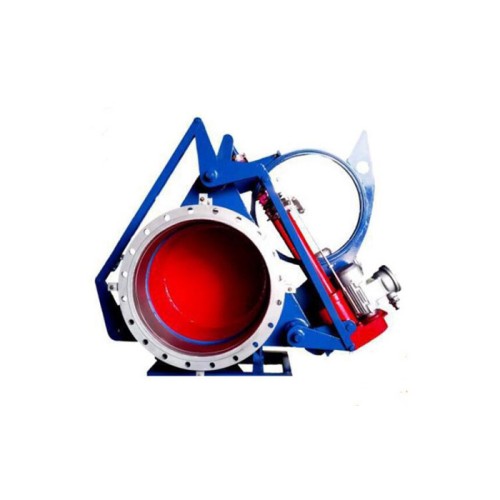

Why Use Spectacle Blind Instead Of Valve?
Spectacle blinds are used in piping systems for the purpose of temporarily closing off a pipe or isolating a section of the pipeline. They consist of two metal discs connected by a section of metal, resembling a pair of spectacles, hence the name. The main advantage of using spectacle blinds instead of valves for isolation is that they provide a more secure and reliable closure. When a spectacle blind is installed, it completely blocks the flow of fluid, ensuring a tight seal and preventing any leakage. In contrast, valves, even when fully closed, may still allow a small amount of fluid to pass through, which can be undesirable in certain situations, such as during maintenance or repair activities. Additionally, spectacle blinds are often used in applications where the pipeline needs to be completely sealed off for an extended period, and where the use of a valve may not provide the level of security and isolation required. Overall, the decision to use a spectacle blind instead of a valve depends on the specific needs of the piping system, the level of isolation required, and the nature of the fluid being transported.












































































