


 Türkçe
 Afrikalı
 Arnavut
 Amharca
 Arapça
 Ermeni
 Azerice
 Bask
Bask
 Belarusça
 Bengalce
 Boşnakça
 Bulgarca
 Katalanca
 Cebuano
 Korsikalı
 Hırvat
 Çek
Çek
 Danimarka
 Flemenkçe
 İngilizce
 Esperanto
 Estonyalı
 Fince
Fince
 Fransızca
 Frizce
 Galiçyaca
 Gürcüce
 Almanca
 Yunan
Yunan
 Gujarati
 Haiti Kreyolu
 Hausa
Hausa
 Hawaii dili
 İbranice
 Hayır
Hayır
 Miao
Miao
 Macarca
 İzlandaca
 İbo
İbo
 Endonezya dili
 İrlandalı
 İtalyan
 Japonca
 Cava
Cava
 Kannadaca
 Kazak
Kazak
 Kmer
Kmer
 Ruanda
 Koreli
 Kürt
Kürt
 Kırgız
 TB
TB
 Latince
 Letonca
 Litvanyalı
 Lüksemburgca
 Makedonca
 Malgaşi
 Malayca
 Malayalam
 Malta
Malta
 Maori
Maori
 Marathi
 Moğolca
 Myanmar
 Nepalce
 Norveççe
 Norveççe
 Oksitanca
 Peştuca
 Farsça
 Lehçe
Lehçe
 Portekizce
 Pencap
 Romen
Romen
 Rusça
Rusça
 Samoalı
 İskoç Galcesi
 Sırpça
 İngilizce
 Shona
Shona
 Sindhi
 Sinhala
 Slovak
 Slovence
 Somalili
 İspanyol
 Sundan dili
 Svahili
 İsveççe
 Tagalogca
 Tacikçe
 Tamilce
 Tatar
Tatar
 Telugu
 Tay dili
 Türkmence
 Ukrayna
 Urduca
 Uygur
Uygur
 Özbekçe
 Vietnam
 Galce
Galce
 Yardım
 Yidiş
Yidiş
 Yoruba
 Zuluca


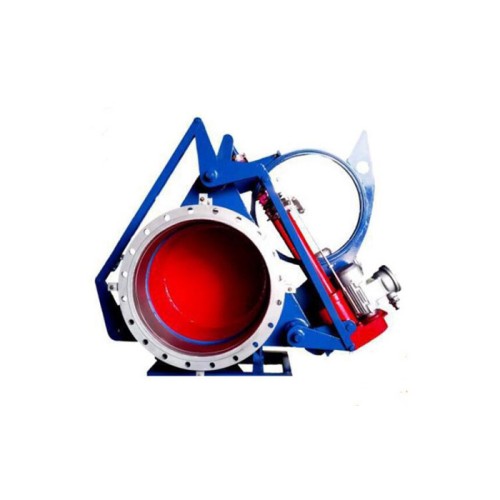
Blind valves, also known as blanking valves, are used to close off the flow of fluid in a pipeline. They are typically installed at the end of a line or at a specific point in the system where temporary isolation or closure is required. Blind valves are designed to provide a tight seal to prevent the flow of fluid, and they are available in various types, including bolted bonnet, pressure seal, and welded bonnet designs, to accommodate different pressure and temperature requirements. These valves are commonly used during maintenance, repair, or testing of the pipeline system, as well as for isolating sections of the pipeline for safety or operational reasons. The selection of blind valves depends on factors such as the type of fluid, pressure rating, temperature range, and the specific application within the pipeline system. Proper installation and maintenance of blind valves are essential to ensure reliable and safe operation, as well as to prevent leakage and potential hazards within the pipeline.

Why Use Spectacle Blind Instead Of Valve?
Spectacle blinds are used in piping systems for the purpose of temporarily closing off a pipe or isolating a section of the pipeline. They consist of two metal discs connected by a section of metal, resembling a pair of spectacles, hence the name. The main advantage of using spectacle blinds instead of valves for isolation is that they provide a more secure and reliable closure. When a spectacle blind is installed, it completely blocks the flow of fluid, ensuring a tight seal and preventing any leakage. In contrast, valves, even when fully closed, may still allow a small amount of fluid to pass through, which can be undesirable in certain situations, such as during maintenance or repair activities. Additionally, spectacle blinds are often used in applications where the pipeline needs to be completely sealed off for an extended period, and where the use of a valve may not provide the level of security and isolation required. Overall, the decision to use a spectacle blind instead of a valve depends on the specific needs of the piping system, the level of isolation required, and the nature of the fluid being transported.












































































