


 ئۇيغۇر
 African
 ئالبانىيە
 Amharic
 ئەرەبچە
 ئەرمىنىيە
 ئەزەربەيجان
 Basque
 بېلورۇسىيە
 Bengali
 Bosnian
 بۇلغارىيە
 Catalan
 Cebuano
 كورسىكان
 كىرودىيە
 چېخ
چېخ
 Danish
 گوللاندىيە
 ئىنگىلىزچە
 Esperanto
 ئېستونىيە
 فىنلاندىيە
 فىرانسۇزچە
 Frisian
 Galician
 گرۇزىيە
 German
 گرېتسىيە
 Gujarati
 ھايتى كرېئول
 hausa
hausa
 hawaiian
 ئىبرانىي تىلى
 ياق
ياق
 Miao
Miao
 ۋېنگرىيە
 ئىسلاندىيە
 igbo
igbo
 ھىندونېزىيە
 irish
irish
 Italian
 ياپون
ياپون
 Javanese
 Kannada
 kazakh
 Khmer
Khmer
 رىۋاندا
 كورېيە
 كۇرد
كۇرد
 قىرغىزىستان
 TB
TB
 لاتىنچە
 Latvian
 لىتۋانىيە
 لىيۇكسېمبۇرگ
 ماكېدونىيە
 Malgashi
 مالايسىيا
 Malayalam
 Maltese
 Maori
Maori
 Marathi
 موڭغۇل
 بېرما
بېرما
 نېپال
نېپال
 نورۋېگچە
 نورۋېگچە
 Occitan
 پۇشتۇ
پۇشتۇ
 پارسچە
 پولشا
پولشا
 پورتۇگال تىلى
 Punjabi
 Romanian
 رۇسچە
رۇسچە
 Samoan
 شوتلاندىيە گال تىلى
 سېربىيە
 ئىنگىلىزچە
 Shona
Shona
 سىندى
سىندى
 Sinhala
 سلوۋاكىيە
 سىلوۋېنىيە
 سومالى
 ئىسپانچە
 Sundanese
 Swahili
 شىۋىتسىيە
 Tagalog
 تاجىك
تاجىك
 تامىل
تامىل
 تاتار
تاتار
 Telugu
 تايلاند
 تۈرك
تۈرك
 تۈركمەنلەر
 ئۇكرائىنا
 ئوردۇچە
 ئۆزبېك
 ۋېيتنام
 Welsh
Welsh
 ياردەم
 Yiddish
 يورۇبا
 Zulu
Zulu


Blind valves, also known as blanking valves, are used to close off the flow of fluid in a pipeline. They are typically installed at the end of a line or at a specific point in the system where temporary isolation or closure is required. Blind valves are designed to provide a tight seal to prevent the flow of fluid, and they are available in various types, including bolted bonnet, pressure seal, and welded bonnet designs, to accommodate different pressure and temperature requirements. These valves are commonly used during maintenance, repair, or testing of the pipeline system, as well as for isolating sections of the pipeline for safety or operational reasons. The selection of blind valves depends on factors such as the type of fluid, pressure rating, temperature range, and the specific application within the pipeline system. Proper installation and maintenance of blind valves are essential to ensure reliable and safe operation, as well as to prevent leakage and potential hazards within the pipeline.
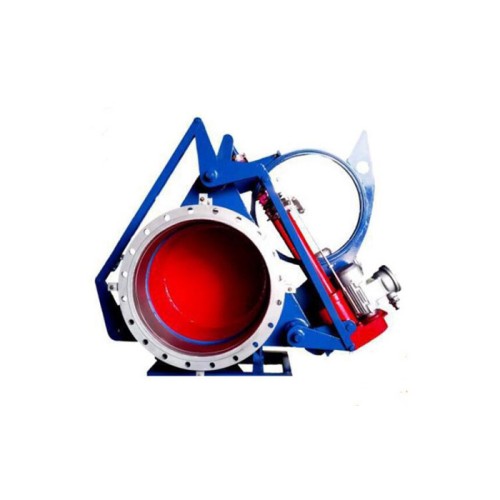

Why Use Spectacle Blind Instead Of Valve?
Spectacle blinds are used in piping systems for the purpose of temporarily closing off a pipe or isolating a section of the pipeline. They consist of two metal discs connected by a section of metal, resembling a pair of spectacles, hence the name. The main advantage of using spectacle blinds instead of valves for isolation is that they provide a more secure and reliable closure. When a spectacle blind is installed, it completely blocks the flow of fluid, ensuring a tight seal and preventing any leakage. In contrast, valves, even when fully closed, may still allow a small amount of fluid to pass through, which can be undesirable in certain situations, such as during maintenance or repair activities. Additionally, spectacle blinds are often used in applications where the pipeline needs to be completely sealed off for an extended period, and where the use of a valve may not provide the level of security and isolation required. Overall, the decision to use a spectacle blind instead of a valve depends on the specific needs of the piping system, the level of isolation required, and the nature of the fluid being transported.












































































