


 kiswahili
 Mwafrika
 Kialbeni
 Kiamhari
 Kiarabu
 Kiarmenia
 Kiazabajani
 Kibasque
 Kibelarusi
 Kibengali
 Kibosnia
 Kibulgaria
 Kikatalani
 Cebuano
 Kikosikani
 Kikroeshia
 Kicheki
 Kideni
 Kiholanzi
 Kiingereza
 Kiesperanto
 Kiestonia
 Kifini
 Kifaransa
 Kifrisia
 Kigalisia
 Kijojiajia
 Kijerumani
 Kigiriki
 Kigujarati
 Krioli ya Haiti
 hausa
hausa
 Kihawai
 Kiebrania
 Hapana
 Miao
Miao
 Kihungaria
 Kiaislandi
 igbo
igbo
 Kiindonesia
 irish
irish
 Kiitaliano
 Kijapani
 Kijava
 Kikanada
 kazakh
 Khmer
Khmer
 Mnyarwanda
 Kikorea
 Kikurdi
 Kirigizi
 TB
TB
 Kilatini
 Kilatvia
 Kilithuania
 Kilasembagi
 Kimasedonia
 Malgashi
 Kimalei
 Kimalayalam
 Kimalta
 Kimaori
 Marathi
 Kimongolia
 Myanmar
 Kinepali
 Kinorwe
 Kinorwe
 Oksitani
 Kipashto
 Kiajemi
 Kipolandi
 Kireno
 Kipunjabi
 Kiromania
 Kirusi
 Kisamoa
 Kigaeli cha Kiskoti
 Kiserbia
 Kiingereza
 Kishona
 Kisindhi
 Kisinhala
 Kislovakia
 Kislovenia
 Msomali
 Kihispania
 Kisunda
 Kiswidi
 Kitagalogi
 Tajiki
 Kitamil
 Kitatari
 Kitelugu
 Thai
Thai
 Kituruki
 Waturukimeni
 Kiukreni
 Kiurdu
 Uighur
 Kiuzbeki
 Kivietinamu
 Kiwelisi
 Msaada
 Kiyidi
 Kiyoruba
 Kizulu


Blind valves, also known as blanking valves, are used to close off the flow of fluid in a pipeline. They are typically installed at the end of a line or at a specific point in the system where temporary isolation or closure is required. Blind valves are designed to provide a tight seal to prevent the flow of fluid, and they are available in various types, including bolted bonnet, pressure seal, and welded bonnet designs, to accommodate different pressure and temperature requirements. These valves are commonly used during maintenance, repair, or testing of the pipeline system, as well as for isolating sections of the pipeline for safety or operational reasons. The selection of blind valves depends on factors such as the type of fluid, pressure rating, temperature range, and the specific application within the pipeline system. Proper installation and maintenance of blind valves are essential to ensure reliable and safe operation, as well as to prevent leakage and potential hazards within the pipeline.
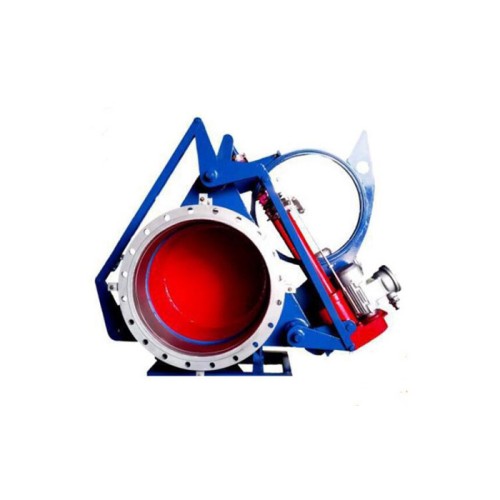

Why Use Spectacle Blind Instead Of Valve?
Spectacle blinds are used in piping systems for the purpose of temporarily closing off a pipe or isolating a section of the pipeline. They consist of two metal discs connected by a section of metal, resembling a pair of spectacles, hence the name. The main advantage of using spectacle blinds instead of valves for isolation is that they provide a more secure and reliable closure. When a spectacle blind is installed, it completely blocks the flow of fluid, ensuring a tight seal and preventing any leakage. In contrast, valves, even when fully closed, may still allow a small amount of fluid to pass through, which can be undesirable in certain situations, such as during maintenance or repair activities. Additionally, spectacle blinds are often used in applications where the pipeline needs to be completely sealed off for an extended period, and where the use of a valve may not provide the level of security and isolation required. Overall, the decision to use a spectacle blind instead of a valve depends on the specific needs of the piping system, the level of isolation required, and the nature of the fluid being transported.












































































