


 lietuvių
 Afrikos
 albanų
 amharų
 arabiškas
 armėnų
 Azerbaidžaniečių
 baskų
baskų
 baltarusių
 bengalų
 bosnių
 bulgarų
 katalonų
 Cebuano
 Korsikos
 kroatų
 čekų
čekų
 danų
danų
 olandų
 Anglų
Anglų
 Esperanto
 Estų
Estų
 suomių
 Prancūzų kalba
 fryzų
fryzų
 Galisų
 gruzinų
 vokiečių kalba
 graikų
 gudžaratų
 Haičio kreolų
 hausa
hausa
 havajietis
 hebrajų
 Ne
Ne
 Miao
Miao
 vengrų
 islandų
 igbo
igbo
 Indoneziečių
 airių
airių
 italų
italų
 japonų
 javiečių
 kanada
 kazachų
 khmerų
 Ruandos
 korėjiečių
 kurdų
kurdų
 Kirgizų
 TB
TB
 lotynų kalba
 latvių
 liuksemburgiečių
 Makedonietis
 Malgashi
 malajiečių
 malajalių
 maltiečių
 maorių
 marati
 mongolų
 Mianmaras
 Nepaliečių
 norvegų
 norvegų
 oksitanų
 puštūnų
 persų
persų
 lenkas
 portugalų
 Pandžabų
 rumunų
 rusų
rusų
 samoiečių
 škotų gėlų
 serbų
serbų
 Anglų
Anglų
 Šona
Šona
 Sindų
Sindų
 Sinhala
 slovakų
 slovėnų
 Somalis
 ispanų
 Sundanai
 suahilių
 Švedijos
 tagalogų
 tadžikų
 tamilų
 totorių
 telugų
 tajų
tajų
 turkų
turkų
 turkmėnų
 ukrainiečių
 urdu
urdu
 Uigūras
 uzbekas
 vietnamiečių
 valų
valų
 Pagalba
 jidiš
jidiš
 Joruba
 Zulu
Zulu


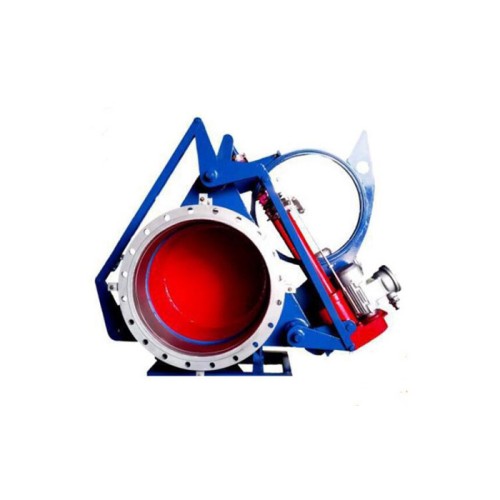
Blind valves, also known as blanking valves, are used to close off the flow of fluid in a pipeline. They are typically installed at the end of a line or at a specific point in the system where temporary isolation or closure is required. Blind valves are designed to provide a tight seal to prevent the flow of fluid, and they are available in various types, including bolted bonnet, pressure seal, and welded bonnet designs, to accommodate different pressure and temperature requirements. These valves are commonly used during maintenance, repair, or testing of the pipeline system, as well as for isolating sections of the pipeline for safety or operational reasons. The selection of blind valves depends on factors such as the type of fluid, pressure rating, temperature range, and the specific application within the pipeline system. Proper installation and maintenance of blind valves are essential to ensure reliable and safe operation, as well as to prevent leakage and potential hazards within the pipeline.

Why Use Spectacle Blind Instead Of Valve?
Spectacle blinds are used in piping systems for the purpose of temporarily closing off a pipe or isolating a section of the pipeline. They consist of two metal discs connected by a section of metal, resembling a pair of spectacles, hence the name. The main advantage of using spectacle blinds instead of valves for isolation is that they provide a more secure and reliable closure. When a spectacle blind is installed, it completely blocks the flow of fluid, ensuring a tight seal and preventing any leakage. In contrast, valves, even when fully closed, may still allow a small amount of fluid to pass through, which can be undesirable in certain situations, such as during maintenance or repair activities. Additionally, spectacle blinds are often used in applications where the pipeline needs to be completely sealed off for an extended period, and where the use of a valve may not provide the level of security and isolation required. Overall, the decision to use a spectacle blind instead of a valve depends on the specific needs of the piping system, the level of isolation required, and the nature of the fluid being transported.












































































