


 پښتو
پښتو
 افریقی
 البانیایی
 امهاریک
 عربي
عربي
 ارمانیایی
 اذربایجان
 باسک
باسک
 بلاروسي
 بنګالي
 بوسنیایی
 بلغاریه ایی
 کتالین
 سیبوانو
 کورسیکن
 کرواسین
 چکسلواکي
 دنمارکي
 الماني
 انګلیسي
 ایسپیرینټو
 ایستونین
 فنلینډي
 فرانسوي
 فریزین
 ګالیسي
 ګرجستاني
 جرمني
جرمني
 یوناني
 ګجراتي
 هیتیان کریول
 هوسا
هوسا
 هوایی
هوایی
 عبري
عبري
 نه
نه
 مياو
مياو
 هنګري
هنګري
 ایلینډیک
 igbo
igbo
 انډونیزین
 ایرلینډي
 ایټالیوي
 جاپاني
 جاوه ای
 کناډا
کناډا
 قزاقي
قزاقي
 خمیر
خمیر
 روانډا
 کوریایی
 کرد
کرد
 قرغیزي
 TB
TB
 لاتین
لاتین
 لیتوین
 لیتوانیایی
 لوګزامبورګي
 مقدوني
 ملګاشي
 مالایا
 ملایلم
 مالتیس
 ماوري
ماوري
 مراټي
مراټي
 مغولي
مغولي
 میانمار
 نیپالي
 نارویژي
 نارویژي
 اوکیتین
 فارسي
فارسي
 پولیش
پولیش
 پورتګالي
 پنجابي
 رومانیایی
 روسي
روسي
 سامون
سامون
 سکاټلینډي ګیلیک
 صربي
صربي
 انګلیسي
 شونا
شونا
 سندي
سندي
 سنګال
سنګال
 سلواکي
 سلوانیایی
 سومالیایی
 هسپانیه ایی
 سنډانیز
 سواحلي
 سویډیش یا سویډني
 تګالوګ
 تاجک
تاجک
 تامیل
تامیل
 تاتار
تاتار
 تولیګو
 تای
تای
 ترکي
ترکي
 ترکمني
 اوکرایني
 اردو
اردو
 اویغور
 ازبکي
ازبکي
 ویتنامي
 ولش
ولش
 مرسته
مرسته
 یدیش
یدیش
 یوروبا
 زولو
زولو


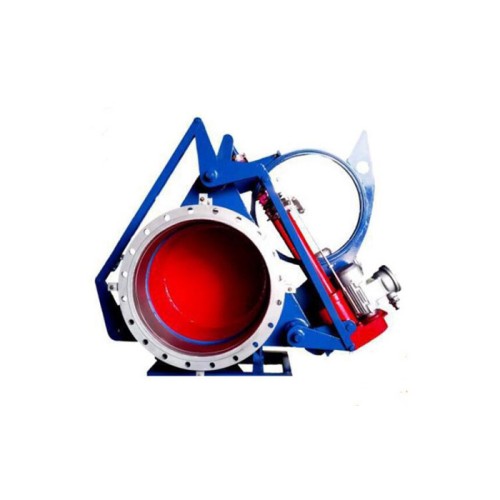
Blind valves, also known as blanking valves, are used to close off the flow of fluid in a pipeline. They are typically installed at the end of a line or at a specific point in the system where temporary isolation or closure is required. Blind valves are designed to provide a tight seal to prevent the flow of fluid, and they are available in various types, including bolted bonnet, pressure seal, and welded bonnet designs, to accommodate different pressure and temperature requirements. These valves are commonly used during maintenance, repair, or testing of the pipeline system, as well as for isolating sections of the pipeline for safety or operational reasons. The selection of blind valves depends on factors such as the type of fluid, pressure rating, temperature range, and the specific application within the pipeline system. Proper installation and maintenance of blind valves are essential to ensure reliable and safe operation, as well as to prevent leakage and potential hazards within the pipeline.

Why Use Spectacle Blind Instead Of Valve?
Spectacle blinds are used in piping systems for the purpose of temporarily closing off a pipe or isolating a section of the pipeline. They consist of two metal discs connected by a section of metal, resembling a pair of spectacles, hence the name. The main advantage of using spectacle blinds instead of valves for isolation is that they provide a more secure and reliable closure. When a spectacle blind is installed, it completely blocks the flow of fluid, ensuring a tight seal and preventing any leakage. In contrast, valves, even when fully closed, may still allow a small amount of fluid to pass through, which can be undesirable in certain situations, such as during maintenance or repair activities. Additionally, spectacle blinds are often used in applications where the pipeline needs to be completely sealed off for an extended period, and where the use of a valve may not provide the level of security and isolation required. Overall, the decision to use a spectacle blind instead of a valve depends on the specific needs of the piping system, the level of isolation required, and the nature of the fluid being transported.












































































