


 日本語
日本語
 アフリカ人
アフリカ人
 アルバニア人
 アムハラ語
アムハラ語
 アラビア語
アラビア語
 アルメニア語
 アゼルバイジャン語
 バスク語
バスク語
 ベラルーシ語
 ベンガル語
ベンガル語
 ボスニア語
ボスニア語
 ブルガリア語
 カタルーニャ語
 セブアノ語
セブアノ語
 コルシカ島
コルシカ島
 クロアチア語
 チェコ語
チェコ語
 デンマーク語
 オランダの
オランダの
 英語
英語
 エスペラント
 エストニア語
 フィンランド語
 フランス語
フランス語
 フリジア語
フリジア語
 ガリシア語
ガリシア語
 ジョージア語
 ドイツ人
ドイツ人
 ギリシャ語
ギリシャ語
 グジャラート語
 ハイチ クレオール
 ハウサ語
ハウサ語
 ハワイアン
ハワイアン
 ヘブライ語
ヘブライ語
 いいえ
いいえ
 ミャオ族
ミャオ族
 ハンガリー語
 アイスランド語
 イボ語
イボ語
 インドネシア語
 アイルランド人
 イタリアの
イタリアの
 ジャワ語
ジャワ語
 カンナダ語
カンナダ語
 カザフ語
カザフ語
 クメール語
クメール語
 ルワンダ語
ルワンダ語
 韓国語
韓国語
 クルド
クルド
 キルギス
キルギス
 結核
結核
 ラテン
ラテン
 ラトビア語
ラトビア語
 リトアニア語
 ルクセンブルク語
 マケドニアの
 マルガシ
マルガシ
 マレー語
マレー語
 マラヤーラム語
 マルタ語
マルタ語
 マオリ語
マオリ語
 マラーティー語
 モンゴル語
モンゴル語
 ミャンマー
ミャンマー
 ネパール語
ネパール語
 ノルウェー語
 ノルウェー語
 オック語
オック語
 パシュトゥー語
 ペルシア語
ペルシア語
 研磨
研磨
 ポルトガル語
 パンジャブ語
 ルーマニア語
 ロシア
ロシア
 サモア語
サモア語
 スコットランド・ゲール語
 セルビア語
セルビア語
 英語
英語
 ショナ
ショナ
 シンド語
シンド語
 シンハラ語
シンハラ語
 スロバキア語
 スロベニア語
 ソマリ語
ソマリ語
 スペイン語
スペイン語
 スンダ人
スンダ人
 スワヒリ語
スワヒリ語
 スウェーデンの
 タガログ語
タガログ語
 タジク語
タジク語
 タミル語
タミル語
 タタール語
タタール語
 テルグ語
テルグ語
 タイ語
タイ語
 トルコ語
トルコ語
 トルクメン語
 ウクライナ語
 ウルドゥー語
 ウイグル語
ウイグル語
 ウズベク語
ウズベク語
 ベトナム語
ベトナム語
 ウェールズ語
 ヘルプ
ヘルプ
 イディッシュ語
 ヨルバ語
ヨルバ語
 ズールー語
ズールー語


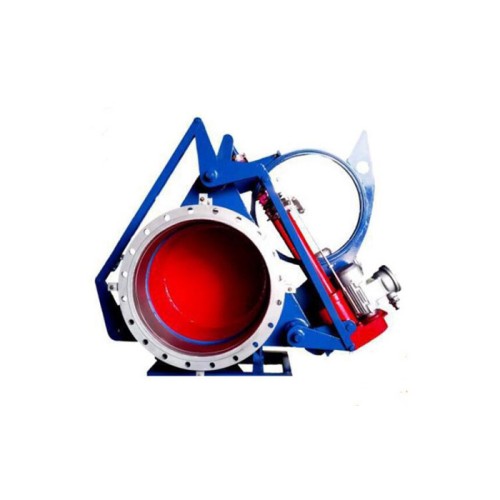
Blind valves, also known as blanking valves, are used to close off the flow of fluid in a pipeline. They are typically installed at the end of a line or at a specific point in the system where temporary isolation or closure is required. Blind valves are designed to provide a tight seal to prevent the flow of fluid, and they are available in various types, including bolted bonnet, pressure seal, and welded bonnet designs, to accommodate different pressure and temperature requirements. These valves are commonly used during maintenance, repair, or testing of the pipeline system, as well as for isolating sections of the pipeline for safety or operational reasons. The selection of blind valves depends on factors such as the type of fluid, pressure rating, temperature range, and the specific application within the pipeline system. Proper installation and maintenance of blind valves are essential to ensure reliable and safe operation, as well as to prevent leakage and potential hazards within the pipeline.

Why Use Spectacle Blind Instead Of Valve?
Spectacle blinds are used in piping systems for the purpose of temporarily closing off a pipe or isolating a section of the pipeline. They consist of two metal discs connected by a section of metal, resembling a pair of spectacles, hence the name. The main advantage of using spectacle blinds instead of valves for isolation is that they provide a more secure and reliable closure. When a spectacle blind is installed, it completely blocks the flow of fluid, ensuring a tight seal and preventing any leakage. In contrast, valves, even when fully closed, may still allow a small amount of fluid to pass through, which can be undesirable in certain situations, such as during maintenance or repair activities. Additionally, spectacle blinds are often used in applications where the pipeline needs to be completely sealed off for an extended period, and where the use of a valve may not provide the level of security and isolation required. Overall, the decision to use a spectacle blind instead of a valve depends on the specific needs of the piping system, the level of isolation required, and the nature of the fluid being transported.












































































