


 አማርኛ
አማርኛ
 አፍሪካዊ
አፍሪካዊ
 አልበንያኛ
 አረብኛ
አረብኛ
 አርመንያኛ
 አዘርባጃኒ
 ባስክ
ባስክ
 ቤላሩሲያን
 ቤንጋሊ
ቤንጋሊ
 ቦስንያን
ቦስንያን
 ቡልጋርያኛ
 ካታሊያን
ካታሊያን
 ሴቡአኖ
ሴቡአኖ
 ኮርሲካን
ኮርሲካን
 ክሮኤሽያን
 ቼክ
ቼክ
 ዳኒሽ
ዳኒሽ
 ደች
ደች
 እንግሊዝኛ
 እስፔራንቶ
 ኢስቶኒያን
 ፊኒሽ
ፊኒሽ
 ፈረንሳይኛ
 ፍሪሲያን
ፍሪሲያን
 ጋላሺያን
ጋላሺያን
 ጆርጅያን
ጆርጅያን
 ጀርመንኛ
ጀርመንኛ
 ግሪክኛ
ግሪክኛ
 ጉጅራቲ
ጉጅራቲ
 ሓይቲያን ክሬኦሌ
 ሃውሳ
ሃውሳ
 ሐዋያን
ሐዋያን
 ሂብሩ
ሂብሩ
 አይደለም
አይደለም
 ሚያኦ
ሚያኦ
 ሃንጋሪያን
 አይስላንዲ ክ
 igbo
igbo
 ኢንዶኔዥያን
 አይሪሽ
አይሪሽ
 ጣሊያንኛ
ጣሊያንኛ
 ጃፓንኛ
ጃፓንኛ
 ጃቫኒስ
ጃቫኒስ
 ካናዳ
ካናዳ
 ካዛክሀ
ካዛክሀ
 ክመር
ክመር
 ሩዋንዳኛ
ሩዋንዳኛ
 ኮሪያኛ
ኮሪያኛ
 ኩርዲሽ
ኩርዲሽ
 ክይርግያዝ
 ቲቢ
ቲቢ
 ላቲን
ላቲን
 ላትቪያን
ላትቪያን
 ሊቱኒያን
ሊቱኒያን
 ሉክዜምብርጊሽ
 ማስዶንያን
 ማልጋሺ
ማልጋሺ
 ማላይ
ማላይ
 ማላያላም
ማላያላም
 ማልትስ
ማልትስ
 ማኦሪይ
ማኦሪይ
 ማራቲ
ማራቲ
 ሞኒጎሊያን
 ማይንማር
ማይንማር
 ኔፓሊ
ኔፓሊ
 ኖርወይኛ
ኖርወይኛ
 ኖርወይኛ
ኖርወይኛ
 ኦሲታን
ኦሲታን
 ፓሽቶ
ፓሽቶ
 ፐርሽያን
ፐርሽያን
 ፖሊሽ
ፖሊሽ
 ፖርቹጋልኛ
 ፑንጃቢ
ፑንጃቢ
 ሮማንያን
ሮማንያን
 ራሺያኛ
ራሺያኛ
 ሳሞአን
ሳሞአን
 ስኮትላንዳዊ ጌሊክ
 ሰሪቢያን
ሰሪቢያን
 እንግሊዝኛ
 ሾና
ሾና
 ስንድሂ
ስንድሂ
 ሲንሃላ
ሲንሃላ
 ስሎቫክ
ስሎቫክ
 ስሎቬንያን
 ሶማሊ
ሶማሊ
 ስፓንኛ
ስፓንኛ
 ሱዳናዊ
ሱዳናዊ
 ስዋሕሊ
ስዋሕሊ
 ስዊድንኛ
ስዊድንኛ
 ታንጋሎግ
ታንጋሎግ
 ታጂክ
ታጂክ
 ታሚል
ታሚል
 ታታር
ታታር
 ተሉጉ
ተሉጉ
 ታይ
ታይ
 ቱሪክሽ
ቱሪክሽ
 ቱሪክሜን
ቱሪክሜን
 ዩክሬንያን
 ኡርዱ
ኡርዱ
 ኡጉር
ኡጉር
 ኡዝቤክ
ኡዝቤክ
 ቪትናሜሴ
ቪትናሜሴ
 ዋልሽ
ዋልሽ
 እገዛ
እገዛ
 ዪዲሽ
ዪዲሽ
 ዮሩባ
ዮሩባ
 ዙሉ
ዙሉ


Blind valves, also known as blanking valves, are used to close off the flow of fluid in a pipeline. They are typically installed at the end of a line or at a specific point in the system where temporary isolation or closure is required. Blind valves are designed to provide a tight seal to prevent the flow of fluid, and they are available in various types, including bolted bonnet, pressure seal, and welded bonnet designs, to accommodate different pressure and temperature requirements. These valves are commonly used during maintenance, repair, or testing of the pipeline system, as well as for isolating sections of the pipeline for safety or operational reasons. The selection of blind valves depends on factors such as the type of fluid, pressure rating, temperature range, and the specific application within the pipeline system. Proper installation and maintenance of blind valves are essential to ensure reliable and safe operation, as well as to prevent leakage and potential hazards within the pipeline.
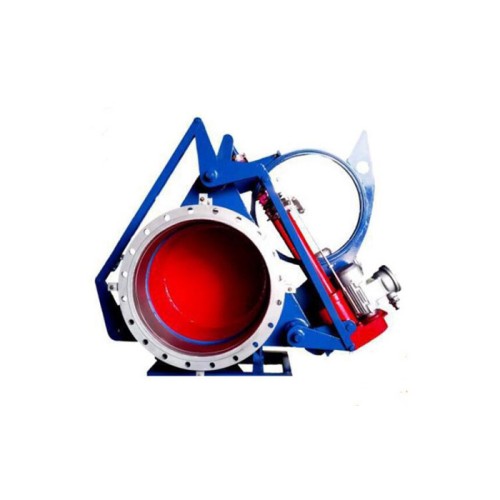

Why Use Spectacle Blind Instead Of Valve?
Spectacle blinds are used in piping systems for the purpose of temporarily closing off a pipe or isolating a section of the pipeline. They consist of two metal discs connected by a section of metal, resembling a pair of spectacles, hence the name. The main advantage of using spectacle blinds instead of valves for isolation is that they provide a more secure and reliable closure. When a spectacle blind is installed, it completely blocks the flow of fluid, ensuring a tight seal and preventing any leakage. In contrast, valves, even when fully closed, may still allow a small amount of fluid to pass through, which can be undesirable in certain situations, such as during maintenance or repair activities. Additionally, spectacle blinds are often used in applications where the pipeline needs to be completely sealed off for an extended period, and where the use of a valve may not provide the level of security and isolation required. Overall, the decision to use a spectacle blind instead of a valve depends on the specific needs of the piping system, the level of isolation required, and the nature of the fluid being transported.












































































