


 български
 африкански
 албански
 амхарски
 арабски
 арменски
 азербайджански
 баски
баски
 белоруски
 бенгалски
 босненски
 каталонски
 себуано
 корсикански
 хърватски
 чешки
чешки
 датски
 холандски
 Английски
 Есперанто
 естонски
 финландски
 Френски
 фризийски
 галисийски
 грузински
 Немски
 Гръцки
 гуджарати
 хаитянски креолски
 хауса
хауса
 хавайски
 иврит
иврит
 не
не
 Мяо
Мяо
 унгарски
 исландски
 игбо
игбо
 индонезийски
 ирландски
 Италиански
 японски
 явански
 каннада
 казахски
 кхмерски
 Руанда
 корейски
 кюрдски
 киргизки
 туберкулоза
 латински
 латвийски
 литовски
 люксембургски
 македонски
 Малгаши
 малайски
 малаялам
 малтийски
 маори
маори
 маратхи
 монголски
 Мианмар
 непалски
 норвежки
 норвежки
 окситански
 Pashto
 персийски
 полски
 португалски
 пенджабски
 румънски
 Руски
Руски
 самоанска
 шотландски келтски
 сръбски
 Английски
 Шона
Шона
 Синдхи
 сингалски
 словашки
 словенски
 сомалийски
 испански
 сундански
 суахили
 шведски
 тагалог
 таджикски
 тамилски
 татарски
 телугу
 тайландски
 Турски
 туркменски
 украински
 урду
урду
 уйгурски
 узбекски
 виетнамски
 уелски
 Помогне
 идиш
идиш
 йоруба
 зулу
зулу


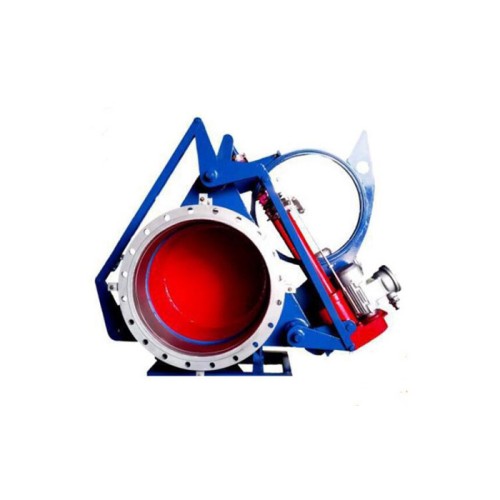
Blind valves, also known as blanking valves, are used to close off the flow of fluid in a pipeline. They are typically installed at the end of a line or at a specific point in the system where temporary isolation or closure is required. Blind valves are designed to provide a tight seal to prevent the flow of fluid, and they are available in various types, including bolted bonnet, pressure seal, and welded bonnet designs, to accommodate different pressure and temperature requirements. These valves are commonly used during maintenance, repair, or testing of the pipeline system, as well as for isolating sections of the pipeline for safety or operational reasons. The selection of blind valves depends on factors such as the type of fluid, pressure rating, temperature range, and the specific application within the pipeline system. Proper installation and maintenance of blind valves are essential to ensure reliable and safe operation, as well as to prevent leakage and potential hazards within the pipeline.

Why Use Spectacle Blind Instead Of Valve?
Spectacle blinds are used in piping systems for the purpose of temporarily closing off a pipe or isolating a section of the pipeline. They consist of two metal discs connected by a section of metal, resembling a pair of spectacles, hence the name. The main advantage of using spectacle blinds instead of valves for isolation is that they provide a more secure and reliable closure. When a spectacle blind is installed, it completely blocks the flow of fluid, ensuring a tight seal and preventing any leakage. In contrast, valves, even when fully closed, may still allow a small amount of fluid to pass through, which can be undesirable in certain situations, such as during maintenance or repair activities. Additionally, spectacle blinds are often used in applications where the pipeline needs to be completely sealed off for an extended period, and where the use of a valve may not provide the level of security and isolation required. Overall, the decision to use a spectacle blind instead of a valve depends on the specific needs of the piping system, the level of isolation required, and the nature of the fluid being transported.












































































