


 български
 африкански
 албански
 амхарски
 арабски
 арменски
 азербайджански
 баски
баски
 белоруски
 бенгалски
 босненски
 каталонски
 себуано
 корсикански
 хърватски
 чешки
чешки
 датски
 холандски
 Английски
 Есперанто
 естонски
 финландски
 Френски
 фризийски
 галисийски
 грузински
 Немски
 Гръцки
 гуджарати
 хаитянски креолски
 хауса
хауса
 хавайски
 иврит
иврит
 не
не
 Мяо
Мяо
 унгарски
 исландски
 игбо
игбо
 индонезийски
 ирландски
 Италиански
 японски
 явански
 каннада
 казахски
 кхмерски
 Руанда
 корейски
 кюрдски
 киргизки
 туберкулоза
 латински
 латвийски
 литовски
 люксембургски
 македонски
 Малгаши
 малайски
 малаялам
 малтийски
 маори
маори
 маратхи
 монголски
 Мианмар
 непалски
 норвежки
 норвежки
 окситански
 Pashto
 персийски
 полски
 португалски
 пенджабски
 румънски
 Руски
Руски
 самоанска
 шотландски келтски
 сръбски
 Английски
 Шона
Шона
 Синдхи
 сингалски
 словашки
 словенски
 сомалийски
 испански
 сундански
 суахили
 шведски
 тагалог
 таджикски
 тамилски
 татарски
 телугу
 тайландски
 Турски
 туркменски
 украински
 урду
урду
 уйгурски
 узбекски
 виетнамски
 уелски
 Помогне
 идиш
идиш
 йоруба
 зулу
зулу


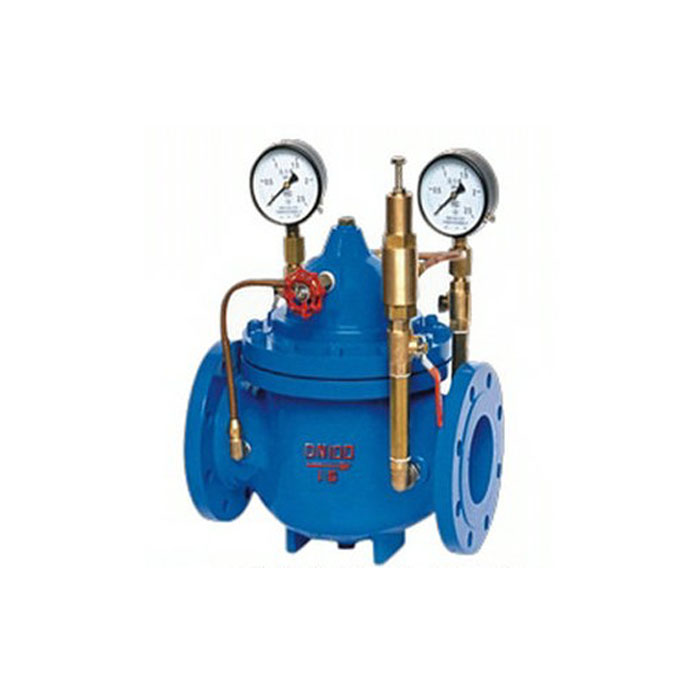
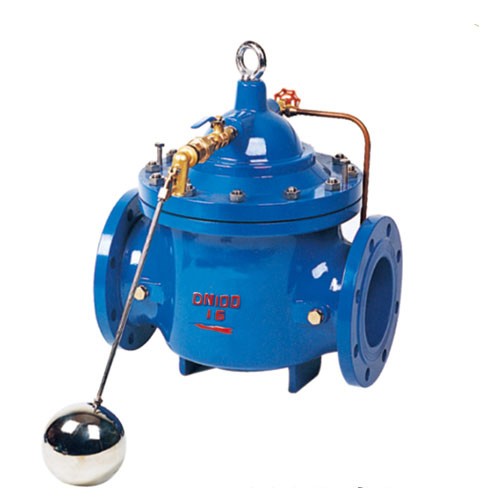
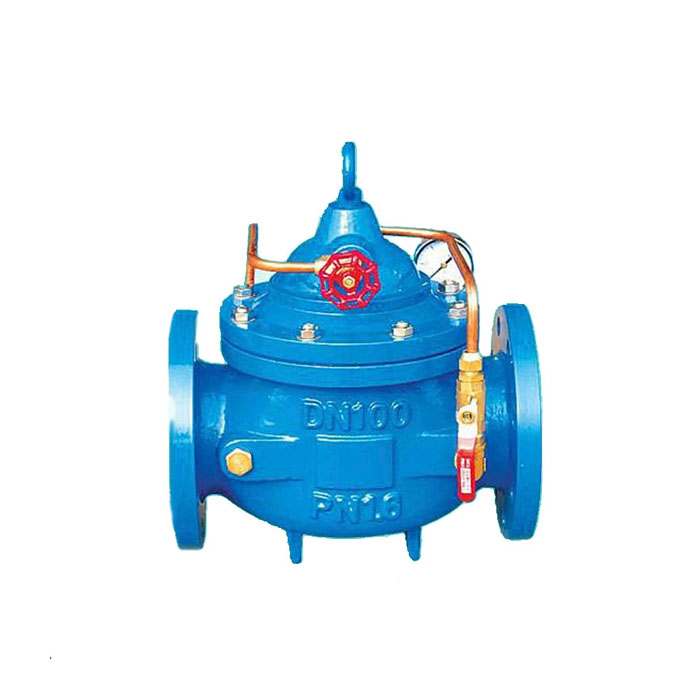
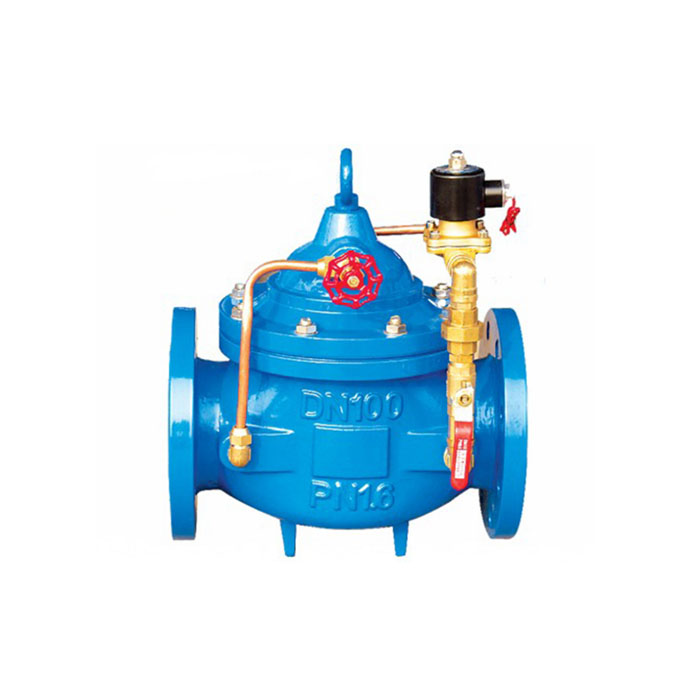
Control valve is a critical component in fluid systems that is used to regulate the flow, pressure, temperature, or level of a fluid within a process. It achieves this by varying the size of the flow passage as directed by a signal from a controller. Control valves are essential for maintaining precise control over the process conditions, ensuring that the system operates within specified parameters. They are widely used in industries such as oil and gas, chemical processing, power generation, and water treatment, where accurate control of fluid flow is crucial for operational efficiency and safety. Control valves come in various types, including globe valves, butterfly valves, ball valves, and diaphragm valves, each designed for specific applications and control requirements. The selection of a control valve depends on factors such as the type of fluid, flow rates, pressure and temperature conditions, and the desired level of control precision. Proper installation, calibration, and maintenance of control valves are essential to ensure their reliable and accurate performance within the fluid system.
Why Use Control Valves?
Control valves are used to regulate the flow, pressure, temperature, or level of a fluid within a process. They are essential for maintaining precise control over the process conditions, ensuring that the system operates within specified parameters. Control valves are widely used in various industries such as oil and gas, chemical processing, power generation, and water treatment, where accurate control of fluid flow is crucial for operational efficiency and safety. By using control valves, operators can adjust the flow rates and other process parameters to meet the changing demands of the system, optimize energy usage, and maintain product quality. Additionally, control valves play a critical role in ensuring the safety and reliability of the overall process by providing the means to regulate and manage the flow of fluids in a controlled and efficient manner. Overall, the use of control valves is essential for achieving precise and effective control over fluid processes, contributing to improved system performance, energy efficiency, and operational safety.












































































