


 Magyar
 afrikai
 albán
albán
 amhara
 arab
arab
 örmény
 azerbajdzsáni
 baszk
baszk
 fehérorosz
 bengáli
 bosnyák
 bolgár
 katalán
 Cebuano
 korzikai
 horvát
 cseh
cseh
 dán
dán
 holland
 angol
angol
 eszperantó
 észt
észt
 finn
finn
 Francia
 fríz
fríz
 galíciai
 grúz
grúz
 német
német
 görög
görög
 gudzsaráti
 Haiti kreol
 hausa
hausa
 hawaii
 héber
héber
 Dehogy
 Miao
Miao
 izlandi
 igbo
igbo
 indonéz
 ír
ír
 olasz
olasz
 japán
japán
 jávai
jávai
 kannada
 kazah
kazah
 khmer
khmer
 ruandai
 koreai
 kurd
kurd
 kirgiz
 tuberkulózis
 latin
latin
 lett
lett
 litván
 luxemburgi
 macedón
 Malgashi
 maláj
maláj
 Malayalam
 máltai
 maori
maori
 marathi
 mongol
 Mianmar
 nepáli
 norvég
 norvég
 okszitán
 pastu
pastu
 perzsa
 fényesít
 portugál
 pandzsábi
 román
román
 orosz
orosz
 szamoai
 skót gael
 szerb
szerb
 angol
angol
 Shona
Shona
 szindhi
 szingaléz
 szlovák
 szlovén
 szomáliai
 spanyol
 szundanai
 szuahéli
 svéd
svéd
 tagalog
 tadzsik
 tamil
tamil
 tatár
tatár
 telugu
 thai
thai
 török
török
 türkmén
 ukrán
ukrán
 urdu
urdu
 ujgur
ujgur
 üzbég
üzbég
 vietnami
 walesi
 Segítség
 jiddis
 joruba
 zulu
zulu


Control valve is a critical component in fluid systems that is used to regulate the flow, pressure, temperature, or level of a fluid within a process. It achieves this by varying the size of the flow passage as directed by a signal from a controller. Control valves are essential for maintaining precise control over the process conditions, ensuring that the system operates within specified parameters. They are widely used in industries such as oil and gas, chemical processing, power generation, and water treatment, where accurate control of fluid flow is crucial for operational efficiency and safety. Control valves come in various types, including globe valves, butterfly valves, ball valves, and diaphragm valves, each designed for specific applications and control requirements. The selection of a control valve depends on factors such as the type of fluid, flow rates, pressure and temperature conditions, and the desired level of control precision. Proper installation, calibration, and maintenance of control valves are essential to ensure their reliable and accurate performance within the fluid system.
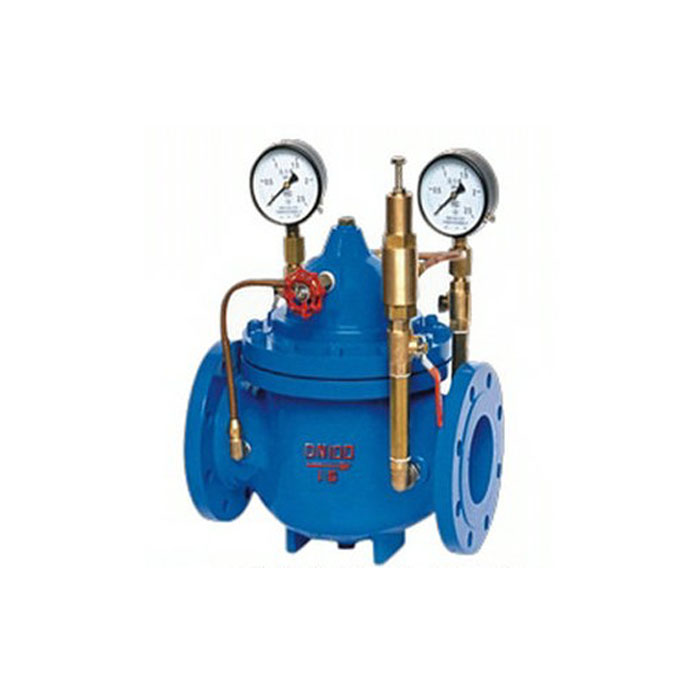
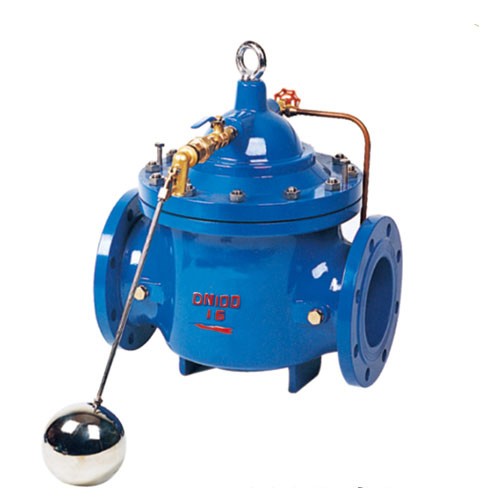
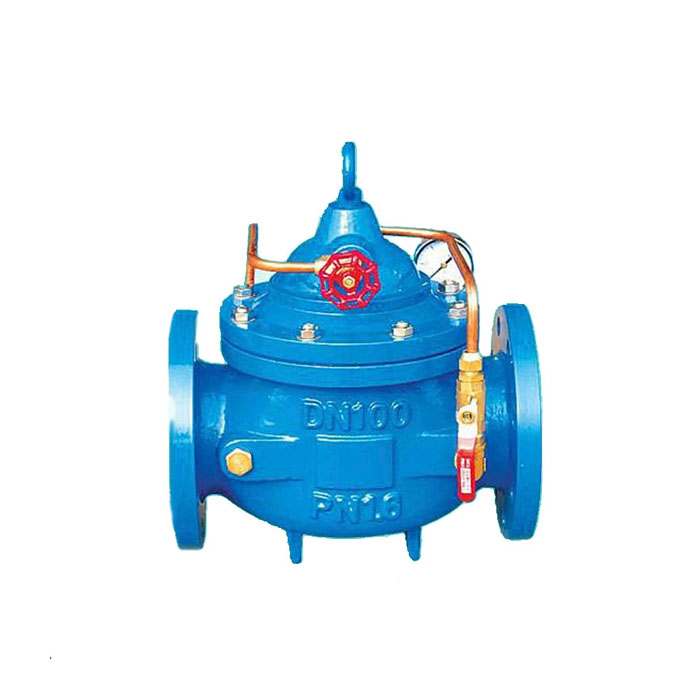
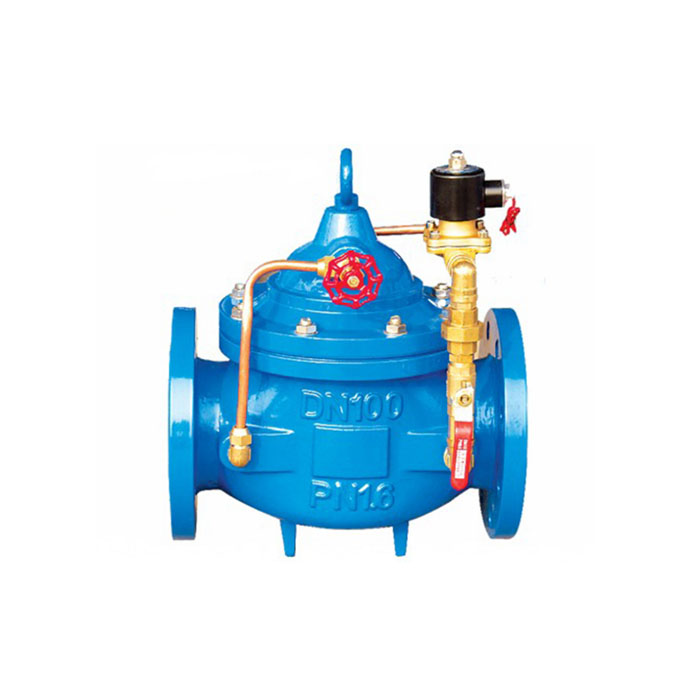
Why Use Control Valves?
Control valves are used to regulate the flow, pressure, temperature, or level of a fluid within a process. They are essential for maintaining precise control over the process conditions, ensuring that the system operates within specified parameters. Control valves are widely used in various industries such as oil and gas, chemical processing, power generation, and water treatment, where accurate control of fluid flow is crucial for operational efficiency and safety. By using control valves, operators can adjust the flow rates and other process parameters to meet the changing demands of the system, optimize energy usage, and maintain product quality. Additionally, control valves play a critical role in ensuring the safety and reliability of the overall process by providing the means to regulate and manage the flow of fluids in a controlled and efficient manner. Overall, the use of control valves is essential for achieving precise and effective control over fluid processes, contributing to improved system performance, energy efficiency, and operational safety.












































































