


 አማርኛ
አማርኛ
 አፍሪካዊ
አፍሪካዊ
 አልበንያኛ
 አረብኛ
አረብኛ
 አርመንያኛ
 አዘርባጃኒ
 ባስክ
ባስክ
 ቤላሩሲያን
 ቤንጋሊ
ቤንጋሊ
 ቦስንያን
ቦስንያን
 ቡልጋርያኛ
 ካታሊያን
ካታሊያን
 ሴቡአኖ
ሴቡአኖ
 ኮርሲካን
ኮርሲካን
 ክሮኤሽያን
 ቼክ
ቼክ
 ዳኒሽ
ዳኒሽ
 ደች
ደች
 እንግሊዝኛ
 እስፔራንቶ
 ኢስቶኒያን
 ፊኒሽ
ፊኒሽ
 ፈረንሳይኛ
 ፍሪሲያን
ፍሪሲያን
 ጋላሺያን
ጋላሺያን
 ጆርጅያን
ጆርጅያን
 ጀርመንኛ
ጀርመንኛ
 ግሪክኛ
ግሪክኛ
 ጉጅራቲ
ጉጅራቲ
 ሓይቲያን ክሬኦሌ
 ሃውሳ
ሃውሳ
 ሐዋያን
ሐዋያን
 ሂብሩ
ሂብሩ
 አይደለም
አይደለም
 ሚያኦ
ሚያኦ
 ሃንጋሪያን
 አይስላንዲ ክ
 igbo
igbo
 ኢንዶኔዥያን
 አይሪሽ
አይሪሽ
 ጣሊያንኛ
ጣሊያንኛ
 ጃፓንኛ
ጃፓንኛ
 ጃቫኒስ
ጃቫኒስ
 ካናዳ
ካናዳ
 ካዛክሀ
ካዛክሀ
 ክመር
ክመር
 ሩዋንዳኛ
ሩዋንዳኛ
 ኮሪያኛ
ኮሪያኛ
 ኩርዲሽ
ኩርዲሽ
 ክይርግያዝ
 ቲቢ
ቲቢ
 ላቲን
ላቲን
 ላትቪያን
ላትቪያን
 ሊቱኒያን
ሊቱኒያን
 ሉክዜምብርጊሽ
 ማስዶንያን
 ማልጋሺ
ማልጋሺ
 ማላይ
ማላይ
 ማላያላም
ማላያላም
 ማልትስ
ማልትስ
 ማኦሪይ
ማኦሪይ
 ማራቲ
ማራቲ
 ሞኒጎሊያን
 ማይንማር
ማይንማር
 ኔፓሊ
ኔፓሊ
 ኖርወይኛ
ኖርወይኛ
 ኖርወይኛ
ኖርወይኛ
 ኦሲታን
ኦሲታን
 ፓሽቶ
ፓሽቶ
 ፐርሽያን
ፐርሽያን
 ፖሊሽ
ፖሊሽ
 ፖርቹጋልኛ
 ፑንጃቢ
ፑንጃቢ
 ሮማንያን
ሮማንያን
 ራሺያኛ
ራሺያኛ
 ሳሞአን
ሳሞአን
 ስኮትላንዳዊ ጌሊክ
 ሰሪቢያን
ሰሪቢያን
 እንግሊዝኛ
 ሾና
ሾና
 ስንድሂ
ስንድሂ
 ሲንሃላ
ሲንሃላ
 ስሎቫክ
ስሎቫክ
 ስሎቬንያን
 ሶማሊ
ሶማሊ
 ስፓንኛ
ስፓንኛ
 ሱዳናዊ
ሱዳናዊ
 ስዋሕሊ
ስዋሕሊ
 ስዊድንኛ
ስዊድንኛ
 ታንጋሎግ
ታንጋሎግ
 ታጂክ
ታጂክ
 ታሚል
ታሚል
 ታታር
ታታር
 ተሉጉ
ተሉጉ
 ታይ
ታይ
 ቱሪክሽ
ቱሪክሽ
 ቱሪክሜን
ቱሪክሜን
 ዩክሬንያን
 ኡርዱ
ኡርዱ
 ኡጉር
ኡጉር
 ኡዝቤክ
ኡዝቤክ
 ቪትናሜሴ
ቪትናሜሴ
 ዋልሽ
ዋልሽ
 እገዛ
እገዛ
 ዪዲሽ
ዪዲሽ
 ዮሩባ
ዮሩባ
 ዙሉ
ዙሉ


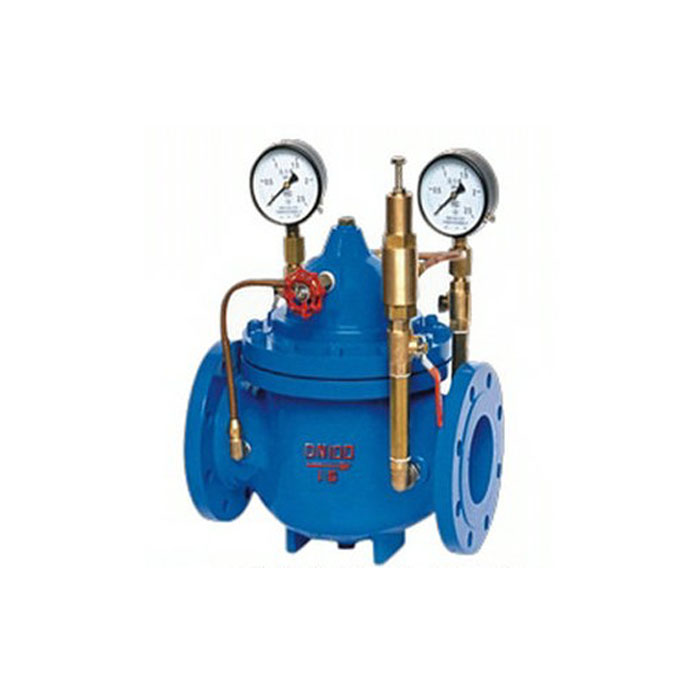
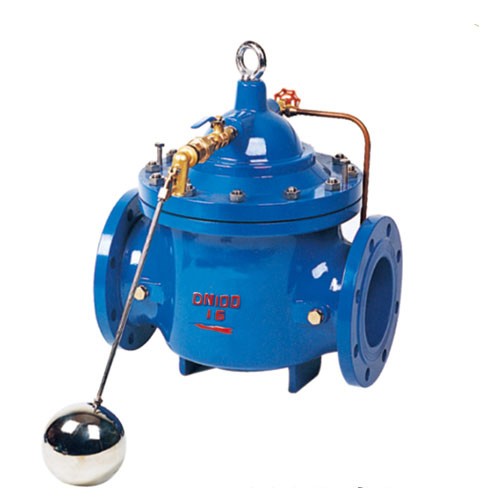
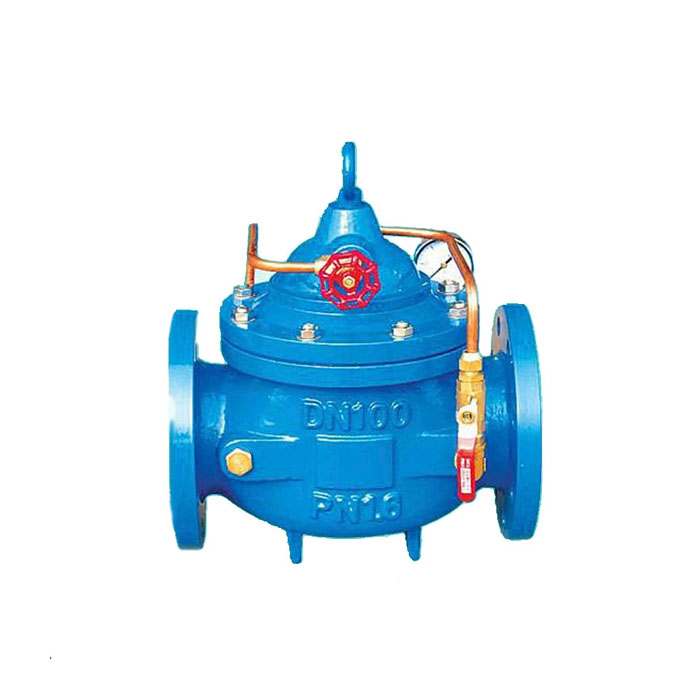
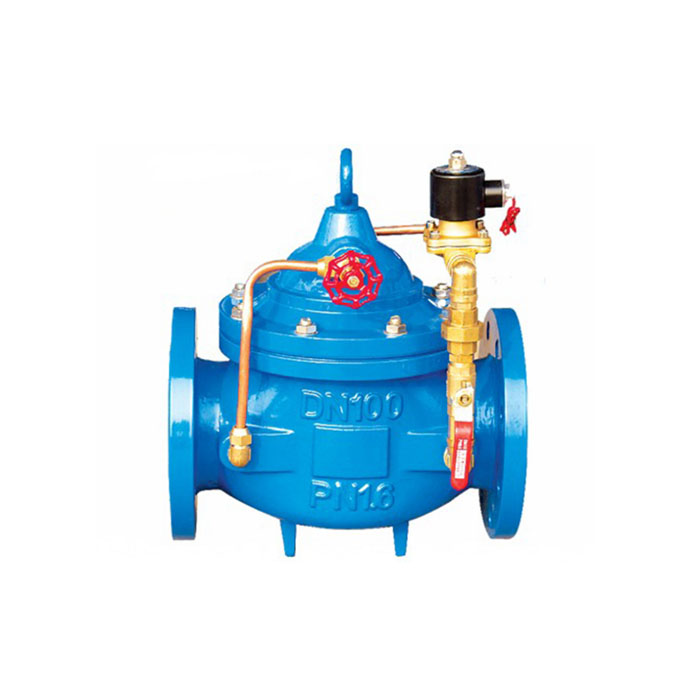
Control valve is a critical component in fluid systems that is used to regulate the flow, pressure, temperature, or level of a fluid within a process. It achieves this by varying the size of the flow passage as directed by a signal from a controller. Control valves are essential for maintaining precise control over the process conditions, ensuring that the system operates within specified parameters. They are widely used in industries such as oil and gas, chemical processing, power generation, and water treatment, where accurate control of fluid flow is crucial for operational efficiency and safety. Control valves come in various types, including globe valves, butterfly valves, ball valves, and diaphragm valves, each designed for specific applications and control requirements. The selection of a control valve depends on factors such as the type of fluid, flow rates, pressure and temperature conditions, and the desired level of control precision. Proper installation, calibration, and maintenance of control valves are essential to ensure their reliable and accurate performance within the fluid system.
Why Use Control Valves?
Control valves are used to regulate the flow, pressure, temperature, or level of a fluid within a process. They are essential for maintaining precise control over the process conditions, ensuring that the system operates within specified parameters. Control valves are widely used in various industries such as oil and gas, chemical processing, power generation, and water treatment, where accurate control of fluid flow is crucial for operational efficiency and safety. By using control valves, operators can adjust the flow rates and other process parameters to meet the changing demands of the system, optimize energy usage, and maintain product quality. Additionally, control valves play a critical role in ensuring the safety and reliability of the overall process by providing the means to regulate and manage the flow of fluids in a controlled and efficient manner. Overall, the use of control valves is essential for achieving precise and effective control over fluid processes, contributing to improved system performance, energy efficiency, and operational safety.












































































