


 Italiano
 africano
 albanese
 Amarico
 Arabo
Arabo
 armeno
 Azero
Azero
 Basco
Basco
 bielorusso
 bengalese
 Bosniaco
 bulgaro
 catalano
 Cebuano
 Corso
Corso
 croato
 ceco
ceco
 danese
 Olandese
 Inglese
 esperanto
 Estone
 finlandese
 francese
 Frisone
 galiziano
 georgiano
 Tedesco
 greco
greco
 Gujarati
 Creolo haitiano
 haussa
 hawaiano
 ebraico
 No
No
 Miao
Miao
 ungherese
 islandese
 igbo
igbo
 indonesiano
 irlandesi
 giapponese
 giavanese
 Kannada
 kazako
 Khmer
Khmer
 Ruandese
 coreano
 curdo
curdo
 Kirghizistan
 TBC
TBC
 latino
 lettone
 lituano
 Lussemburghese
 macedone
 Malgashi
 malese
 Malayalam
 maltese
 Maori
Maori
 Marathi
 mongolo
 Myanmar
 nepalese
 norvegese
 norvegese
 occitano
 Pashtu
 persiano
 Polacco
 portoghese
 Punjabi
 rumeno
 russo
russo
 Samoano
 Gaelico Scozzese
 serbo
serbo
 Inglese
 Shona
Shona
 Sindhi
 Singalese
 slovacco
 sloveno
 Somalo
 spagnolo
 Sundanese
 Swahili
 svedese
 Tagalog
 Tagico
 Tamil
Tamil
 Tartaro
 Telugu
 tailandese
 Turco
Turco
 turkmeno
 ucraino
 Urdu
Urdu
 Uiguro
 Uzbeco
 vietnamita
 gallese
 Aiuto
Aiuto
 yiddish
 Yoruba
 Zulù
Zulù


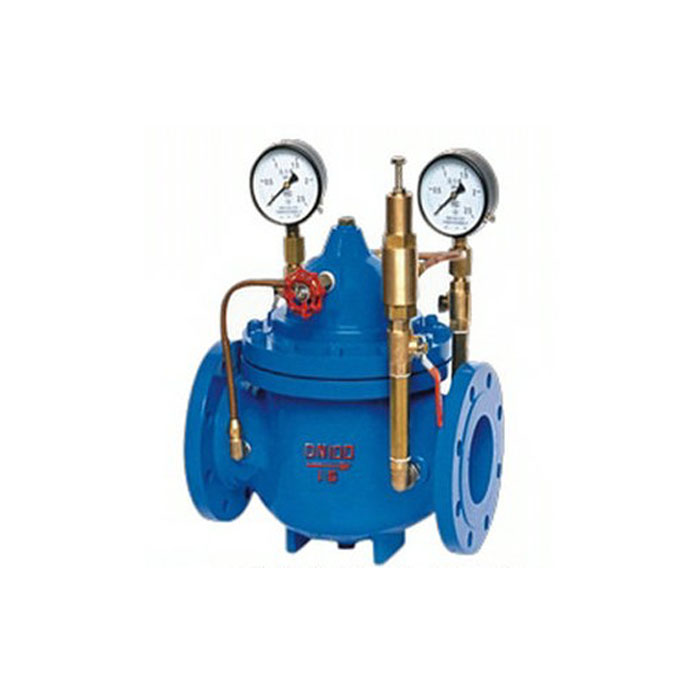
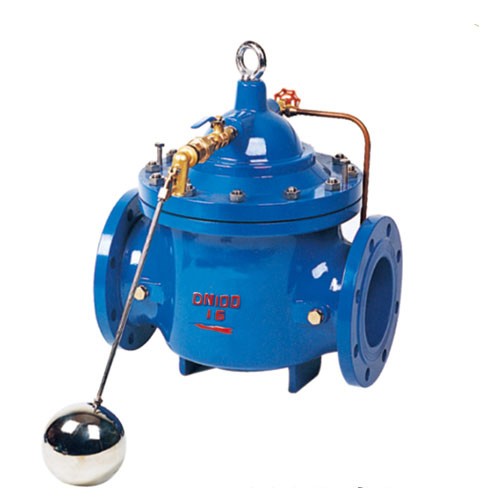
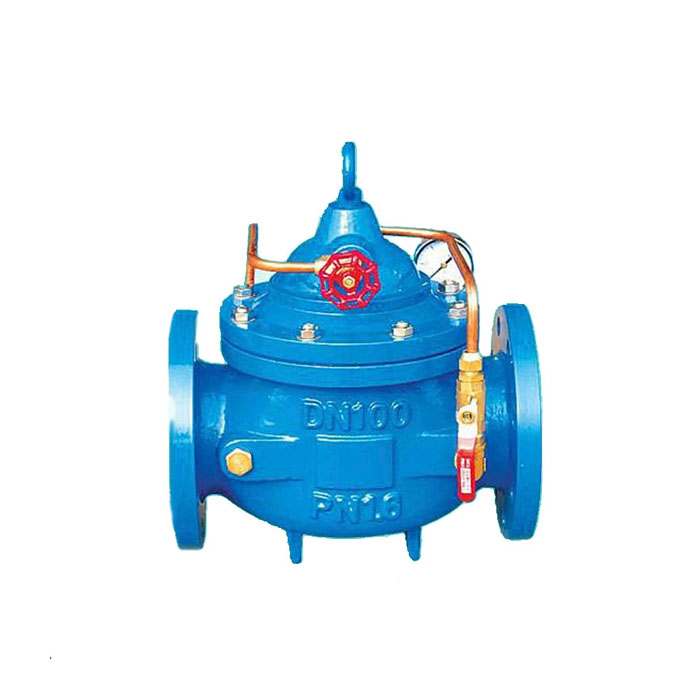
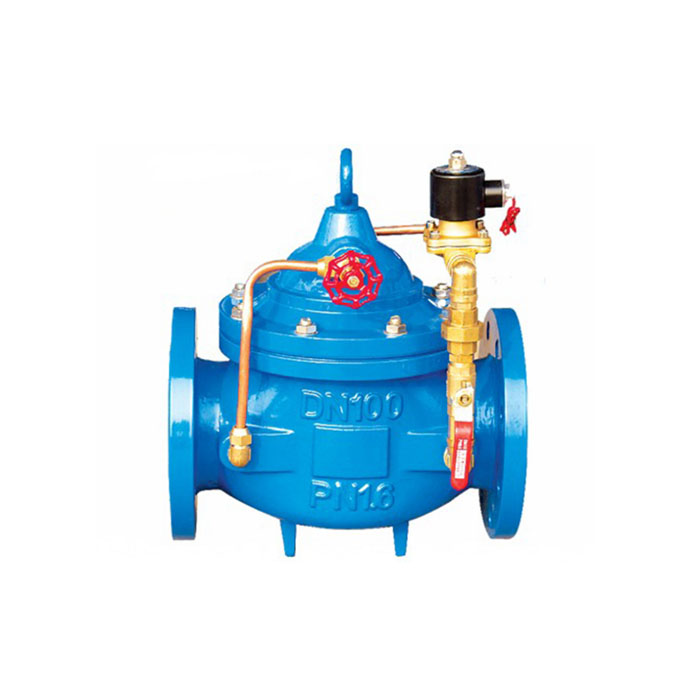
Control valve is a critical component in fluid systems that is used to regulate the flow, pressure, temperature, or level of a fluid within a process. It achieves this by varying the size of the flow passage as directed by a signal from a controller. Control valves are essential for maintaining precise control over the process conditions, ensuring that the system operates within specified parameters. They are widely used in industries such as oil and gas, chemical processing, power generation, and water treatment, where accurate control of fluid flow is crucial for operational efficiency and safety. Control valves come in various types, including globe valves, butterfly valves, ball valves, and diaphragm valves, each designed for specific applications and control requirements. The selection of a control valve depends on factors such as the type of fluid, flow rates, pressure and temperature conditions, and the desired level of control precision. Proper installation, calibration, and maintenance of control valves are essential to ensure their reliable and accurate performance within the fluid system.
Why Use Control Valves?
Control valves are used to regulate the flow, pressure, temperature, or level of a fluid within a process. They are essential for maintaining precise control over the process conditions, ensuring that the system operates within specified parameters. Control valves are widely used in various industries such as oil and gas, chemical processing, power generation, and water treatment, where accurate control of fluid flow is crucial for operational efficiency and safety. By using control valves, operators can adjust the flow rates and other process parameters to meet the changing demands of the system, optimize energy usage, and maintain product quality. Additionally, control valves play a critical role in ensuring the safety and reliability of the overall process by providing the means to regulate and manage the flow of fluids in a controlled and efficient manner. Overall, the use of control valves is essential for achieving precise and effective control over fluid processes, contributing to improved system performance, energy efficiency, and operational safety.












































































