


 Italiano
 africano
 albanese
 Amarico
 Arabo
Arabo
 armeno
 Azero
Azero
 Basco
Basco
 bielorusso
 bengalese
 Bosniaco
 bulgaro
 catalano
 Cebuano
 Corso
Corso
 croato
 ceco
ceco
 danese
 Olandese
 Inglese
 esperanto
 Estone
 finlandese
 francese
 Frisone
 galiziano
 georgiano
 Tedesco
 greco
greco
 Gujarati
 Creolo haitiano
 haussa
 hawaiano
 ebraico
 No
No
 Miao
Miao
 ungherese
 islandese
 igbo
igbo
 indonesiano
 irlandesi
 giapponese
 giavanese
 Kannada
 kazako
 Khmer
Khmer
 Ruandese
 coreano
 curdo
curdo
 Kirghizistan
 TBC
TBC
 latino
 lettone
 lituano
 Lussemburghese
 macedone
 Malgashi
 malese
 Malayalam
 maltese
 Maori
Maori
 Marathi
 mongolo
 Myanmar
 nepalese
 norvegese
 norvegese
 occitano
 Pashtu
 persiano
 Polacco
 portoghese
 Punjabi
 rumeno
 russo
russo
 Samoano
 Gaelico Scozzese
 serbo
serbo
 Inglese
 Shona
Shona
 Sindhi
 Singalese
 slovacco
 sloveno
 Somalo
 spagnolo
 Sundanese
 Swahili
 svedese
 Tagalog
 Tagico
 Tamil
Tamil
 Tartaro
 Telugu
 tailandese
 Turco
Turco
 turkmeno
 ucraino
 Urdu
Urdu
 Uiguro
 Uzbeco
 vietnamita
 gallese
 Aiuto
Aiuto
 yiddish
 Yoruba
 Zulù
Zulù


Blind valves, also known as blanking valves, are used to close off the flow of fluid in a pipeline. They are typically installed at the end of a line or at a specific point in the system where temporary isolation or closure is required. Blind valves are designed to provide a tight seal to prevent the flow of fluid, and they are available in various types, including bolted bonnet, pressure seal, and welded bonnet designs, to accommodate different pressure and temperature requirements. These valves are commonly used during maintenance, repair, or testing of the pipeline system, as well as for isolating sections of the pipeline for safety or operational reasons. The selection of blind valves depends on factors such as the type of fluid, pressure rating, temperature range, and the specific application within the pipeline system. Proper installation and maintenance of blind valves are essential to ensure reliable and safe operation, as well as to prevent leakage and potential hazards within the pipeline.
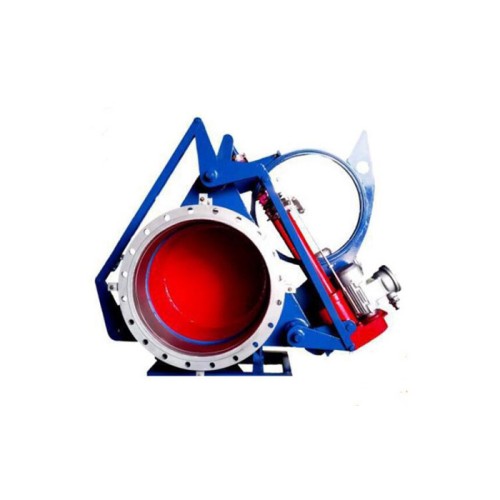

Why Use Spectacle Blind Instead Of Valve?
Spectacle blinds are used in piping systems for the purpose of temporarily closing off a pipe or isolating a section of the pipeline. They consist of two metal discs connected by a section of metal, resembling a pair of spectacles, hence the name. The main advantage of using spectacle blinds instead of valves for isolation is that they provide a more secure and reliable closure. When a spectacle blind is installed, it completely blocks the flow of fluid, ensuring a tight seal and preventing any leakage. In contrast, valves, even when fully closed, may still allow a small amount of fluid to pass through, which can be undesirable in certain situations, such as during maintenance or repair activities. Additionally, spectacle blinds are often used in applications where the pipeline needs to be completely sealed off for an extended period, and where the use of a valve may not provide the level of security and isolation required. Overall, the decision to use a spectacle blind instead of a valve depends on the specific needs of the piping system, the level of isolation required, and the nature of the fluid being transported.












































































