


 اردو
اردو
 افریقی
 البانوی
 امہاری
 عربی
عربی
 آرمینیائی
 آذربائیجانی
 باسکی
باسکی
 بیلاروسی
 بنگالی
 بوسنیائی
 بلغاریائی
 کاتالان
 سیبوانو
 کورسیکن
 کروشین
 چیک
چیک
 ڈینش
ڈینش
 ڈچ
ڈچ
 انگریزی
 ایسپرانٹو
 اسٹونین
 فنش
فنش
 فرانسیسی
 فریسیئن
 گالیشین
 جارجیائی
 جرمن
جرمن
 یونانی
 گجراتی
 ہیٹی کریول
 ہاؤسا
ہاؤسا
 ہوائی
ہوائی
 عبرانی
 nope کیا
 میاؤ
میاؤ
 ہنگری
ہنگری
 آئس لینڈی
 igbo
igbo
 انڈونیشین
 آئرش
آئرش
 اطالوی
 جاپانی
 جاویانی
 کنڑ
کنڑ
 قازق
قازق
 خمیر
خمیر
 روانڈا
 کورین
کورین
 کرد
کرد
 کرغیز
کرغیز
 ٹی بی
ٹی بی
 لاطینی
 لیٹوین
 لتھوانیائی
 لکسمبرگش
 مقدونیائی
 مالگاشی
 مالائی
 ملیالم
 مالٹیز
 ماوری
ماوری
 مراٹھی
 منگول
منگول
 میانمار
 نیپالی
 ناروے
ناروے
 ناروے
ناروے
 آکسیٹن
 پشتو
پشتو
 فارسی
فارسی
 پولش
پولش
 پرتگالی
 پنجابی
 رومانیہ
 روسی
روسی
 سامون
سامون
 سکاٹش گیلک
 سربیائی
 انگریزی
 شونا
شونا
 سندھی
سندھی
 سنہالا
 سلوواک
 سلووینیائی
 صومالی
 ہسپانوی
 سنڈانی
 سواحلی
 سویڈش
سویڈش
 ٹیگالوگ
 تاجک
تاجک
 تامل
تامل
 تاتار
تاتار
 تیلگو
تیلگو
 تھائی
تھائی
 ترکی
ترکی
 ترکمان
 یوکرینی
 ایغور
ایغور
 ازبک
ازبک
 ویتنامی
 ویلش
ویلش
 مدد
مدد
 یدش
یدش
 یوروبا
 زولو
زولو


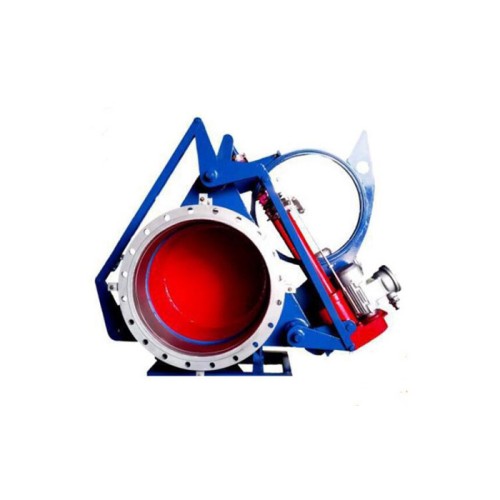
Blind valves, also known as blanking valves, are used to close off the flow of fluid in a pipeline. They are typically installed at the end of a line or at a specific point in the system where temporary isolation or closure is required. Blind valves are designed to provide a tight seal to prevent the flow of fluid, and they are available in various types, including bolted bonnet, pressure seal, and welded bonnet designs, to accommodate different pressure and temperature requirements. These valves are commonly used during maintenance, repair, or testing of the pipeline system, as well as for isolating sections of the pipeline for safety or operational reasons. The selection of blind valves depends on factors such as the type of fluid, pressure rating, temperature range, and the specific application within the pipeline system. Proper installation and maintenance of blind valves are essential to ensure reliable and safe operation, as well as to prevent leakage and potential hazards within the pipeline.

Why Use Spectacle Blind Instead Of Valve?
Spectacle blinds are used in piping systems for the purpose of temporarily closing off a pipe or isolating a section of the pipeline. They consist of two metal discs connected by a section of metal, resembling a pair of spectacles, hence the name. The main advantage of using spectacle blinds instead of valves for isolation is that they provide a more secure and reliable closure. When a spectacle blind is installed, it completely blocks the flow of fluid, ensuring a tight seal and preventing any leakage. In contrast, valves, even when fully closed, may still allow a small amount of fluid to pass through, which can be undesirable in certain situations, such as during maintenance or repair activities. Additionally, spectacle blinds are often used in applications where the pipeline needs to be completely sealed off for an extended period, and where the use of a valve may not provide the level of security and isolation required. Overall, the decision to use a spectacle blind instead of a valve depends on the specific needs of the piping system, the level of isolation required, and the nature of the fluid being transported.












































































