


 Slovenščina
 Afriški
 albanski
 amharščina
 arabsko
 armenski
 azerbajdžanski
 baskovščina
 beloruski
 bengalščina
 bosanski
 bolgarščina
 katalonski
 Cebuano
 korziški
 hrvaško
 češki
češki
 danščina
 nizozemščina
 angleščina
 Esperanto
 estonski
 finščina
 francosko
 frizijščina
 galicijski
 gruzijski
 nemški
 grški
grški
 gudžaratščina
 haitska kreolščina
 hiša
hiša
 havajski
 hebrejščina
 ne
ne
 Miao
Miao
 madžarski
 islandski
 igbo
igbo
 indonezijski
 irski
irski
 italijanščina
 japonska
 javanska
 kanadščina
 kazahstanski
 kmerski
 ruandski
 korejščina
 kurdski
 Kirgiz
 TB
TB
 latinsko
 latvijščina
 litovski
 luksemburški
 makedonski
 Malgaši
 malajščina
 malajalamščina
 maltežan
 maorski
 maratščina
 mongolski
 Mjanmar
 nepalsko
 norveški
 norveški
 okcitanščina
 paštu
paštu
 perzijsko
 poljski
 portugalščina
 pandžabščina
 romunščina
 ruski
ruski
 samoanska
 škotska gelščina
 srbsko
 angleščina
 Shona
Shona
 Sindhi
 singalščina
 slovaški
 somalski
 španski
 sundanski
 svahili
 švedščina
 Tagalog
 tadžikistanski
 tamilščina
 tatarščina
 telugu
 tajska
 turško
 turkmenski
 ukrajinski
 urdu
urdu
 ujgurski
 Uzbek
Uzbek
 vietnamski
 valižanščina
 pomoč
pomoč
 jidiš
jidiš
 joruba
 Zulu
Zulu


Blind valves, also known as blanking valves, are used to close off the flow of fluid in a pipeline. They are typically installed at the end of a line or at a specific point in the system where temporary isolation or closure is required. Blind valves are designed to provide a tight seal to prevent the flow of fluid, and they are available in various types, including bolted bonnet, pressure seal, and welded bonnet designs, to accommodate different pressure and temperature requirements. These valves are commonly used during maintenance, repair, or testing of the pipeline system, as well as for isolating sections of the pipeline for safety or operational reasons. The selection of blind valves depends on factors such as the type of fluid, pressure rating, temperature range, and the specific application within the pipeline system. Proper installation and maintenance of blind valves are essential to ensure reliable and safe operation, as well as to prevent leakage and potential hazards within the pipeline.
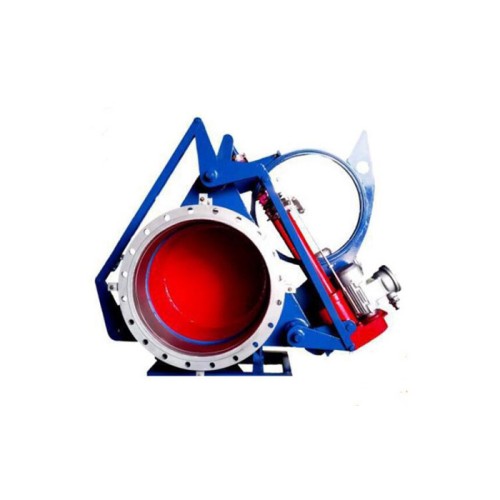

Why Use Spectacle Blind Instead Of Valve?
Spectacle blinds are used in piping systems for the purpose of temporarily closing off a pipe or isolating a section of the pipeline. They consist of two metal discs connected by a section of metal, resembling a pair of spectacles, hence the name. The main advantage of using spectacle blinds instead of valves for isolation is that they provide a more secure and reliable closure. When a spectacle blind is installed, it completely blocks the flow of fluid, ensuring a tight seal and preventing any leakage. In contrast, valves, even when fully closed, may still allow a small amount of fluid to pass through, which can be undesirable in certain situations, such as during maintenance or repair activities. Additionally, spectacle blinds are often used in applications where the pipeline needs to be completely sealed off for an extended period, and where the use of a valve may not provide the level of security and isolation required. Overall, the decision to use a spectacle blind instead of a valve depends on the specific needs of the piping system, the level of isolation required, and the nature of the fluid being transported.












































































