


 Slovenščina
 Afriški
 albanski
 amharščina
 arabsko
 armenski
 azerbajdžanski
 baskovščina
 beloruski
 bengalščina
 bosanski
 bolgarščina
 katalonski
 Cebuano
 korziški
 hrvaško
 češki
češki
 danščina
 nizozemščina
 angleščina
 Esperanto
 estonski
 finščina
 francosko
 frizijščina
 galicijski
 gruzijski
 nemški
 grški
grški
 gudžaratščina
 haitska kreolščina
 hiša
hiša
 havajski
 hebrejščina
 ne
ne
 Miao
Miao
 madžarski
 islandski
 igbo
igbo
 indonezijski
 irski
irski
 italijanščina
 japonska
 javanska
 kanadščina
 kazahstanski
 kmerski
 ruandski
 korejščina
 kurdski
 Kirgiz
 TB
TB
 latinsko
 latvijščina
 litovski
 luksemburški
 makedonski
 Malgaši
 malajščina
 malajalamščina
 maltežan
 maorski
 maratščina
 mongolski
 Mjanmar
 nepalsko
 norveški
 norveški
 okcitanščina
 paštu
paštu
 perzijsko
 poljski
 portugalščina
 pandžabščina
 romunščina
 ruski
ruski
 samoanska
 škotska gelščina
 srbsko
 angleščina
 Shona
Shona
 Sindhi
 singalščina
 slovaški
 somalski
 španski
 sundanski
 svahili
 švedščina
 Tagalog
 tadžikistanski
 tamilščina
 tatarščina
 telugu
 tajska
 turško
 turkmenski
 ukrajinski
 urdu
urdu
 ujgurski
 Uzbek
Uzbek
 vietnamski
 valižanščina
 pomoč
pomoč
 jidiš
jidiš
 joruba
 Zulu
Zulu


Balanced valve, also known as a balancing valve, is a type of valve used in fluid systems to regulate and control the flow of liquids or gases. It is designed to ensure that the flow rates through different branches of a piping system are properly balanced, meaning that the flow is evenly distributed according to the system's design requirements. Balanced valves are commonly used in hydronic heating and cooling systems, as well as in HVAC systems, to maintain optimal flow conditions and to achieve efficient and uniform distribution of the heating or cooling medium. These valves are available in various types, including globe valves, ball valves, and specialized balancing valves, each designed to provide precise flow control and balancing capabilities. The classification of balanced valves is based on factors such as the type of fluid being controlled, the pressure and temperature requirements, and the specific application within the fluid system. Proper selection and installation of balanced valves are essential for ensuring the overall performance, energy efficiency, and reliability of the fluid system.

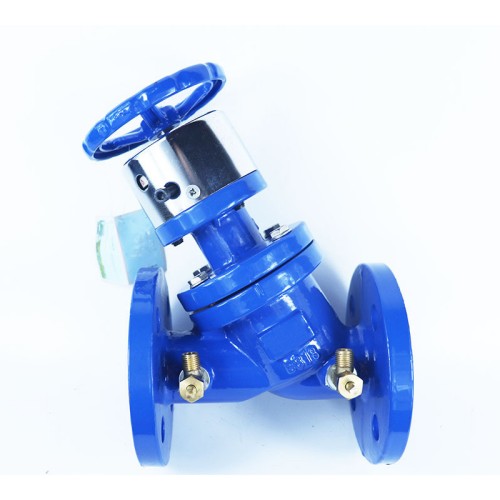

How To Balance A Balancing Valve?
Balancing a balancing valve involves adjusting the valve to ensure that the flow of fluid through the system is properly distributed. Here are the general steps for balancing a balancing valve:
1. Initial Setting: Begin by setting the balancing valve to its initial position, typically fully open or fully closed, depending on the specific valve design and the system requirements.
2. Measure Flow: Use flow measurement devices such as flow meters to determine the actual flow rates through different branches of the system. This step helps identify any imbalances in the flow distribution.
3. Adjust Valve Position: Based on the flow measurements, adjust the position of the balancing valve to regulate the flow through each branch of the system. This may involve partially opening or closing the valve to achieve the desired flow rates.
4. Verify and Fine-Tune: After adjusting the valve position, verify the flow rates again to ensure that the desired balance is achieved. Fine-tune the valve position as needed to achieve the specified flow distribution.
5. Repeat if Necessary: In complex systems or systems with changing operating conditions, the balancing process may need to be repeated periodically to maintain optimal flow balance.
Balancing a balancing valve is essential for ensuring that the flow of fluid through the system is evenly distributed, which helps optimize system performance, energy efficiency, and equipment longevity. Proper balancing also contributes to maintaining consistent temperatures and pressures throughout the system.












































































