


 Français
 africain
 albanais
 Amharique
 arabe
arabe
 arménien
 azerbaïdjanais
 Basque
 biélorusse
 bengali
 bosniaque
 bulgare
 catalan
 Cebuano
 Corse
Corse
 croate
 tchèque
 danois
 Néerlandais
 Anglais
 espéranto
 estonien
 finlandais
 frison
 Galicien
 géorgien
 Allemand
 grec
grec
 Gujarati
 Créole haïtien
 haoussa
 hawaïen
 hébreu
 Non
Non
 Miao
Miao
 hongrois
 islandais
 igbo
igbo
 indonésien
 irlandais
 italien
 Japonais
 Javanais
 Kannada
 kazakh
 Khmer
Khmer
 Rwandais
 coréen
 kurde
kurde
 Kirghize
 tuberculose
 Latin
Latin
 letton
 lituanien
 luxembourgeois
 Macédonien
 Malgashi
 malais
 Malayalam
 maltais
 Maori
Maori
 Marathi
 mongol
 Birmanie
 Népalais
 norvégien
 norvégien
 Occitan
 pachtou
 persan
 polonais
 Portugais
 Pendjabi
 roumain
 russe
russe
 Samoan
 Gaélique écossais
 serbe
serbe
 Anglais
 Shona
Shona
 Sindhi
 Cinghalais
 slovaque
 slovène
 somali
 Espagnol
 Soundanais
 Swahili
 suédois
 Tagalog
 tadjik
 Tamil
Tamil
 tatar
tatar
 Télougou
 thaïlandais
 turc
turc
 Turkmènes
 ukrainien
 Ourdou
 Ouïghour
 Ouzbek
 vietnamien
 gallois
 Aide
Aide
 yiddish
 Yorouba
 zoulou


Balanced valve, also known as a balancing valve, is a type of valve used in fluid systems to regulate and control the flow of liquids or gases. It is designed to ensure that the flow rates through different branches of a piping system are properly balanced, meaning that the flow is evenly distributed according to the system's design requirements. Balanced valves are commonly used in hydronic heating and cooling systems, as well as in HVAC systems, to maintain optimal flow conditions and to achieve efficient and uniform distribution of the heating or cooling medium. These valves are available in various types, including globe valves, ball valves, and specialized balancing valves, each designed to provide precise flow control and balancing capabilities. The classification of balanced valves is based on factors such as the type of fluid being controlled, the pressure and temperature requirements, and the specific application within the fluid system. Proper selection and installation of balanced valves are essential for ensuring the overall performance, energy efficiency, and reliability of the fluid system.

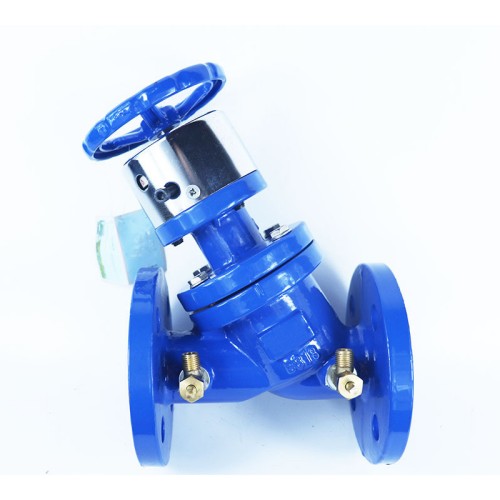

How To Balance A Balancing Valve?
Balancing a balancing valve involves adjusting the valve to ensure that the flow of fluid through the system is properly distributed. Here are the general steps for balancing a balancing valve:
1. Initial Setting: Begin by setting the balancing valve to its initial position, typically fully open or fully closed, depending on the specific valve design and the system requirements.
2. Measure Flow: Use flow measurement devices such as flow meters to determine the actual flow rates through different branches of the system. This step helps identify any imbalances in the flow distribution.
3. Adjust Valve Position: Based on the flow measurements, adjust the position of the balancing valve to regulate the flow through each branch of the system. This may involve partially opening or closing the valve to achieve the desired flow rates.
4. Verify and Fine-Tune: After adjusting the valve position, verify the flow rates again to ensure that the desired balance is achieved. Fine-tune the valve position as needed to achieve the specified flow distribution.
5. Repeat if Necessary: In complex systems or systems with changing operating conditions, the balancing process may need to be repeated periodically to maintain optimal flow balance.
Balancing a balancing valve is essential for ensuring that the flow of fluid through the system is evenly distributed, which helps optimize system performance, energy efficiency, and equipment longevity. Proper balancing also contributes to maintaining consistent temperatures and pressures throughout the system.












































































