


 Français
 africain
 albanais
 Amharique
 arabe
arabe
 arménien
 azerbaïdjanais
 Basque
 biélorusse
 bengali
 bosniaque
 bulgare
 catalan
 Cebuano
 Corse
Corse
 croate
 tchèque
 danois
 Néerlandais
 Anglais
 espéranto
 estonien
 finlandais
 frison
 Galicien
 géorgien
 Allemand
 grec
grec
 Gujarati
 Créole haïtien
 haoussa
 hawaïen
 hébreu
 Non
Non
 Miao
Miao
 hongrois
 islandais
 igbo
igbo
 indonésien
 irlandais
 italien
 Japonais
 Javanais
 Kannada
 kazakh
 Khmer
Khmer
 Rwandais
 coréen
 kurde
kurde
 Kirghize
 tuberculose
 Latin
Latin
 letton
 lituanien
 luxembourgeois
 Macédonien
 Malgashi
 malais
 Malayalam
 maltais
 Maori
Maori
 Marathi
 mongol
 Birmanie
 Népalais
 norvégien
 norvégien
 Occitan
 pachtou
 persan
 polonais
 Portugais
 Pendjabi
 roumain
 russe
russe
 Samoan
 Gaélique écossais
 serbe
serbe
 Anglais
 Shona
Shona
 Sindhi
 Cinghalais
 slovaque
 slovène
 somali
 Espagnol
 Soundanais
 Swahili
 suédois
 Tagalog
 tadjik
 Tamil
Tamil
 tatar
tatar
 Télougou
 thaïlandais
 turc
turc
 Turkmènes
 ukrainien
 Ourdou
 Ouïghour
 Ouzbek
 vietnamien
 gallois
 Aide
Aide
 yiddish
 Yorouba
 zoulou


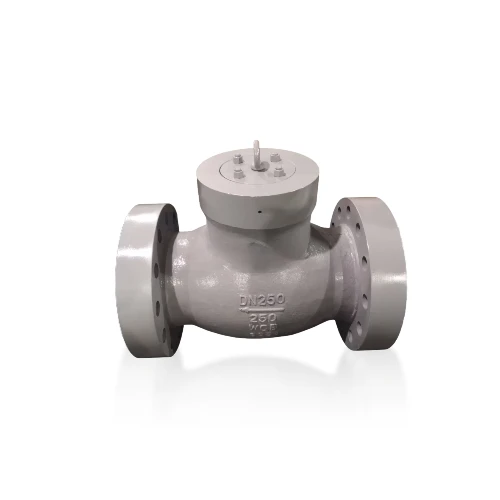
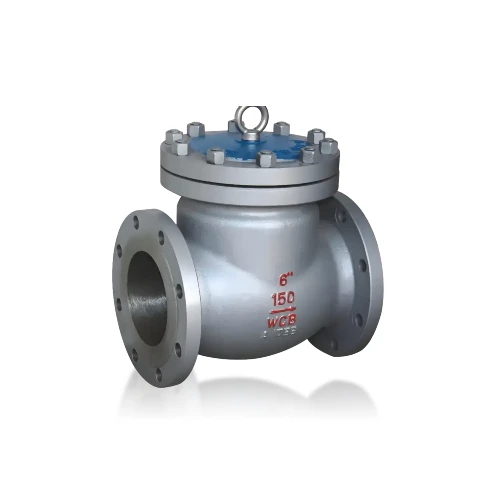
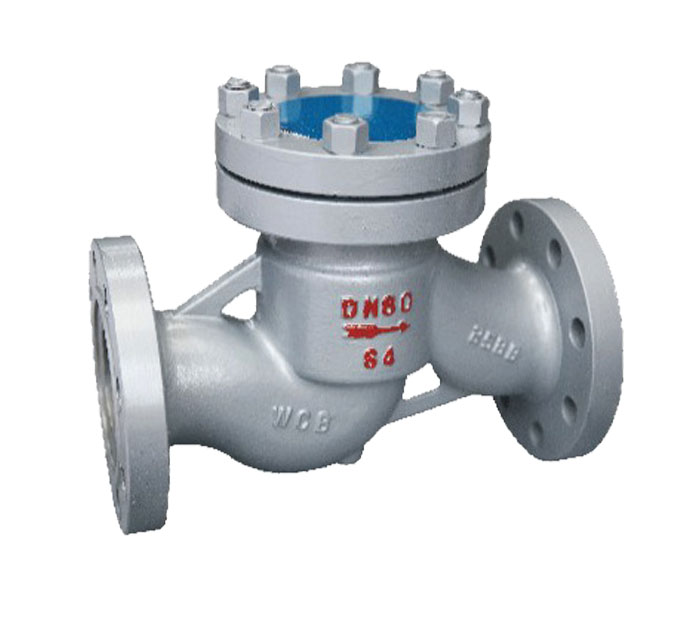
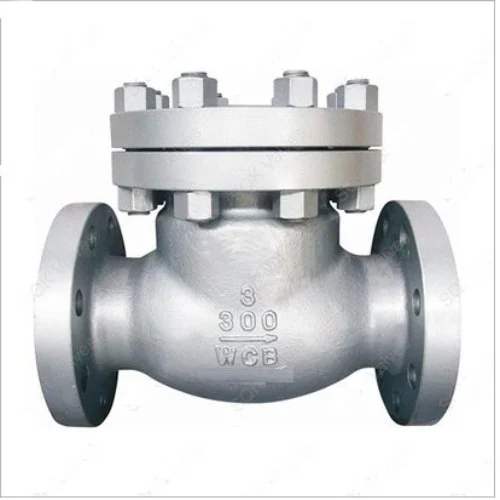
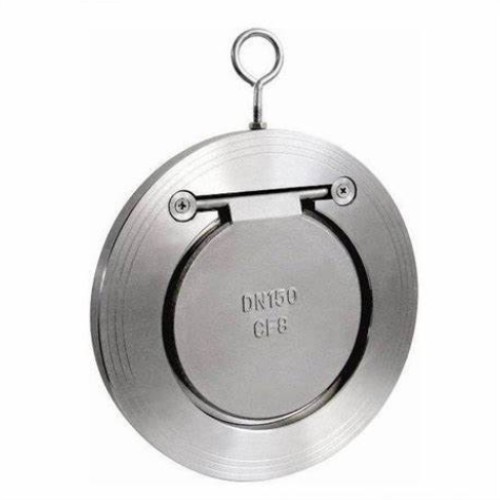
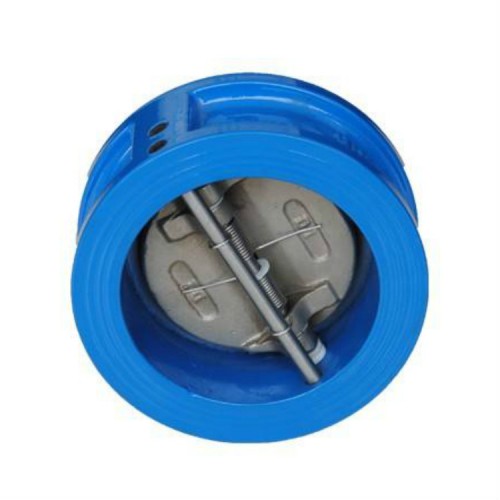
Check valves, also known as non-return valves, are designed to allow fluid to flow in one direction while preventing reverse flow. They are commonly used to maintain the flow of fluid in a single direction and to prevent backflow, which can cause damage or contamination in a system. Check valves can be classified based on their design and application:
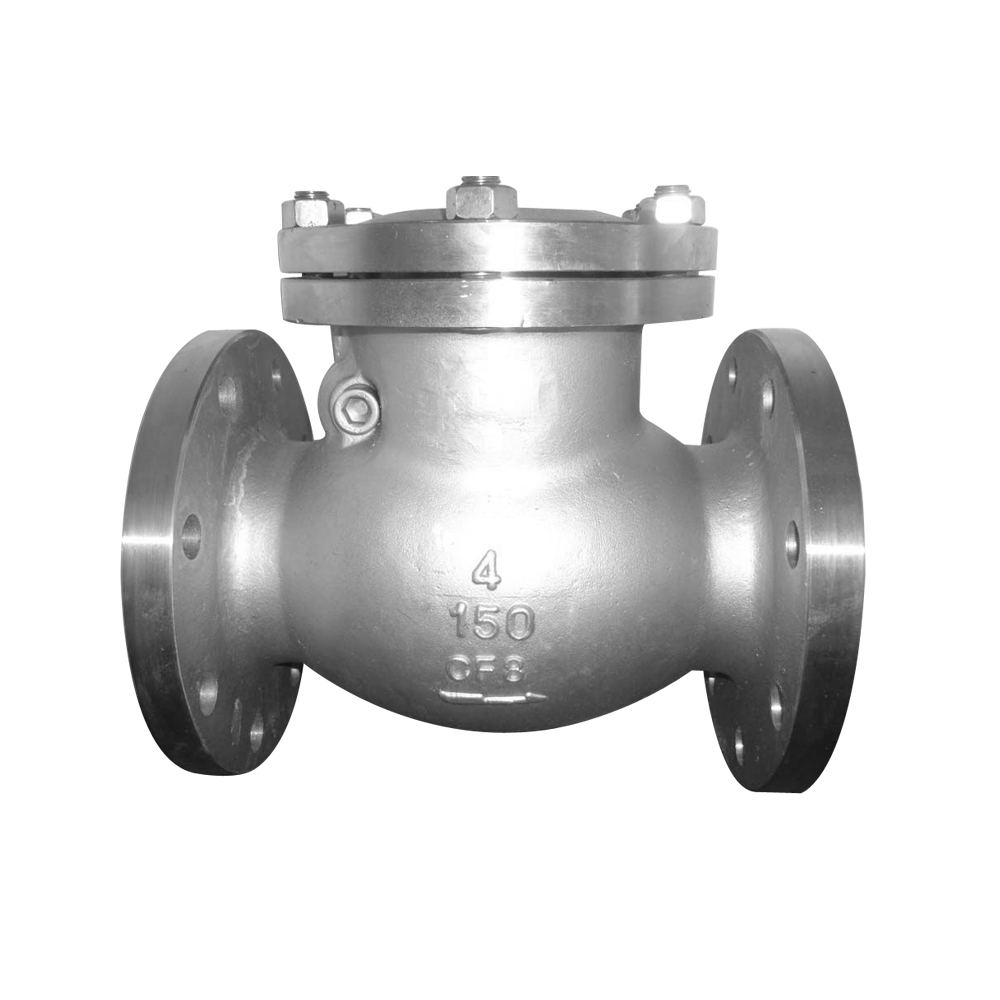
1. Swing Check Valve: This type of check valve uses a hinged disc to block reverse flow. When the forward flow stops, the disc swings into a closed position to prevent backflow. Swing check valves are suitable for applications with moderate flow rates and are commonly used in water and wastewater systems.
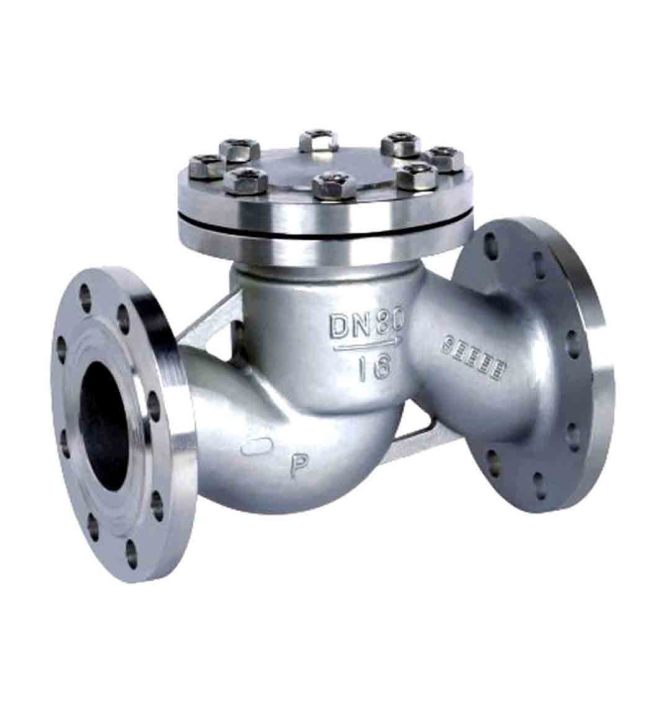
2. Lift Check Valve: Lift check valves use a guided disc that moves up and down to control the flow. When the forward flow stops, the disc is lifted to allow flow, and when the flow reverses, the disc is forced back onto the seat to prevent backflow. Lift check valves are often used in high-pressure and high-temperature applications.
Check valves are essential components in various industries, including oil and gas, chemical processing, water treatment, and HVAC systems, where maintaining flow direction and preventing backflow are critical for system performance and safety.
When Should I Use A Check Valve?
A check valve should be used in applications where backflow prevention is essential. This includes situations where the reversal of flow could cause damage to equipment, contamination of the system, or safety hazards. Check valves are commonly employed in various systems such as water and wastewater treatment, pumping systems, HVAC systems, and industrial processes where maintaining flow direction and preventing backflow are critical. Additionally, check valves are often used in combination with pumps to prevent the backflow of fluid when the pump is not in operation. In summary, check valves are utilized in scenarios where ensuring unidirectional flow and preventing reverse flow are vital for the efficient and safe operation of the system.












































































