


 ئۇيغۇر
 African
 ئالبانىيە
 Amharic
 ئەرەبچە
 ئەرمىنىيە
 ئەزەربەيجان
 Basque
 بېلورۇسىيە
 Bengali
 Bosnian
 بۇلغارىيە
 Catalan
 Cebuano
 كورسىكان
 كىرودىيە
 چېخ
چېخ
 Danish
 گوللاندىيە
 ئىنگىلىزچە
 Esperanto
 ئېستونىيە
 فىنلاندىيە
 فىرانسۇزچە
 Frisian
 Galician
 گرۇزىيە
 German
 گرېتسىيە
 Gujarati
 ھايتى كرېئول
 hausa
hausa
 hawaiian
 ئىبرانىي تىلى
 ياق
ياق
 Miao
Miao
 ۋېنگرىيە
 ئىسلاندىيە
 igbo
igbo
 ھىندونېزىيە
 irish
irish
 Italian
 ياپون
ياپون
 Javanese
 Kannada
 kazakh
 Khmer
Khmer
 رىۋاندا
 كورېيە
 كۇرد
كۇرد
 قىرغىزىستان
 TB
TB
 لاتىنچە
 Latvian
 لىتۋانىيە
 لىيۇكسېمبۇرگ
 ماكېدونىيە
 Malgashi
 مالايسىيا
 Malayalam
 Maltese
 Maori
Maori
 Marathi
 موڭغۇل
 بېرما
بېرما
 نېپال
نېپال
 نورۋېگچە
 نورۋېگچە
 Occitan
 پۇشتۇ
پۇشتۇ
 پارسچە
 پولشا
پولشا
 پورتۇگال تىلى
 Punjabi
 Romanian
 رۇسچە
رۇسچە
 Samoan
 شوتلاندىيە گال تىلى
 سېربىيە
 ئىنگىلىزچە
 Shona
Shona
 سىندى
سىندى
 Sinhala
 سلوۋاكىيە
 سىلوۋېنىيە
 سومالى
 ئىسپانچە
 Sundanese
 Swahili
 شىۋىتسىيە
 Tagalog
 تاجىك
تاجىك
 تامىل
تامىل
 تاتار
تاتار
 Telugu
 تايلاند
 تۈرك
تۈرك
 تۈركمەنلەر
 ئۇكرائىنا
 ئوردۇچە
 ئۆزبېك
 ۋېيتنام
 Welsh
Welsh
 ياردەم
 Yiddish
 يورۇبا
 Zulu
Zulu


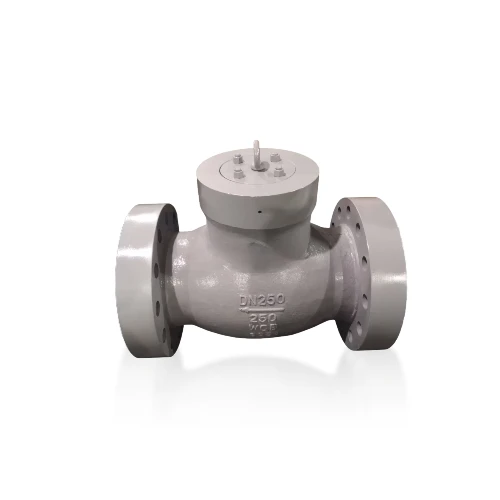
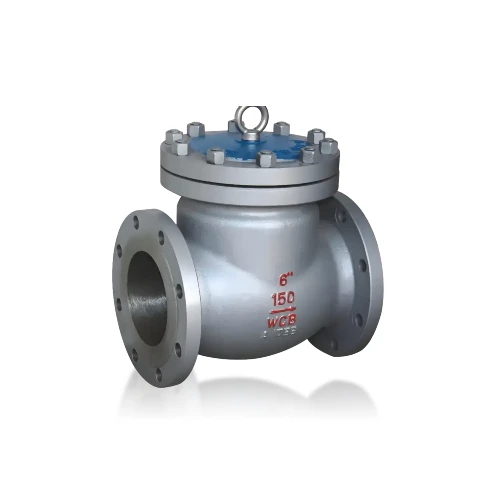
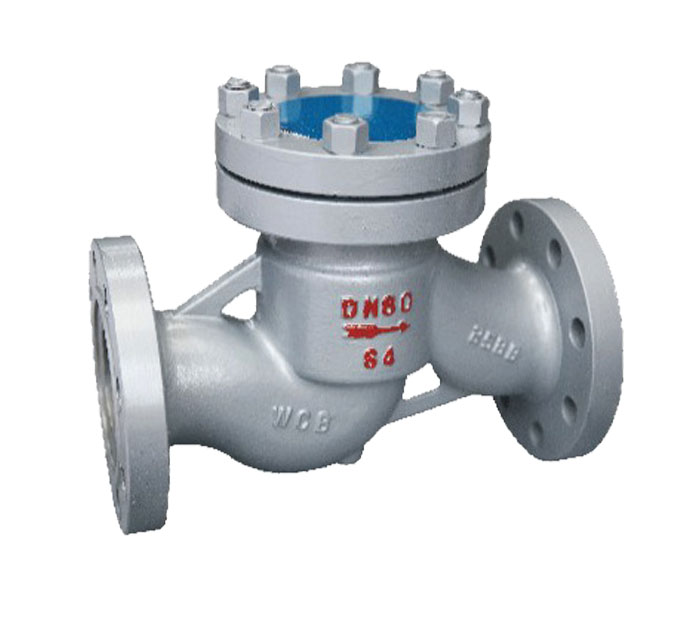
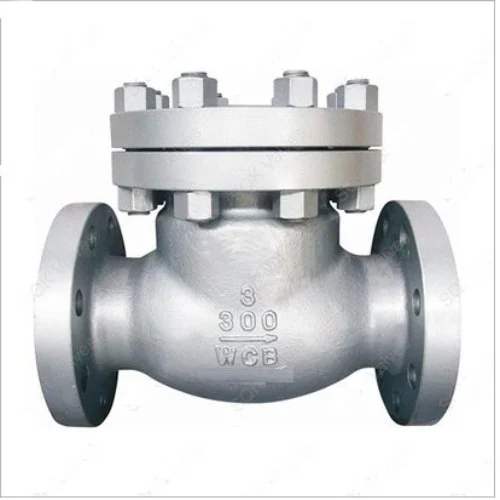
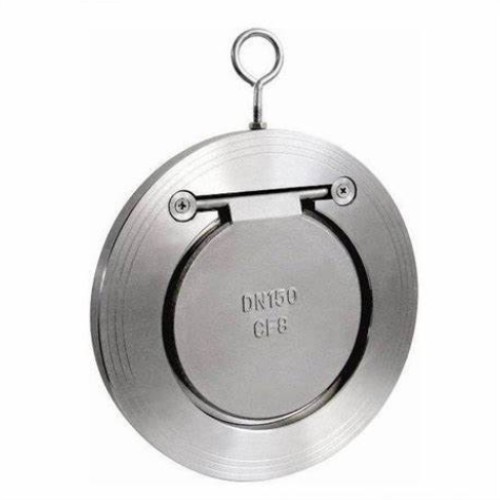
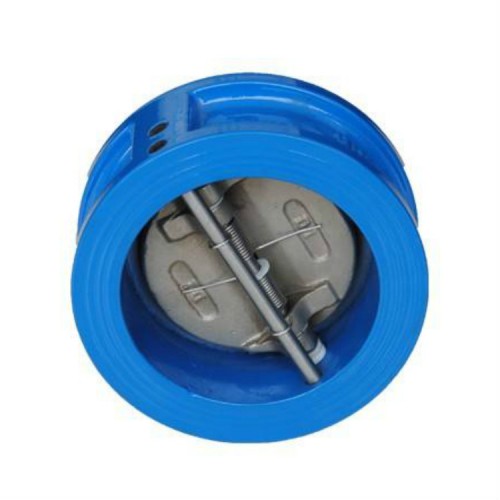
Check valves, also known as non-return valves, are designed to allow fluid to flow in one direction while preventing reverse flow. They are commonly used to maintain the flow of fluid in a single direction and to prevent backflow, which can cause damage or contamination in a system. Check valves can be classified based on their design and application:
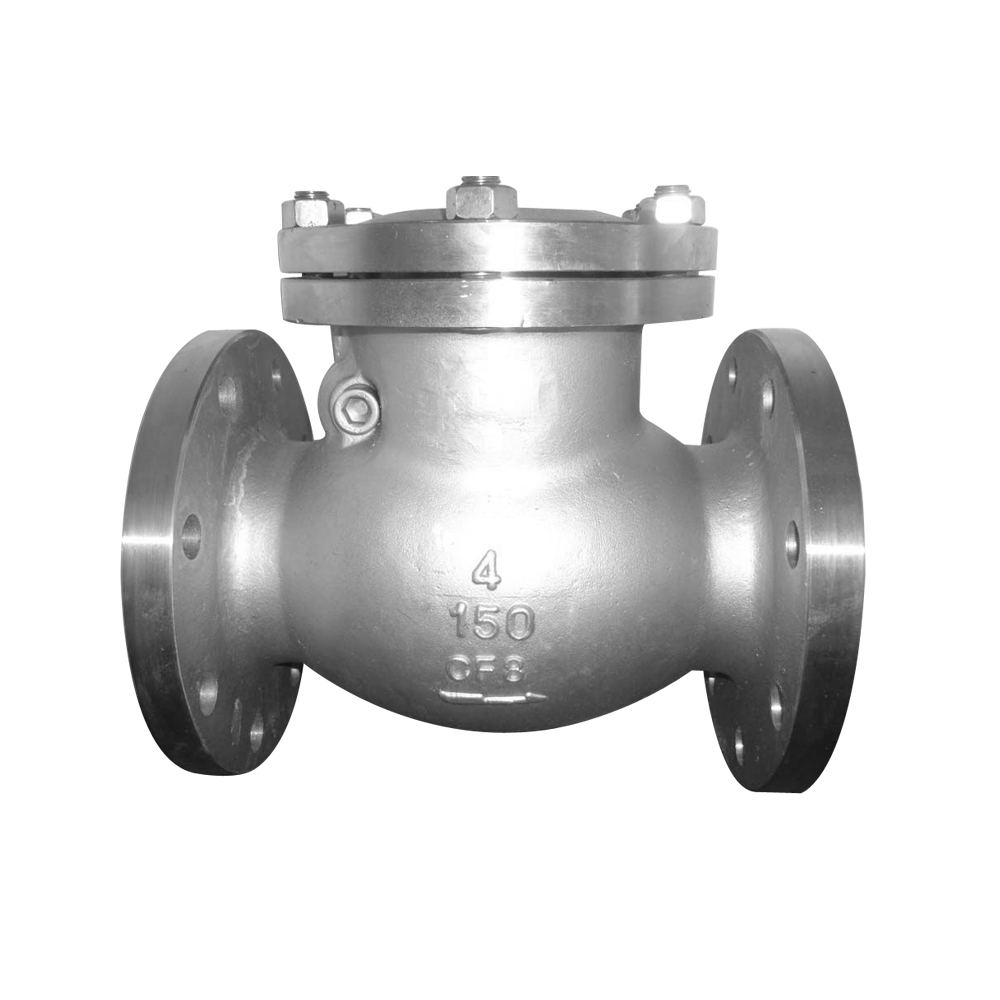
1. Swing Check Valve: This type of check valve uses a hinged disc to block reverse flow. When the forward flow stops, the disc swings into a closed position to prevent backflow. Swing check valves are suitable for applications with moderate flow rates and are commonly used in water and wastewater systems.
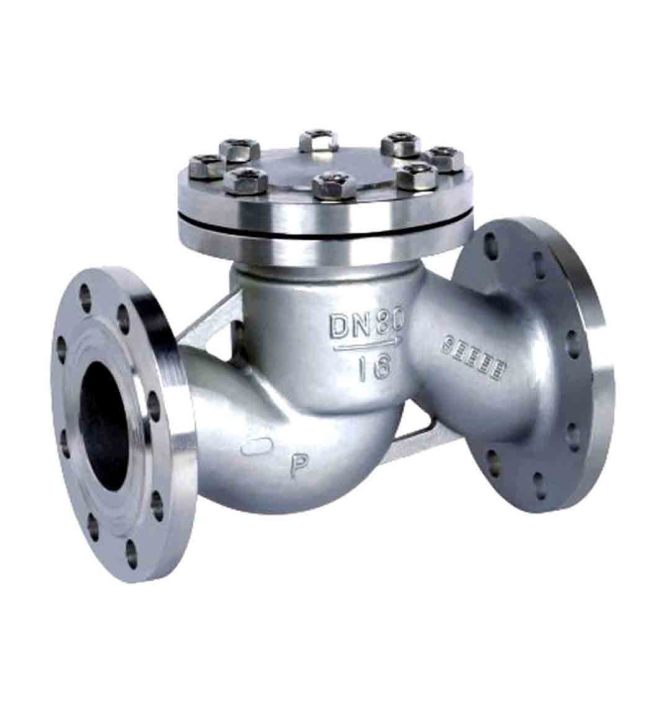
2. Lift Check Valve: Lift check valves use a guided disc that moves up and down to control the flow. When the forward flow stops, the disc is lifted to allow flow, and when the flow reverses, the disc is forced back onto the seat to prevent backflow. Lift check valves are often used in high-pressure and high-temperature applications.
Check valves are essential components in various industries, including oil and gas, chemical processing, water treatment, and HVAC systems, where maintaining flow direction and preventing backflow are critical for system performance and safety.
When Should I Use A Check Valve?
A check valve should be used in applications where backflow prevention is essential. This includes situations where the reversal of flow could cause damage to equipment, contamination of the system, or safety hazards. Check valves are commonly employed in various systems such as water and wastewater treatment, pumping systems, HVAC systems, and industrial processes where maintaining flow direction and preventing backflow are critical. Additionally, check valves are often used in combination with pumps to prevent the backflow of fluid when the pump is not in operation. In summary, check valves are utilized in scenarios where ensuring unidirectional flow and preventing reverse flow are vital for the efficient and safe operation of the system.












































































