


 latviski
 Āfrikas
 albānis
 amharu
 arābu
arābu
 armēņu
 Azerbaidžāņu
 basku
basku
 baltkrievu
 bengāļu
 bosniešu
 bulgāru valoda
 katalāņu
 Cebuano
 Korsikānis
 horvātu
 čehu
čehu
 dāņu
dāņu
 holandiešu valoda
 Angļu
Angļu
 Esperanto
 igauņu
 somu
somu
 franču valoda
 frīzu valoda
 Galisiešu
 gruzīnu
 vācu
vācu
 grieķu valoda
 gudžaratu
 Haiti kreols
 hausa
hausa
 havajietis
 ivrits
 Nē
Nē
 Miao
Miao
 ungāru
 islandiešu
 igbo
igbo
 Indonēziešu
 īru
īru
 itāļu valoda
 japāņi
 javiešu
 kannada
 kazahu
 khmeru
 Ruandā
 korejiešu
 kurdu
kurdu
 Kirgizstānas
 TB
TB
 latīņu valoda
 lietuviešu
 luksemburgiešu
 maķedonietis
 Malgaši
 malajiešu
 malajalu
 maltiešu
 maori
maori
 maratu
 mongoļu valoda
 Mjanma
 Nepāliešu
 norvēģu
 norvēģu
 oksitāņu
 puštu
puštu
 persiešu
 poļu
poļu
 portugāļu
 pandžabu
 rumāņu
 krievu valoda
 Samoa
Samoa
 skotu gēlu valoda
 serbu
serbu
 Angļu
Angļu
 Šona
Šona
 Sindhi
 singalu valoda
 slovāku
 slovēņu
 somāliešu
 spāņu valoda
 sundāņu
 svahili
 zviedru
 tagalogs
 tadžiks
 tamilu
 tatārs
 telugu
 taju
taju
 Turku
Turku
 Turkmēņu
 ukraiņu
 urdu
urdu
 Uiguru
 uzbeku
 vjetnamietis
 velsiešu
 Palīdzība
 jidiša
 Joruba
 zulu
zulu


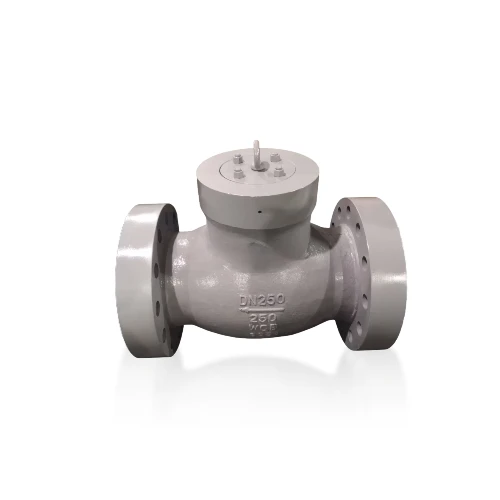
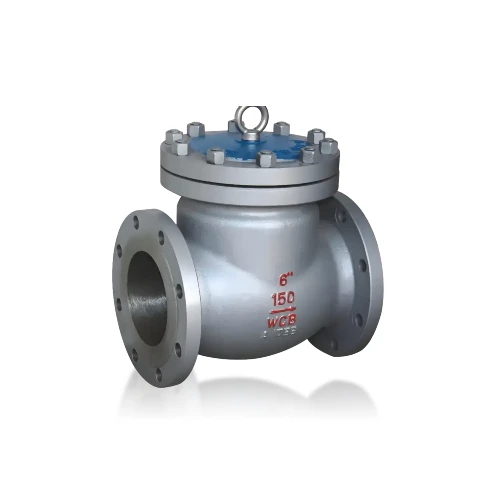
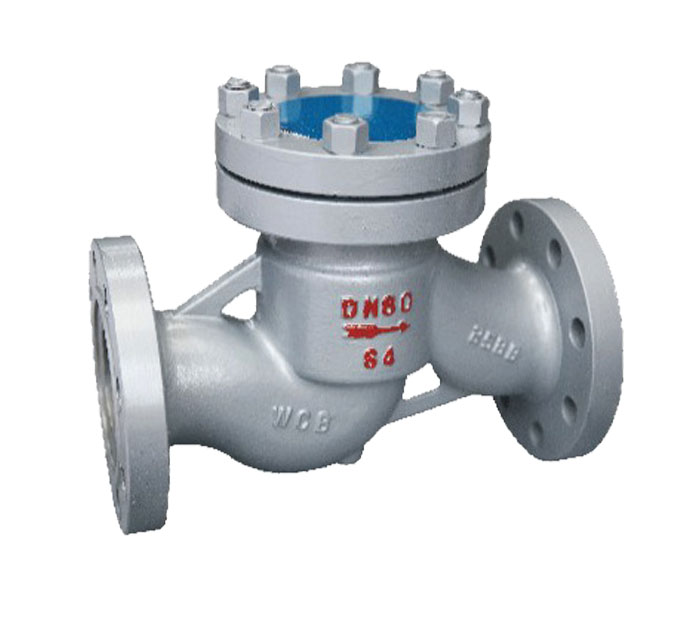
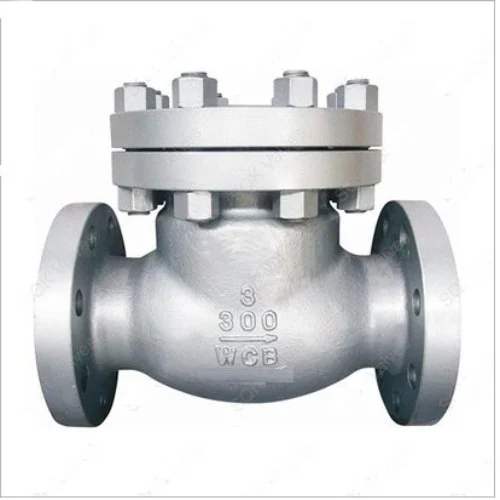
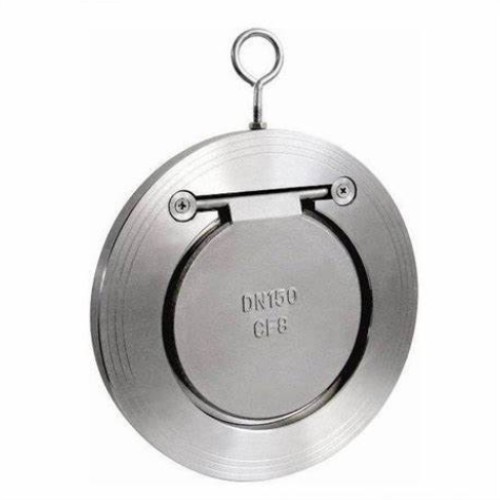
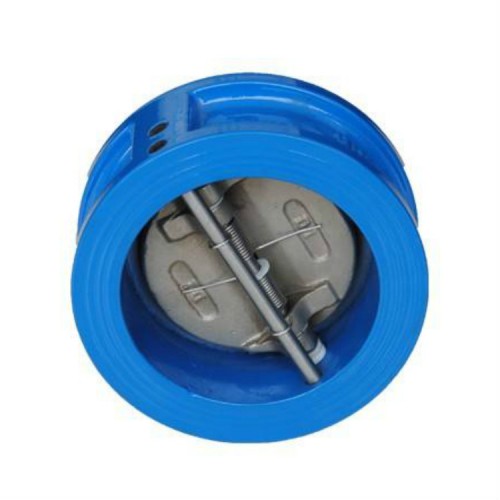
Check valves, also known as non-return valves, are designed to allow fluid to flow in one direction while preventing reverse flow. They are commonly used to maintain the flow of fluid in a single direction and to prevent backflow, which can cause damage or contamination in a system. Check valves can be classified based on their design and application:
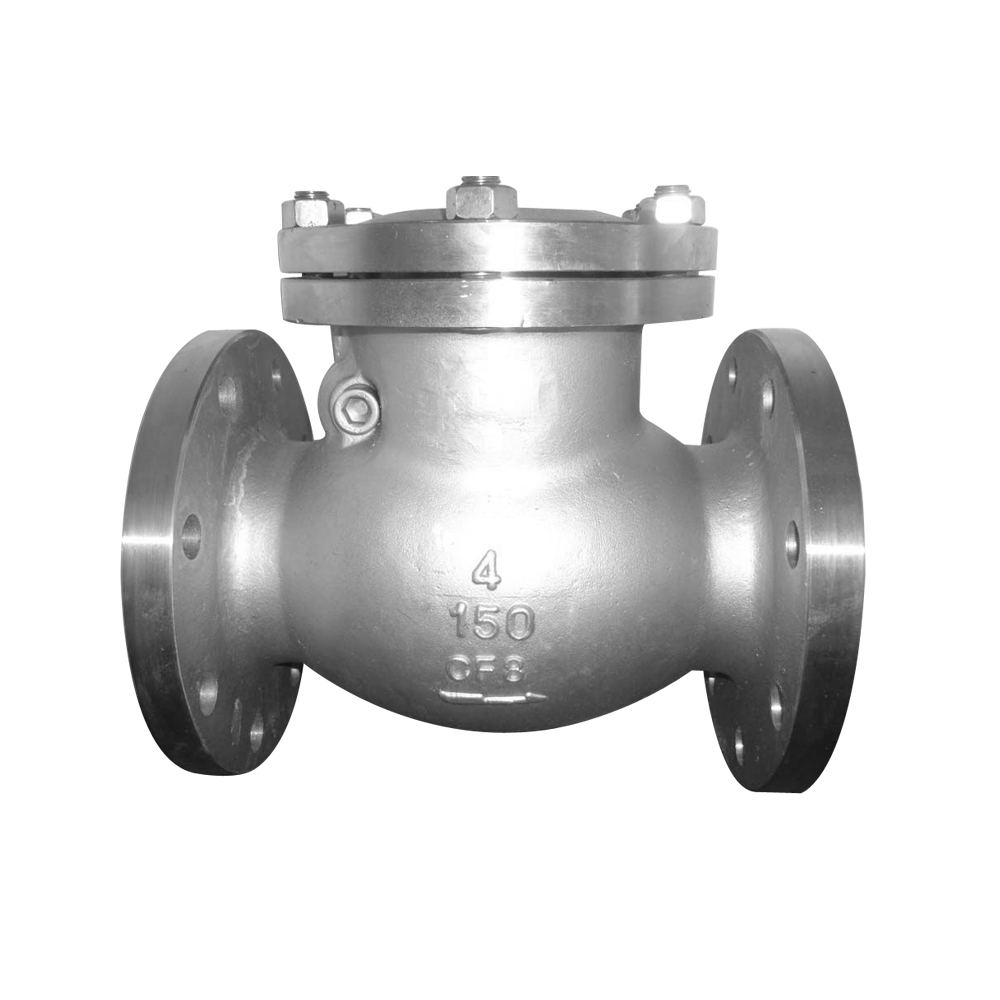
1. Swing Check Valve: This type of check valve uses a hinged disc to block reverse flow. When the forward flow stops, the disc swings into a closed position to prevent backflow. Swing check valves are suitable for applications with moderate flow rates and are commonly used in water and wastewater systems.
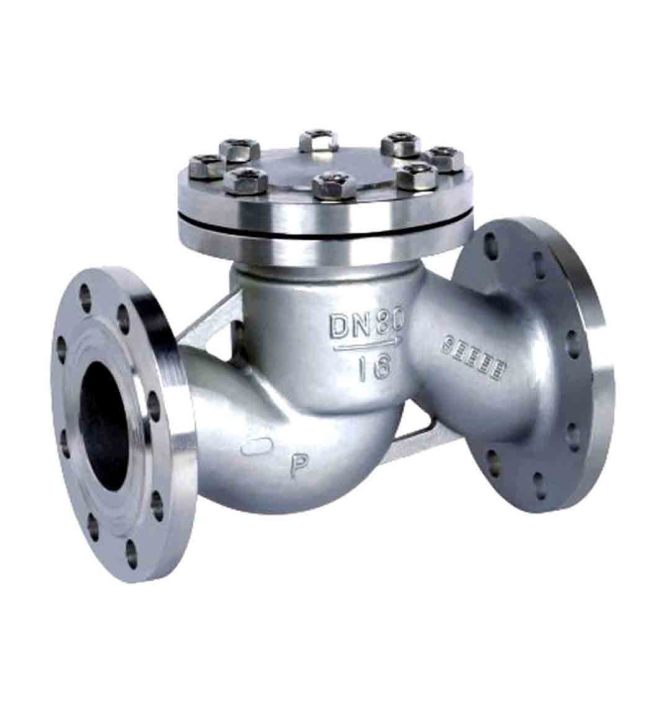
2. Lift Check Valve: Lift check valves use a guided disc that moves up and down to control the flow. When the forward flow stops, the disc is lifted to allow flow, and when the flow reverses, the disc is forced back onto the seat to prevent backflow. Lift check valves are often used in high-pressure and high-temperature applications.
Check valves are essential components in various industries, including oil and gas, chemical processing, water treatment, and HVAC systems, where maintaining flow direction and preventing backflow are critical for system performance and safety.
When Should I Use A Check Valve?
A check valve should be used in applications where backflow prevention is essential. This includes situations where the reversal of flow could cause damage to equipment, contamination of the system, or safety hazards. Check valves are commonly employed in various systems such as water and wastewater treatment, pumping systems, HVAC systems, and industrial processes where maintaining flow direction and preventing backflow are critical. Additionally, check valves are often used in combination with pumps to prevent the backflow of fluid when the pump is not in operation. In summary, check valves are utilized in scenarios where ensuring unidirectional flow and preventing reverse flow are vital for the efficient and safe operation of the system.












































































